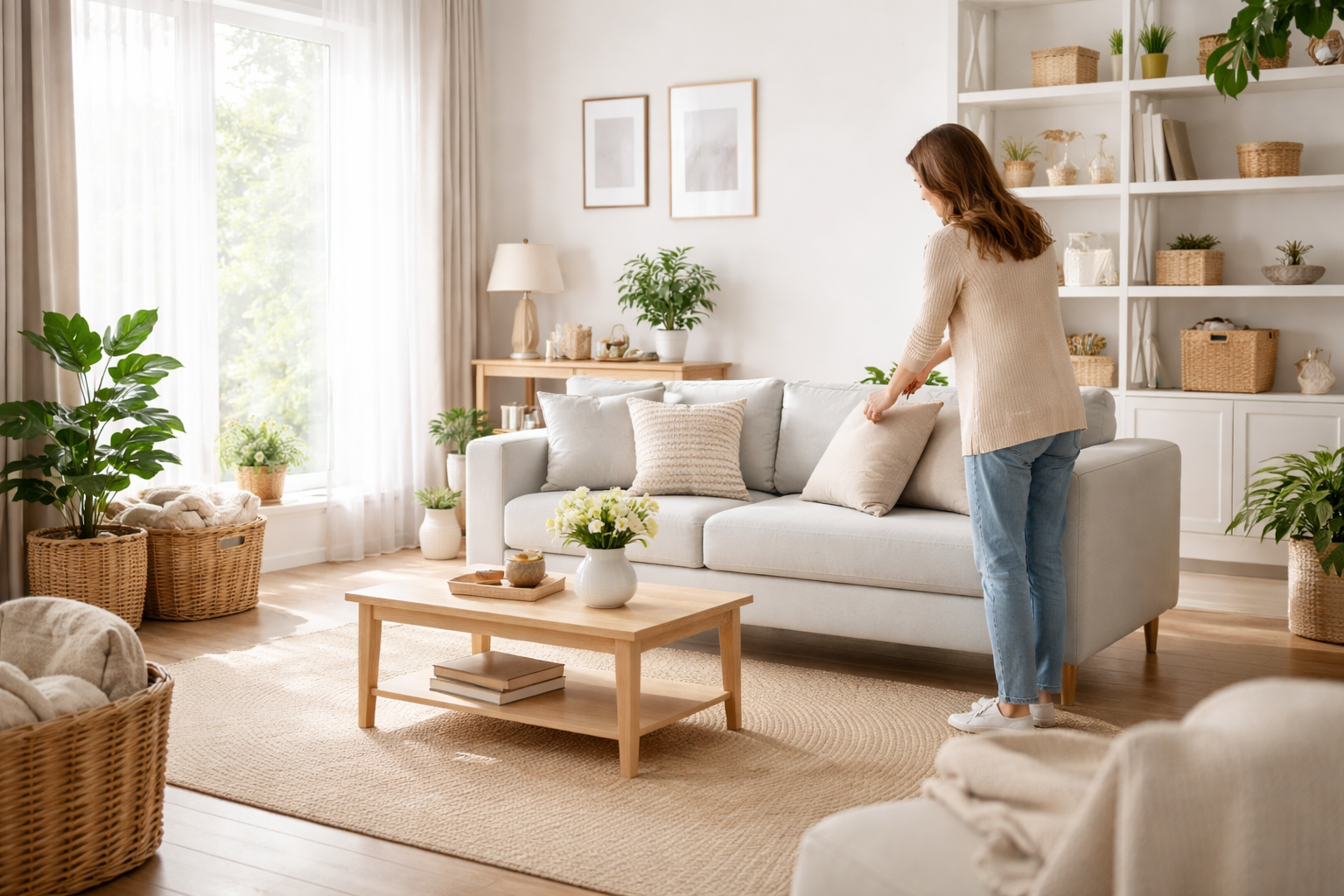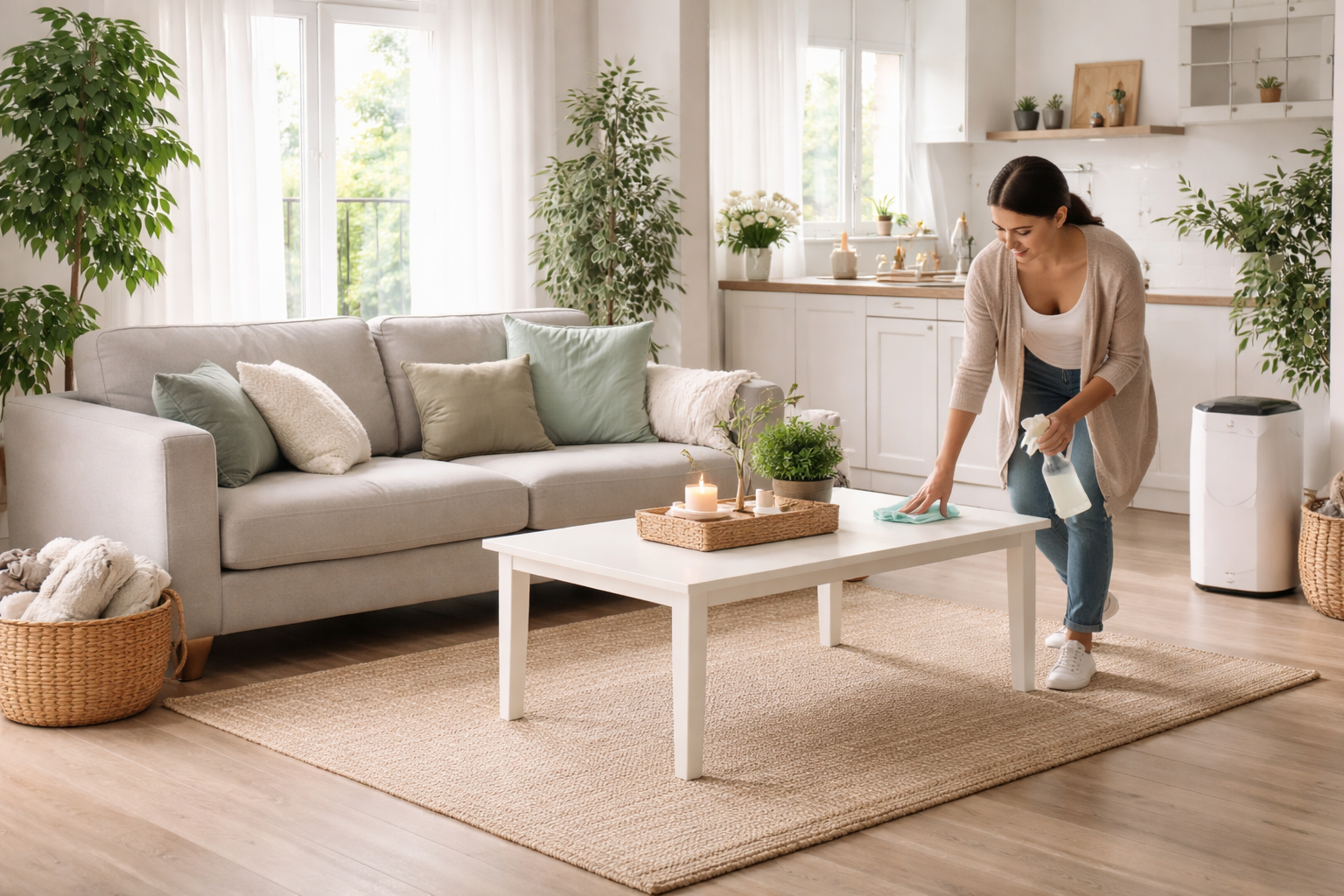

You don’t have to spend a fortune to transform your living space into a sanctuary of style and comfort. With a judicious blend of creativity, resourcefulness, and a touch of DIY magic, you can elevate your home’s aesthetic without emptying your wallet. The beauty of DIY home decor lies in its personal touch, allowing you to imbue every corner with your unique personality and flair. It’s about seeing potential in the ordinary, repurposing forgotten items, and crafting a home that truly reflects who you are.
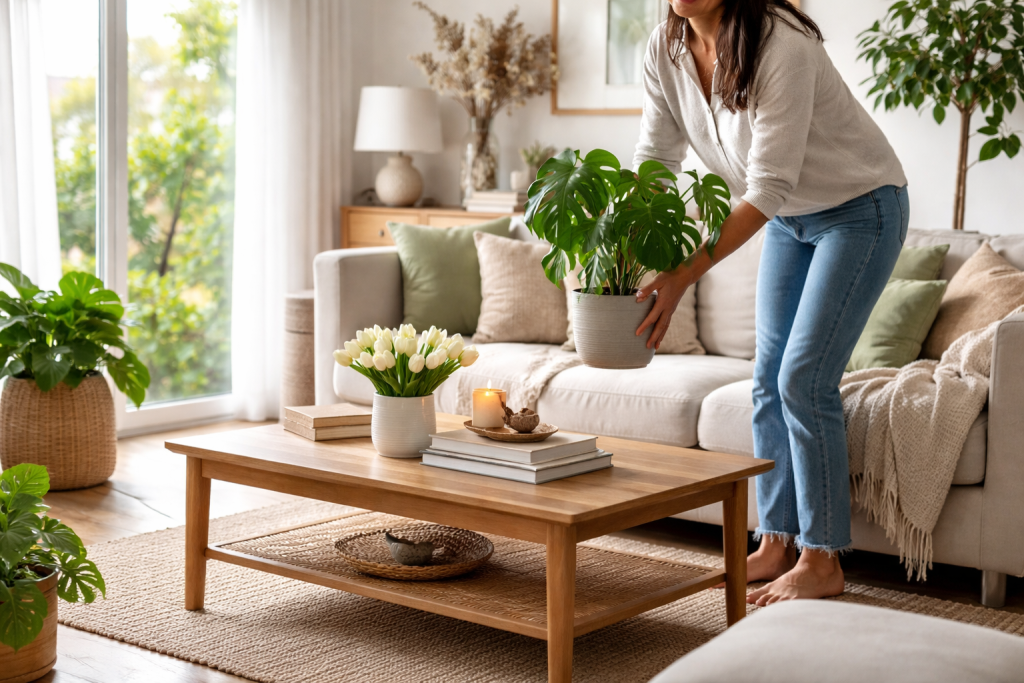
One of the most satisfying aspects of DIY home decor is the process of upcycling. Instead of discarding old or worn-out furniture, consider giving it a new lease on life. This saves you money and contributes to a more sustainable lifestyle by reducing waste. You have endless possibilities to transform forgotten pieces into cherished design elements.
Contents
- 1 From Drab to Fab: Furniture Makeovers
- 2 Repurposing Everyday Objects with Ingenuity
- 3 Planning Your Visual Symphony
- 4 Beyond Photos: Incorporating Diverse Elements
- 5 Crafting Your Own Bespoke Pillows
- 6 Beyond Basic: Embellishing for Extra Flair
- 7 Choosing Your Bold Hue
- 8 Beyond Paint: Exploring Textural Accents
- 9 Curating Your Indoor Oasis
- 10 Creative Displays for Botanical Wonders
- 11 Repurposing and Reinventing for Unique Luminaries
- 12 Crafting Custom Lampshades and Shades
- 13 Exploring Accessible Artistic Techniques
- 14 Beyond the Canvas: Artistic Touches Throughout Your Home
- 15 The Essentials of an Inviting Retreat
- 16 Infusing Personal Touches and Tranquility
- 17 Quick Transformations with Creative Applications
- 18 Beyond Walls: Creative Washi Tape Embellishments
- 19 Sewing Your Way to Stylish Windows
- 20 No-Sew Innovations for Dressed-Up Windows
From Drab to Fab: Furniture Makeovers
Imagine an old, chipped wooden dresser gathering dust in your garage. With a little sanding, a fresh coat of paint – perhaps in a vibrant jewel tone or a calming pastel – and some new hardware, it can become a stunning focal point in your bedroom or entryway. An outdated coffee table can be revived with a mosaic tile top or given a distressed finish for a farmhouse-chic vibe. Even a wobbly, antique chair can be transformed into a stylish accent piece with a fresh lick of paint and new upholstery. Don’t be afraid to experiment with different textures and colours. A geometric pattern on a chest of drawers or metallic spray paint on a metal shelf can add a contemporary edge to an otherwise traditional item. The key is to see beyond the current state and envision the potential.
Repurposing Everyday Objects with Ingenuity
Upcycling extends beyond furniture. Think about those unexpected items you might otherwise throw away. Glass jars can be cleaned and decorated, and they can be used as elegant vases, candle holders, or organisers for small household items. Old wooden crates can be stacked to create rustic shelving units or transformed into pet beds with a comfy cushion. Even vintage suitcases can become unique end tables or storage boxes with a bit of cleaning and a fresh lining. Recognising the inherent utility and beauty in often overlooked objects is the key to creativity.
A gallery wall is a powerful tool for personal expression within your home. It’s more than just hanging pictures; it’s a curated collection of memories, art, and inspiration that tells your unique story. A well-executed gallery wall can add depth, interest, and a significant dose of personality to any room, transforming a blank expanse of wall into a dynamic visual narrative.
Planning Your Visual Symphony
Plan your gallery wall thoroughly before making any final decisions. Consider the overall aesthetic you want to achieve. Do you prefer a cohesive look with matching frames and a consistent colour palette or a more eclectic, bohemian feel with a mix of frame styles, sizes, and art forms? Lay out your chosen pieces on the floor to experiment with different arrangements. This allows you to visualise the layout and make adjustments before adding holes in your wall. Consider incorporating a mix of photographs, prints, illustrations, and even small three-dimensional objects like decorative plates or mirrors to add visual interest.
Beyond Photos: Incorporating Diverse Elements
While photographs are a popular choice for gallery walls, expand your horizons to include a wider array of elements. Children’s artwork, postcards from your travels, pressed flowers, small woven tapestries, or even beautifully framed quotes can all contribute to a rich and engaging display. The beauty of a gallery wall is its flexibility; it can evolve with you, allowing you to add new pieces as your tastes and experiences grow. Don’t hesitate to combine different sizes, shapes, and textures to create a truly unique and captivating arrangement.
Throw pillows might seem like a small detail, but they hold immense power to transform the entire feel of a room. They add layers of comfort, introduce contrasting textures, and inject pops of color— all while being incredibly easy and affordable to make yourself.
Crafting Your Own Bespoke Pillows
Sewing your own throw pillows allows for complete customisation. You can choose fabrics that perfectly complement your existing decor or introduce new patterns and textures to shake things up. Whether you opt for luxurious velvet, cosy knits, playful prints, or sophisticated geometric designs, the choice is entirely yours. Consider experimenting with different shapes and sizes to add visual interest – oblong pillows, round cushions, or even bolstered pillows can break up the monotony of standard squares. Don’t feel limited to traditional sewing; no-sew options, like using fabric glue or iron-on tape, can make this project accessible to everyone.
Beyond Basic: Embellishing for Extra Flair
Once you sew your basic pillow, consider adding embellishments to elevate it to a higher level. Tassels, pom-poms, fringe, contrasting piping, or even simple embroidery can elevate a plain pillow into a designer-worthy piece. You can also explore fabric painting or stencilling to add unique patterns and designs. Your throw pillows will be truly unique and perfectly suited to your style, thanks to the freedom to personalise every detail.
An accent wall is a design strategy that involves painting one wall in a room a different colour or applying a distinct finish to it to create a striking focal point. This simple yet effective technique can dramatically alter the mood and perception of a space, adding depth, personality, and a touch of sophistication.
Choosing Your Bold Hue
The most common way to create accent walls is through colour. When choosing your accent colour, consider the existing palette of the room and the overall feeling you wish to evoke. A deep, rich jewellery tone can create a sense of drama and luxury, while a vibrant, cheerful colour can infuse the room with energy and playfulness. For a more subtle approach, opt for a darker or lighter shade of the predominant colour in the room. Don’t be afraid to experiment with bold choices; a well-chosen accent colour can elevate an otherwise unassuming space to something truly special.
Beyond Paint: Exploring Textural Accents
While paint is the most popular choice, accent walls can also be created using a variety of other materials. Wallpaper, especially those with interesting patterns or textures, can add significant visual impact. Consider shiplap for a farmhouse aesthetic, reclaimed wood panels for a rustic feel, or even strategically placed fabric for a soft and inviting look. The goal is to create a wall that commands attention and adds an unexpected layer of design to the room.
Introducing indoor plants and greenery into your home is a simple yet incredibly effective way to enhance its aesthetic appeal and create a more inviting atmosphere. Beyond their visual charm, plants offer a myriad of benefits, from purifying the air to boosting mood and reducing stress.
Curating Your Indoor Oasis
The key to successfully incorporating plants is to choose varieties that thrive indoors and suit your lifestyle. Low-maintenance options like snake plants, ZZ plants, and Pothos are excellent for beginners, while more experienced plant parents might enjoy the challenge of a Fiddle Leaf Fig or a Calathea. Consider the lighting conditions of your home when selecting plants; some prefer bright, indirect light, while others tolerate lower light levels. Don’t just think about individual plants; consider creating small groupings of varying heights and textures to create a lush, mini indoor jungle.
Creative Displays for Botanical Wonders
The way you display your plants can significantly impact their overall aesthetic. Beyond traditional pots, consider hanging planters to free up floor space and add vertical interest. Macrame plant hangers can infuse a bohemian vibe, while sleek ceramic pots can complement a modern aesthetic. Grouping plants on a tiered plant stand or a windowsill can create a visually appealing display. Even incorporating plants into unexpected places, like a small succulent on a bookshelf or a trailing vine spilling from a high shelf, can add an element of natural charm to your living space.
Lighting plays a crucial role in setting the mood and functionality of a room. Designer fixtures can be expensive, but creating your own DIY lighting solutions allows for unique customisation and significant cost savings. From ambient glows to task lighting, the possibilities for crafting personalised illumination are vast.
Repurposing and Reinventing for Unique Luminaries
Look around your home for objects that can be repurposed into lighting fixtures. An old wine bottle can be transformed into a charming table lamp with a simple lamp kit and a shade. Mason jars, with their rustic appeal, can be fashioned into whimsical pendant lights or fairy light holders. Even a drum shade from an old lamp can be given a new lease on life with fabric paint, stencilling, or by attaching decorative elements like beads or feathers. The key is to think outside the box and envision how everyday items can be reimagined as sources of light.
Crafting Custom Lampshades and Shades
If building an entire fixture seems daunting, start by personalising lampshades. A plain lampshade can be elevated with fabric glue and a beautiful printed fabric or by wrapping it in twine or yarn for a textured look. Cut-out designs, punched carefully into a lampshade, can create intricate patterns of light and shadow. You can also create entirely new lampshades from scratch using wire frames and various materials like paper, fabric, or even thin wood veneer. The beauty of DIY lighting is that it allows you to create pieces that perfectly complement your decor and truly reflect your individual style.
Mass-produced art can feel impersonal. Creating your own art, however, injects your home with a unique soul and character that is impossible to replicate. It doesn’t require advanced artistic skills; rather, it’s about embracing your creativity and expressing yourself through various mediums.
Exploring Accessible Artistic Techniques
The idea of creating art should not intimidate you. Simple techniques can yield stunning results. Consider abstract painting using acrylics on a canvas – play with colours, textures, and brushstrokes without the pressure of perfect representation. Stencilling can create intricate patterns on walls or canvases. Even collages, using magazine cut-outs, old photographs, or fabric scraps, can be incredibly evocative and personal. Explore mediums like watercolours, pastels, or even simple pen and ink drawings. The act of creating itself provides a therapeutic experience, and the final product will be a proud display of your heart within your home.
Beyond the Canvas: Artistic Touches Throughout Your Home
Art doesn’t have to be limited to framed pieces on a wall. Think about incorporating artistic touches throughout your home. Hand-painted ceramic bowls, decorated coaster sets, or even custom-designed fabric for throw pillows can all serve as small, personal artistic statements. A carefully chosen collection of found objects, arranged aesthetically on a shelf, can also be considered a form of art. The goal is to infuse your environment with your creative spirit, making your home a living canvas of your individuality.
Everyone deserves a dedicated space for relaxation and rejuvenation. A cosy reading nook is more than just a cluster of furniture; it’s an invitation to unwind, escape into a good book, or simply enjoy a moment of quiet contemplation. Creating this personal sanctuary is a gratifying DIY project that can significantly enhance your quality of life.
The Essentials of an Inviting Retreat
Start with a comfortable seating option – an armchair, a plush pouffe, or even a window seat adorned with cushions. Layer with soft throw blankets and pillows for ultimate cosiness. Good lighting is paramount; a floor lamp with a warm glow or a wall-mounted reading light will create the perfect ambiance. A small side table for your cup of tea or a book is a thoughtful addition. Consider incorporating a small bookcase or a stack of your favourite reads to complete the literary haven.
Infusing Personal Touches and Tranquility
To truly personalise your reading nook, add elements that bring joy and a sense of calm. A calming scented candle, a small indoor plant, or a piece of art that inspires you can elevate the space. Consider a soft rug underfoot for added warmth and texture. The goal is to create a space that feels like a warm embrace, a place where you can truly switch off and reconnect with yourself.
Sometimes, the simplest solutions yield the most impactful results. Washi tape, with its vibrant colours, diverse patterns, and easy-to-use nature, is a DIY decorator’s secret weapon for quick and affordable decor updates. It’s low commitment, easily removable, and incredibly versatile.
Quick Transformations with Creative Applications
Washi tape can instantly elevate a plain wall, frame, or piece of furniture. Create geometric patterns on a blank wall for a temporary accent. Frame posters or photographs with colourful washi tape for a playful touch. Outline shelves, mirrors, or even lighting switches to add subtle pops of colour and definition. The best part is that you can easily remove it and try something else if you don’t like it.
Beyond Walls: Creative Washi Tape Embellishments
Washi tape isn’t just for walls. Use it to decorate plain notebooks, personalise stationery, or add flair to gift packaging. Create custom placemats by adhering strips of washi tape to cardstock and laminating them. A few carefully placed strips of patterned tape can transform even plain vases or candle holders. It’s a fantastic tool for adding personality and charm to almost any object in your home.
Window treatments are more than just functional; they are crucial design elements that can dramatically impact the look and feel of a room. Creating your own custom curtains and window treatments allows you to control the fabric, length, and style, ensuring a perfect fit and a personalised aesthetic that complements your home.
Sewing Your Way to Stylish Windows
Sewing curtains might seem intimidating, but with basic sewing skills, it’s a manageable and rewarding project. Choose fabrics that align with your decor style – lightweight sheers for an airy feel, heavy velvet for a touch of luxury, or vibrant patterns for a playful statement. Consider adding lining to block out light or to provide insulation. Experiment with different header styles, such as rod pockets, tab tops, or pleats, to achieve the desired look. The beauty of DIY is that you can create curtains that are the exact length and width you need, avoiding ill-fitting ready-made options.
No-Sew Innovations for Dressed-Up Windows
If you’re not comfortable with sewing, there are numerous no-sew options available for creating custom window treatments. Fabric glue or iron-on adhesive can be used to hem and finish fabric panels. Drape fabric over a curtain rod and secure it with decorative ties or clips for a relaxed, bohemian look. Even simple tension rods and attractive fabric can create charming café curtains for less formal spaces. Layering different fabrics, incorporating decorative trims, or adding tie-backs can further enhance the visual appeal of your DIY window treatments, adding a refined touch to your living spaces.

About LifeViora
Welcome to LifeViora—your trusted guide to balanced living and everyday wellness.
At Life Viora, we believe that a healthy and fulfilling life is built on simple, consistent habits. Founded by Maya Ali, this platform shares practical tips and easy strategies to help you improve your daily life, stay healthy, and live with balance.