

The modern world bombards us with stimuli, leaving our minds racing and our bodies tense, making the prospect of a truly restful night’s sleep feel like an elusive dream. The constant hum of notifications, the endless scroll of social media, and the pressures of daily life can create a mental clutter that directly interferes with our ability to drift off. Yet, the importance of a good night’s sleep cannot be overstated; it is the foundation upon which our physical and mental well-being is built. This article explores a comprehensive approach to reclaiming your nights, offering practical strategies to unwind and unplug, leading to a more peaceful and rejuvenating slumber.
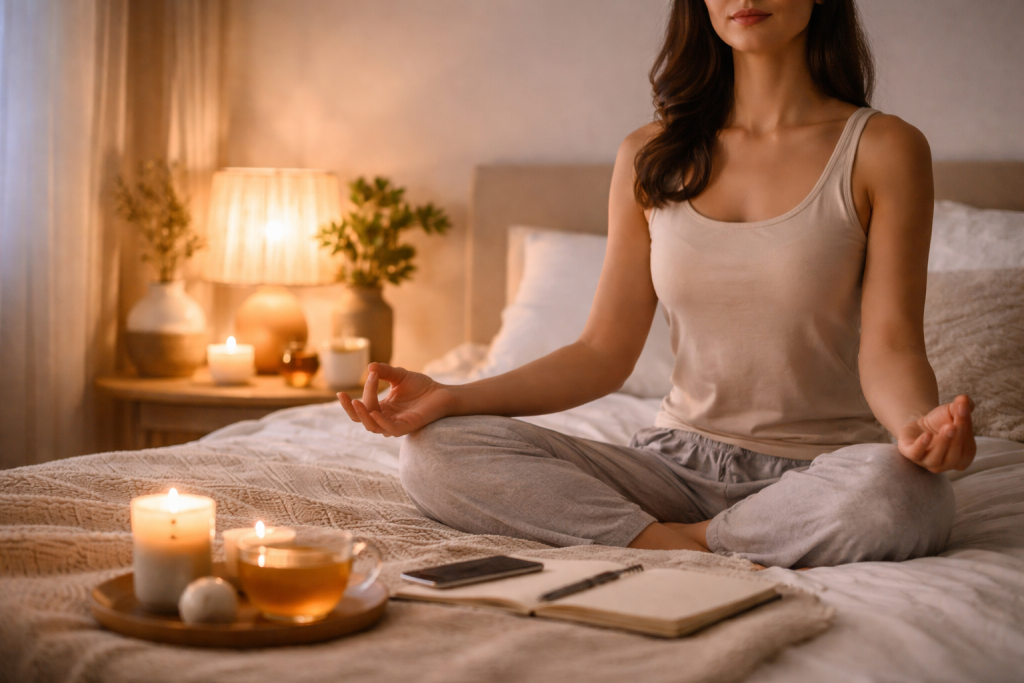
Creating a consistent and relaxing bedtime routine is paramount to signalling to your body and mind that it’s time to wind down. This deliberate transition away from the day’s demands helps to de-escalate the nervous system, paving the way for sleep. It’s not about rigidly adhering to a set of tasks, but rather about engaging in activities that promote tranquillity and prepare you for rest.
Contents
- 1 The Power of a Wind-Down Period
- 2 Sensory Delights for Relaxation
- 3 The Efficacy of Journaling
- 4 The Impact of Blue Light on Melatonin Production
- 5 Strategies for a Tech-Free Evening
- 6 Curating Your Digital Consumption
- 7 The Fundamentals of Mindful Awareness
- 8 Guided Meditations for Sleep
- 9 Body Scan Meditations for Deep Relaxation
- 10 The Calming Properties of Chamomile
- 11 The Sedative Effects of Valerian Root
- 12 Lavender’s Aromatic Influence
- 13 Other Beneficial Botanicals
- 14 Defining Your Workday’s End
- 15 Protecting Your Personal Time from Work Intrusion
- 16 The Importance of Digital Boundaries
- 17 The Psychological Impact of Clutter
- 18 Simplifying Your Bedroom Space
- 19 The Role of Scent and Sound in Your Sleep Environment
- 20 Diaphragmatic Breathing: The Foundation of Relaxation
- 21 Alternate Nostril Breathing (Nadi Shodhana)
- 22 The 4-7-8 Breathing Technique
- 23 The Link Between Exercise and Sleep Architecture
- 24 Timing is Everything: When to Exercise for Optimal Sleep
- 25 Moderate Activity for Pre-Sleep Calm
- 26 The Science of Gratitude
- 27 Gratitude Journaling for Sleep
- 28 Affirmations and Positive Self-Talk
- 29 Recognizing the Signs of a Sleep Disorder
- 30 The Role of a Sleep Specialist
- 31 The Benefits of Cognitive Behavioral Therapy for Insomnia (CBT-I)
The Power of a Wind-Down Period
The hour or so before bed should be dedicated to activities that soothe, rather than stimulate. This could involve dimming the lights, engaging in quiet hobbies, or simply enjoying a moment of peace. Avoid engaging in anything that requires intense cognitive effort or induces stress. The goal is to create a mental bridge between your active day and the stillness of sleep.
Sensory Delights for Relaxation
Consider incorporating elements that engage your senses in calming ways. Gentle music, the soft flicker of a candle (used safely, of course), or the aroma of lavender can all contribute to a more serene atmosphere. These elements act as cues, reinforcing the association between these sensations and the act of preparing for sleep.
The Efficacy of Journaling
For many, the act of writing down thoughts and concerns can be incredibly cathartic, releasing them from the constant loop in their minds. Dedicate a few minutes each evening to journaling; it can be a space to process the day’s events, articulate worries, or simply express gratitude. This act of externalising your inner landscape can significantly lighten your mental load before you even step into bed.
In our hyper-connected age, technology often acts as a relentless intruder into our sleep cycles. The blue light emitted from screens can suppress melatonin production, the hormone that regulates sleep. Beyond the physiological impact, the constant barrage of information and social interaction keeps our minds engaged and alert, making it difficult to switch off.
The Impact of Blue Light on Melatonin Production
The scientific consensus is clear: the blue light wavelengths from smartphones, tablets, and computers interfere with the body’s natural circadian rhythm. This disruption can lead to delayed sleep onset and reduced sleep quality. Therefore, actively minimising screen exposure in the hours leading up to bedtime is a crucial step towards better sleep.
Strategies for a Tech-Free Evening
Establishing “no-tech” zones or times in your home can be transformative. This might mean designating the bedroom as a technology-free sanctuary or committing to putting away all devices at least an hour before you intend to sleep. Instead of reaching for your phone, explore alternative activities that foster relaxation and mental quietude.
Curating Your Digital Consumption
When you do engage with technology, be mindful of what you are consuming. Avoid news cycles that induce anxiety or social media feeds that trigger comparisons or stress. Opt for calming content, if any, or prioritise activities that are genuinely decompressing. The key is to be intentional about your digital interactions, rather than passively allowing them to dictate your evening.
Mindfulness and meditation are powerful tools for quieting the incessant chatter of the mind. By focusing your attention on the present moment, you can gently detach from worries about the past or anxieties about the future, creating a calm internal environment conducive to sleep. These practices are not about emptying your mind but rather about observing your thoughts without judgement and allowing them to pass.
The Fundamentals of Mindful Awareness
Mindfulness involves paying attention to your breath, bodily sensations, or the sounds around you with an open and non-judgemental attitude. As thoughts arise, simply acknowledge them and then gently redirect your attention back to your chosen anchor. This practice cultivates a sense of presence and detachment from disruptive mental loops.
Guided Meditations for Sleep
There are numerous guided meditations specifically designed to promote sleep. These recordings often use soothing voices and imagery to lead you into a state of deep relaxation. You can find these readily available through various apps and online platforms. Experiment with different styles and instructors to find what resonates best with you.
Body Scan Meditations for Deep Relaxation
A body scan meditation involves systematically bringing your awareness to different parts of your body, noticing any sensations without trying to change them. This can help release physical tension that may be contributing to restlessness. By focusing on the physical, you can often quiet the mental noise.
For millennia, humanity has turned to the natural world for remedies that promote well-being, and sleep is no exception. Certain herbs possess properties that can calm the nervous system, reduce anxiety, and induce a sense of drowsiness, making them valuable allies in the pursuit of restful sleep.
The Calming Properties of Chamomile
Chamomile tea is perhaps the most well-known herbal remedy for sleep. Its natural apigenin content is thought to bind to specific receptors in the brain that decrease anxiety and initiate sleep. A warm mug of chamomile before bed can be a wonderfully comforting ritual.
The Sedative Effects of Valerian Root
Valerian root has been used for centuries as a natural sedative. It is believed to increase levels of gamma-aminobutyric acid (GABA) in the brain, a neurotransmitter that helps regulate nerve impulses and can have a calming effect. It’s often taken as a supplement or in tea form.
Lavender’s Aromatic Influence
The scent of lavender is widely recognised for its relaxing properties. Incorporating lavender essential oil into your bedtime routine, perhaps through a diffuser or a few drops on your pillow, can create a calming aroma that signals to your brain that it’s time to wind down.
Other Beneficial Botanicals
Beyond chamomile and valerian, other herbs like passionflower, lemon balm, and ashwagandha are also gaining recognition for their sleep-promoting benefits. Exploring these options and consulting with a healthcare professional or herbalist can help you find the most suitable natural remedies for your needs.
The blurring of lines between work and personal life in the digital age is a significant contributor to sleep disruption. When work encroaches upon our downtime, our minds remain in a perpetual state of alertness, making it challenging to switch off and embrace relaxation. Establishing clear boundaries is essential for mental well-being and, consequently, for better sleep.
Defining Your Workday’s End
It’s crucial to have a definitive end to your workday. This involves not just logging off from your computer but also mentally disengaging from work-related tasks and thoughts. Create a ritual to signify the closure of your professional responsibilities. This could be tidying your workspace, reflecting on accomplishments, or engaging in a brief transition activity.
Protecting Your Personal Time from Work Intrusion
This means learning to say no to non-essential work requests that arrive outside of work hours. It also involves communicating your availability and boundaries to colleagues and superiors. Protecting your personal time allows for genuine rest and rejuvenation, which is vital for sustained productivity and overall health.
The Importance of Digital Boundaries
Beyond setting specific times to disconnect, it’s also about being mindful of the constant connectivity technology affords. This could mean turning off work email notifications on your personal phone and refraining from checking work-related messages after a certain hour. These small but significant boundaries can make a substantial difference in your ability to truly unplug.
The environment in which we sleep has a profound impact on our ability to find rest. A cluttered and chaotic space can contribute to a sense of disquiet and stress, even if we are not consciously aware of it. Transforming your bedroom into a sanctuary of calm can significantly enhance your sleep quality.
The Psychological Impact of Clutter
Visual clutter can be mentally taxing. When your surroundings are disorganised, it can create a feeling of being overwhelmed and unable to relax. This mental residue can persist even as you try to fall asleep, keeping your mind engaged with unfinished tasks or the general chaos.
Simplifying Your Bedroom Space
Start by decluttering your bedroom itself. Remove unnecessary items, organise what remains, and ensure that your sleeping area is primarily dedicated to rest and relaxation. A minimalist approach can be incredibly beneficial, creating a sense of peace and order.
The Role of Scent and Sound in Your Sleep Environment
Beyond visual tidiness, consider other sensory elements. Ensure your room is dark and quiet, or utilise elements like blackout curtains and earplugs if necessary. The addition of calming scents, as mentioned earlier, can also contribute to a more tranquil atmosphere.
Breathing is a fundamental aspect of our existence, yet in times of stress, our breathing can become shallow and rapid, further exacerbating feelings of anxiety. Consciously controlling your breath can be a powerful tool for calming the nervous system and promoting relaxation, making it an ideal pre-sleep activity.
Diaphragmatic Breathing: The Foundation of Relaxation
Diaphragmatic breathing, also known as belly breathing, involves engaging your diaphragm to draw air deep into your lungs. This type of breathing is naturally calming and helps to lower heart rate and blood pressure. To practise it, place one hand on your chest and the other on your belly. Inhale deeply through your nose, feeling your belly rise, and exhale slowly through your mouth, feeling your belly fall.
Alternate Nostril Breathing (Nadi Shodhana)
This ancient yogic practice is known for its ability to balance the nervous system and promote a sense of calm. It involves using your thumb and forefinger to alternate closing and opening your nostrils while breathing. This simple yet effective technique can quiet a racing mind and prepare you for sleep.
The 4-7-8 Breathing Technique
Developed by Dr Andrew Weil, this technique involves inhaling for a count of four, holding your breath for a count of seven, and exhaling slowly for a count of eight. This structured approach to breathing can help regulate your heart rate and induce a sense of deep relaxation.
Regular physical activity can be a potent catalyst for improved sleep. While strenuous exercise too close to bedtime can be counterproductive, incorporating movement into your day can significantly impact your ability to fall asleep faster and experience deeper, more restorative sleep. The benefits extend beyond simply expending energy.
The Link Between Exercise and Sleep Architecture
Studies have shown that regular aerobic exercise can increase the amount of deep sleep you experience, which is the most physically restorative stage of sleep. It also helps to regulate your body’s natural sleep-wake cycle, making it easier to fall asleep at consistent times.
Timing is Everything: When to Exercise for Optimal Sleep
While it’s important to exercise regularly, the timing can make a difference. Generally, exercise earlier in the day is recommended. Aim to finish moderate to vigorous exercise at least three hours before you plan to go to bed. This allows your body time to cool down and enter a relaxed state.
Moderate Activity for Pre-Sleep Calm
Gentle activities like walking, stretching, or yoga can be beneficial even closer to bedtime. These forms of movement can help release physical tension and promote a sense of calm without being overly stimulating.
emotions butThe thoughts we bring to bed can significantly influence our sleep. Cultivating a practice of gratitude and focusing on positive thinking can help to shift our mental narrative away from worries and anxieties, creating a more conducive state for sleep. This isn’t about suppressing negative emotions, but rather about actively nurturing a more positive internal landscape.
The Science of Gratitude
PractisingPracticing gratitude has been linked to reduced stress, improved mood, and better sleep. By consciously acknowledging the good things in your life, no matter how small, you can reframe your perspective and displace negative thoughts.
Gratitude Journaling for Sleep
Similar to journaling your thoughts, a gratitude journal can be a powerful tool. Before bed, jot down a few things you are grateful for. This simple act can shift your focus from what’s wrong to what’s right, promoting a sense of contentment that eases you into sleep.
Affirmations and Positive Self-Talk
Engaging in positive self-talk and using affirmations can also be beneficial. These are short, positive statements that you repeat to yourself to reinforce desired beliefs or outcomes. For example, you might repeat, “I am calm and relaxed,” or “I am drifting into peaceful sleep.”
While the strategies outlined above can be incredibly effective for many, persistent sleep problems can sometimes indicate an underlying issue. If you consistently struggle with sleep despite your best efforts, it’s important to seek professional guidance. You don’t have to suffer in silence.
Recognizing the Signs of a Sleep Disorder
There are various sleep disorders, such as insomnia, sleep apnoea, and restless legs syndrome, each with its own set of symptoms. If you experience any of the following persistently, it’s worth consulting a doctor: difficulty falling or staying asleep, excessive daytime sleepiness, loud snoring, or frequent awakenings.
The Role of a Sleep Specialist
A sleep specialist can conduct thorough evaluations, including sleep studies, to diagnose any underlying sleep disorders. They can then recommend appropriate treatment plans, which may include cognitive behavioural therapy for insomnia (CBT-I), medication, or other interventions.
The Benefits of Cognitive Behavioral Therapy for Insomnia (CBT-I)
CBT-I is a highly effective, non-pharmacological treatment for chronic insomnia. It focuses on changing the thoughts and behaviours that interfere with sleep. This therapy can equip you with practical tools and strategies to improve your sleep long-term.
By embracing these holistic approaches, you can gradually reclaim your nights, transforming your bedroom into a haven of tranquillity and your mind into a peaceful space ready for deep, restorative sleep. The journey to better sleep is a personal one, and by implementing these strategies, you can unlock the profound benefits of a well-rested mind and body.

About LifeViora
Welcome to LifeViora—your trusted guide to balanced living and everyday wellness.
At Life Viora, we believe that a healthy and fulfilling life is built on simple, consistent habits. Founded by Maya Ali, this platform shares practical tips and easy strategies to help you improve your daily life, stay healthy, and live with balance.