
Learning to eat healthy doesn’t have to be a big, complicated ordeal. In fact, it can be surprisingly simple and enjoyable, even if you’re just starting out. The key is focusing on real, whole foods and finding recipes that are both easy to make and delicious to eat. You don’t need fancy ingredients or hours in the kitchen to make nutritious meals.
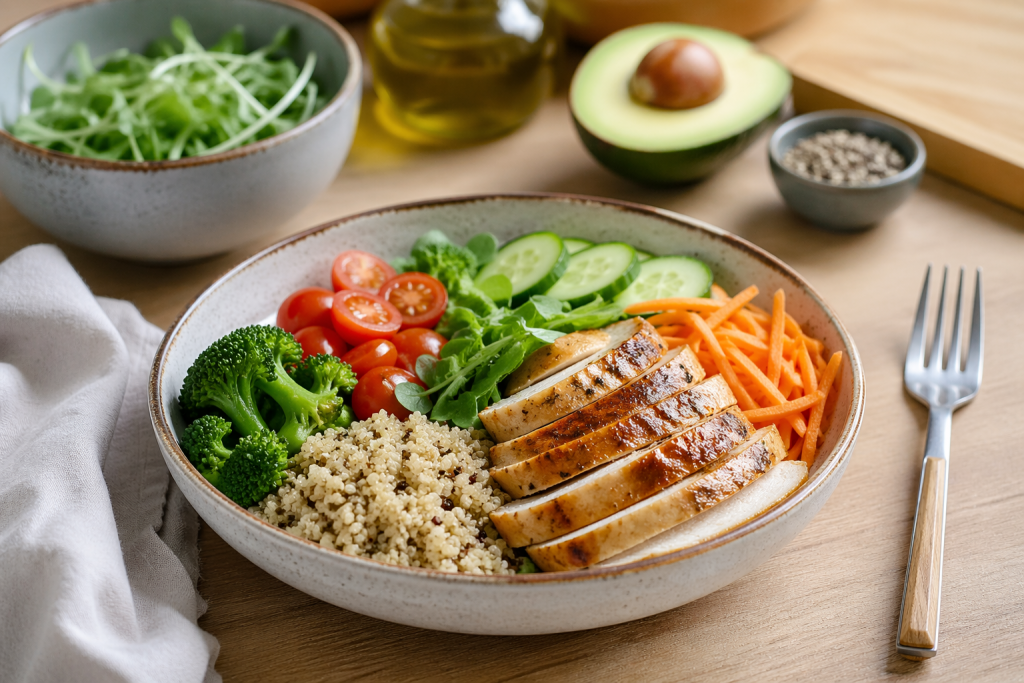
Thinking about healthy eating might conjure up images of bland food or strict diets, but it’s really about fueling your body effectively. When you eat well, you generally have more energy, think clearer, and might even find your mood improves. It’s not just about looking good; it’s about feeling good, inside and out. Starting on this journey can feel a bit overwhelming, but genuinely, it’s about making small, sustainable changes rather than a complete overhaul.
You don’t have to drastically change everything overnight. Instead, think about where you can make easy swaps. Maybe it’s adding more vegetables to your usual dinner or choosing fruit over a sugary snack. Don’t aim for perfection right away. The goal is progress, not instant transformation. Find a few straightforward recipes you genuinely enjoy and build from there. Consistency beats intensity every time when it comes to long-term habits.
Contents
- 1 Identifying Your “Why”
- 2 Starting Small and Sustainable
- 3 Overnight Oats: Your Grab-and-Go Solution
- 4 Scrambled Eggs with a Veggie Boost
- 5 The “Everything but the Kitchen Sink” Salad
- 6 Mediterranean-Inspired Quinoa Salad
- 7 Quick Lentil and Vegetable Soup
- 8 Comforting Chicken Noodle-ish Soup
- 9 Portable and Protein-Packed Options
- 10 Crunchy and Savory Choices
- 11 Green Smoothie That Actually Tastes Good
- 12 Berry Blast Protein Smoothie
- 13 One-Pan Lemon Herb Chicken and Veggies
- 14 Quick Salmon with Roasted Asparagus
- 15 Baked Apples with Cinnamon
- 16 Chocolate Avocado Mousse
- 17 Starting with a Simple Plan
- 18 Smart Shopping and Storage
- 19 Reliable Online Inspiration
- 20 Handy Kitchen Tools That Make a Difference
Identifying Your “Why”
Before jumping into recipes, take a moment to consider why you want to eat healthier. Is it for more energy, better sleep, managing a health condition, or just generally feeling better? Having a clear “why” can be a great motivator when things feel a bit challenging. This isn’t about judgment, but about understanding your personal goals.
Starting Small and Sustainable
For beginners, the best approach is often the easiest. Pick one meal a day to focus on improving, or one type of food to incorporate more of, like vegetables. Don’t try to eliminate everything you love at once. Instead, think about adding good things in. For example, if you typically have toast for breakfast, try adding a hard-boiled egg or some avocado to it. These small steps add up significantly over time.
Mornings can be a whirlwind for many of us, and that’s often when healthy eating plans go awry. The good news is, a nutritious breakfast doesn’t have to be time-consuming. There are plenty of options that are both quick and satisfying, setting you up for the day without feeling rushed.
Overnight Oats: Your Grab-and-Go Solution
Overnight oats are a lifesaver. You prepare them the night before, and they’re ready to grab from the fridge in the morning.
Basic Overnight Oats Recipe
Combine ½ cup rolled oats, 1 cup milk (dairy or non-dairy), 1 tablespoon chia seeds (for extra fiber and healthy fats), and a dash of cinnamon in a jar or container. Stir well, cover, and refrigerate overnight. In the morning, you can add fresh fruit like berries or sliced banana, a sprinkle of nuts, or a drizzle of honey if you like a bit more sweetness.
Scrambled Eggs with a Veggie Boost
Eggs are a fantastic source of protein, keeping you feeling full and energized. Adding some veggies is an easy way to get some greens in early.
Simple Scrambled Eggs with Spinach
Whisk 2 eggs with a splash of milk or water. Heat a non-stick pan over medium heat, add a tiny bit of olive oil or butter. Pour in the eggs. As they start to cook, toss in a handful of fresh spinach. Gently scramble until the eggs are set and the spinach has wilted. Season with a pinch of salt and pepper. Serve with a slice of whole-grain toast if you want a bit more.
Salads get a bad rap for being boring, but they absolutely don’t have to be. With the right ingredients and a good dressing, a salad can be a genuinely satisfying and delicious meal that’s packed with nutrients. The trick is to think beyond just lettuce and tomato.
The “Everything but the Kitchen Sink” Salad
This approach allows you to use up whatever you have on hand, minimizing waste and maximizing flavor.
Hearty Chickpea and Veggie Salad
Start with a base of mixed greens. Add a can of rinsed and drained chickpeas for protein and fiber. Then, get creative with your veggies: chopped cucumber, bell peppers, cherry tomatoes, shredded carrots, or thinly sliced red onion work wonderfully. For a bit of healthy fat and creamy texture, add some diced avocado. Top with a simple vinaigrette made from olive oil, apple cider vinegar, a squeeze of lemon, and a touch of Dijon mustard.
Mediterranean-Inspired Quinoa Salad
This salad is fantastic because it’s full of flavor, filling, and works great as leftovers.
Quinoa Salad with Feta and Olives
Cook ½ cup quinoa according to package directions, then let it cool. In a large bowl, combine the cooled quinoa with chopped cucumber, cherry tomatoes, Kalamata olives (pitted and halved), crumbled feta cheese, and fresh parsley. Dress with a lemon-herb vinaigrette: olive oil, fresh lemon juice, dried oregano, salt, and pepper. This salad is excellent on its own or alongside some grilled chicken or fish.
Soups are incredibly comforting and can be a powerhouse of nutrition. They’re also super versatile, allowing you to sneak in lots of vegetables without much effort. A good soup is the ultimate one-pot meal.
Quick Lentil and Vegetable Soup
Lentils are an excellent source of plant-based protein and fiber, making this soup incredibly filling and healthy.
Speedy Red Lentil Soup
In a large pot, sauté 1 chopped onion, 2 minced garlic cloves, and 2 chopped carrots in a little olive oil until softened. Add 1 cup red lentils (rinsed), 4 cups vegetable broth, and a can of diced tomatoes (undrained). Season with ½ teaspoon cumin, ½ teaspoon turmeric, and a pinch of salt and pepper. Bring to a boil, then reduce heat and simmer for about 20-25 minutes, or until lentils are tender. You can use an immersion blender to make it creamier, or leave it chunky. Serve with a squeeze of fresh lemon juice.
Comforting Chicken Noodle-ish Soup
This version focuses on wholesome ingredients without heavy creams or excessive sodium.
Simple Chicken and Vegetable Soup
Heat a little olive oil in a large pot. Add 1 chopped onion, 2 chopped celery stalks, and 2 chopped carrots, sautéing until tender. Stir in 4 cups chicken broth, 1 cup shredded cooked chicken (rotisserie chicken works great for speed), and 1 cup of your favorite pasta (small shapes like orzo or elbow macaroni are good). Bring to a boil, then reduce heat and simmer until the pasta is cooked through. Add a handful of fresh spinach at the very end and let it wilt. Season to taste with salt and pepper.
Snacks are not the enemy! When chosen wisely, they can help keep your energy levels stable, prevent overeating at meals, and provide additional nutrients. The key is to opt for snacks that combine protein, fiber, and healthy fats.
Portable and Protein-Packed Options
Having snacks ready to go can make a huge difference in avoiding less healthy choices when hunger strikes.
Apple Slices with Nut Butter
This is a classic for a reason. Slice an apple and smear it with a tablespoon or two of almond, peanut, or cashew butter. The fiber from the apple and the protein and healthy fats from the nut butter create a satisfying and energizing combination. Read the labels on nut butters to avoid added sugars and unhealthy oils.
Crunchy and Savory Choices
Sometimes you just crave something with a bit of crunch. These options hit the spot without being heavy.
Veggie Sticks with Hummus
Chop up some carrots, celery, bell peppers, or cucumber into sticks. Serve them with a couple of tablespoons of hummus. Hummus, made from chickpeas, offers protein and fiber, while the veggies provide an array of vitamins and minerals. It’s a great alternative to chips or crackers.
Smoothies are a fantastic way to pack a lot of nutrients into a quick, drinkable meal or snack. They’re especially great for beginners because you can easily hide vegetables and boost your fruit intake. The trick is to balance fruits with protein and healthy fats to avoid a sugar crash.
Green Smoothie That Actually Tastes Good
Many people are wary of green smoothies, but when done right, they can be absolutely delicious.
Beginner-Friendly Green Smoothie
In a blender, combine 1 ripe banana (fresh or frozen), a handful of spinach (you won’t taste it!), ½ cup unsweetened almond milk (or water), 1 tablespoon chia seeds or flax seeds, and a scoop of your favorite protein powder (optional, but good for staying full). Blend until completely smooth. Adjust liquid to desired consistency. You can add a few ice cubes if you prefer it colder or have fresh fruit.
Berry Blast Protein Smoothie
If you love berries, this smoothie is for you. It’s vibrant, flavorful, and packed with antioxidants.
Mixed Berry Protein Smoothie
Combine 1 cup frozen mixed berries, ½ cup plain Greek yogurt (for extra protein and creaminess), ½ cup unsweetened almond milk, and a tablespoon of almond butter in a blender. Blend until smooth. If it’s too thick, add a little more milk until you reach your preferred consistency. This smoothie is great for breakfast or as a post-workout refresh.
Dinner is often the main meal of the day, and creating healthy, satisfying options can feel like a tall order after a long day. However, there are many simple recipes that don’t require extensive cooking skills or exotic ingredients. Focus on lean proteins, lots of vegetables, and whole grains.
One-Pan Lemon Herb Chicken and Veggies
One-pan meals are a busy person’s best friend. Minimal cleanup and maximum flavor.
Roasted Chicken and Broccoli with Lemon
Preheat your oven to 400°F (200°C). On a large baking sheet, toss 1 pound bite-sized chicken breast pieces with 1 head of broccoli florets. Drizzle with 2 tablespoons olive oil, 1 tablespoon lemon juice, 1 teaspoon dried Italian herbs, ½ teaspoon garlic powder, and a pinch of salt and pepper. Spread everything in a single layer. Roast for 20-25 minutes, or until chicken is cooked through and veggies are tender-crisp. Serve as is, or with a side of quinoa or brown rice.
Quick Salmon with Roasted Asparagus
Salmon is a fantastic source of omega-3 fatty acids and protein. It cooks quickly, making it ideal for weeknights.
Baked Salmon with Garlic Asparagus
Preheat oven to 400°F (200°C). Place 2 salmon fillets on a baking sheet. Drizzle with 1 tablespoon olive oil, a squeeze of lemon juice, and a pinch of salt and pepper. On the same sheet, toss 1 bunch of trimmed asparagus with ½ tablespoon olive oil, 1 minced garlic clove, salt, and pepper. Bake for 12-15 minutes, or until the salmon flakes easily with a fork and the asparagus is tender.
Just because you’re eating healthy doesn’t mean you have to give up dessert. It’s all about making smarter choices that nourish your body while still satisfying your sweet tooth. Think natural sweetness and wholesome ingredients.
Baked Apples with Cinnamon
Simple, warm, and comforting, baked apples are an understated healthy dessert.
Cinnamon Baked Apples
Preheat oven to 375°F (190°C). Core 2-3 apples (like Fuji or Gala) and place them in a small baking dish. In the center of each, put a teaspoon of cinnamon, a tiny pat of butter (optional), and a sprinkle of chopped walnuts or oats. Add a splash of water to the bottom of the dish to keep them from drying out. Bake for 25-35 minutes, or until the apples are tender. Serve warm, perhaps with a dollop of plain Greek yogurt.
Chocolate Avocado Mousse
This might sound unusual, but the avocado provides an incredibly creamy texture without any dairy, and the chocolate flavor masks it completely.
Rich Avocado Chocolate Mousse
In a food processor or high-speed blender, combine 1 ripe avocado (pitted and scooped out), ¼ cup unsweetened cocoa powder, 2-3 tablespoons maple syrup or honey (adjust to your sweetness preference), 2-3 tablespoons unsweetened almond milk, and a tiny pinch of salt. Blend until completely smooth and creamy. Taste and adjust sweetness if needed. Chill for at least 30 minutes before serving. You can top with a few berries or a sprinkle of flaky sea salt.
Meal prepping is a game-changer for healthy eating, especially for beginners. It takes the guesswork out of what to eat and reduces the likelihood of reaching for less healthy convenience foods when you’re busy. A little bit of planning can save you a lot of stress during the week.
Starting with a Simple Plan
Don’t try to prep every single meal for the entire week from day one. Start small.
Pick One Meal to Prep
Maybe it’s your breakfast, or perhaps two different lunches. Focus on making enough of that one meal or component to last you a few days. For example, cook a big batch of quinoa or brown rice to use in multiple meals, or chop up all your salad veggies for the week. This gradual approach is less intimidating and more likely to stick.
Smart Shopping and Storage
Effective meal prep goes hand-in-hand with smart grocery shopping and proper storage.
Make a List and Stick to It
Before you even step foot in the grocery store, plan out your meals and snacks for the week and make a detailed list of ingredients. This prevents impulse buys of unhealthy items and ensures you have everything you need. Invest in good quality food storage containers – glass containers are excellent for reheating and durability. Portioning your prepped meals into individual containers makes grabbing them during the week incredibly fast.
Getting started is one thing, but staying consistent is where many people falter. Thankfully, there are plenty of resources and tools available to help you maintain your healthy eating habits, even as a beginner. You don’t have to navigate this journey alone.
Reliable Online Inspiration
The internet is a treasure trove of healthy recipes and practical advice, but it’s important to know where to look.
Reputable Food Blogs and Websites
Seek out food blogs and websites that focus on whole foods and simple preparation. Look for those with good photography, clear instructions, and a focus on balanced nutrition rather than restrictive diets. Sites like Minimalist Baker, Cookie and Kate, and Love and Lemons are great starting points for simple, healthy, and delicious recipes. They often have beginner-friendly categories or articles.
Handy Kitchen Tools That Make a Difference
You don’t need a professional chef’s kitchen, but a few key tools can make cooking healthy meals much easier.
Essential Kitchen Gadgets
A good quality chef’s knife and cutting board will make all your chopping and dicing much faster and safer. A large sheet pan is indispensable for one-pan meals. A reliable blender is excellent for smoothies and soups. An air fryer can also be a quick way to cook veggies and proteins with less oil. Slowly build your collection as you discover what you use most. Remember, the goal is to make healthy eating accessible and enjoyable, not a chore. These practical steps and easy recipes are a great foundation for anyone starting their journey toward better health through food.

About LifeViora
Welcome to LifeViora—your trusted guide to balanced living and everyday wellness.
At Life Viora, we believe that a healthy and fulfilling life is built on simple, consistent habits. Founded by Maya Ali, this platform shares practical tips and easy strategies to help you improve your daily life, stay healthy, and live with balance.