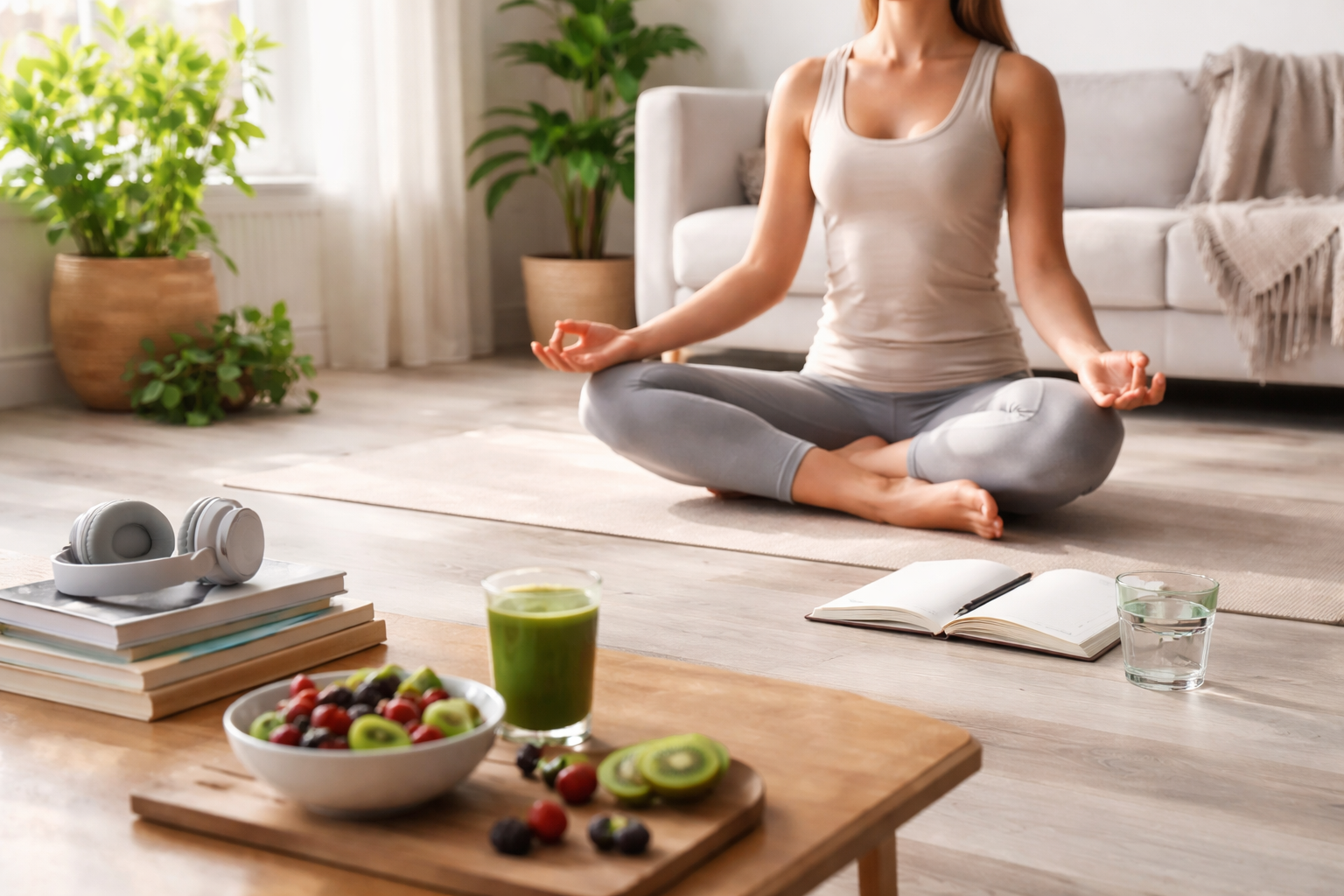

The modern world often feels like a relentless barrage of demands, deadlines, and digital noise. In this constant state of flux, the yearning for peace and tranquillity grows stronger. Our homes, which should be our havens, can sometimes mirror the chaos outside if we don’t intentionally craft them into sanctuaries. Transforming your living space into a peaceful retreat isn’t merely about aesthetics; it’s about cultivating a profound sense of well-being, a vital anchor in our busy lives. This journey involves understanding the deep-seated importance of a peaceful home environment, making conscious choices in design, and integrating elements that foster calm and rejuvenation.
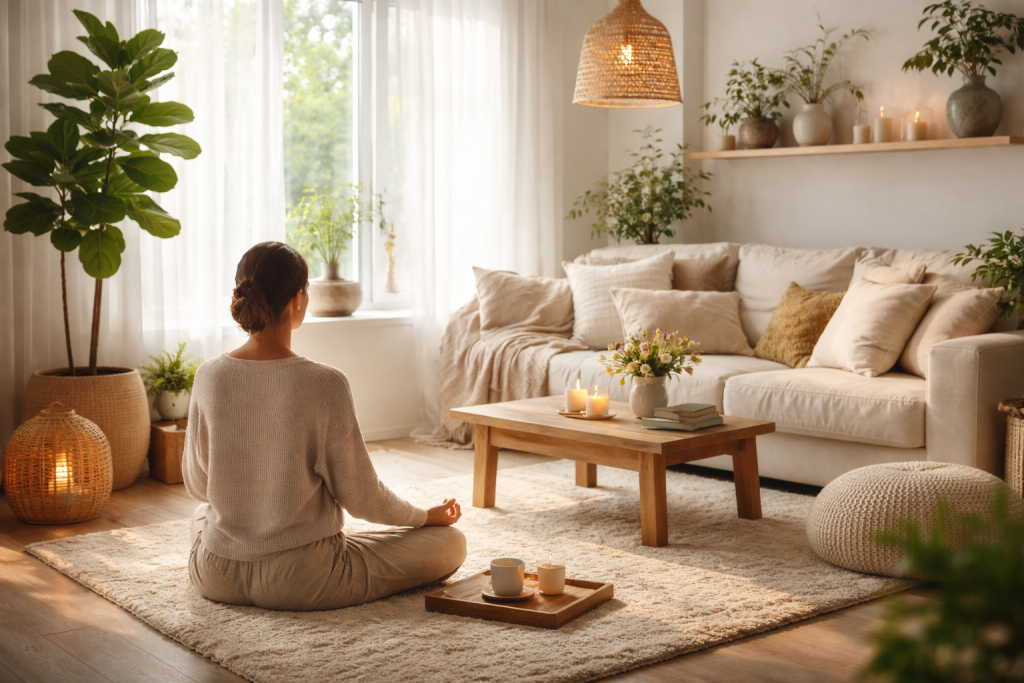
A home that resonates with peace is far more than just a physical structure; it is a psychological and emotional sanctuary. The impact of our surroundings on our mental and physical health is undeniable. When a home environment is peaceful, it acts as a buffer against the stresses of everyday life, providing a space for respite and recovery. Imagine returning home after a long, demanding day. If your home feels cluttered, chaotic, or visually jarring, those feelings of stress can be amplified. Conversely, a well-designed, tranquil space invites relaxation, promotes better sleep, and can even improve cognitive function. It’s a place where you can truly exhale, recharge, and reconnect with yourself.
Contents
- 1 The Psychological Impact of Your Surroundings
- 2 Physical Well-being Benefits
- 3 The Calming Palette of Colors
- 4 Tactile Comfort Through Textures
- 5 Designing for Restful Sleep
- 6 Creating a Bedtime Ritual Space
- 7 The Power of Plants
- 8 Natural Materials and Views
- 9 The Art of Letting Go
- 10 Creating Functional and Harmonious Zones
- 11 The Therapeutic Power of Scent
- 12 Creating Ambiance with Scented Candles
- 13 Intentional Design for Focus
- 14 Enhancing the Practice Environment
- 15 Layering Light for Mood
- 16 The Beauty of Warm Tones and Natural Light
- 17 Designing for Relaxation and Reflection
- 18 The Serenity of a Garden Space
- 19 Intentionality in Every Choice
- 20 Creating Flow and Balance
The Psychological Impact of Your Surroundings
Our brains are constantly processing the visual and sensory information in our environment. Clutter, harsh lighting, and overwhelming colours can trigger anxiety and a feeling of being overwhelmed. On the other hand, soft hues, natural materials, and organised spaces signal safety and calm to our subconscious. This isn’t just about making pretty rooms; it’s about creating a subconscious dialogue with your home that says, “You are safe, you are calm, you are welcome.” The psychological benefits extend to reduced stress hormones, improved mood, and a greater sense of control over one’s inner state.
Physical Well-being Benefits
Beyond the mental realm, a peaceful home environment directly contributes to physical well-being. A calming bedroom, for instance, is crucial for restful sleep, which in turn is essential for immune function, cellular repair, and overall vitality. Homes free from excessive noise and visual distractions can lower blood pressure and heart rate. The presence of natural elements can even improve air quality and reduce exposure to harmful toxins. It’s a holistic approach to health, where your living space plays an active role in your physical resilience.
The sensory experience of our homes is heavily influenced by the colours and textures we choose. These elements are not mere decorative choices; they are powerful tools that can profoundly affect our mood and emotional state. Understanding how colours and textures interact with our senses is key to transforming a house into a peaceful sanctuary.
The Calming Palette of Colors
Certain colours are intrinsically associated with relaxation and peace. Think of the gentle blues of a clear sky or the soft greens of a lush forest. These shades evoke feelings of serenity, stability, and harmony. Whites, creams, and other neutral tones provide a sense of spaciousness and calm, creating a blank canvas for relaxation. Warm undertones can create a sense of cosiness and comfort, while cooler tones can promote a feeling of freshness and clarity. The key is to select a palette that resonates with your personal definition of peace, avoiding colours that are overly stimulating or draining.
Tactile Comfort Through Textures
Texture plays an equally vital role in creating a calming atmosphere. Soft, inviting textures are like a warm embrace for the senses. Think of plush rugs underfoot, the smooth touch of natural wood, the gentle drape of linen curtains, or the comfort of a knitted throw blanket. These tactile experiences can ground us, providing a sense of comfort and security. Contrasting textures can add visual interest without creating overwhelm; for instance, the smoothness of a ceramic vase against the roughness of a stone wall. The goal is to create a multi-sensory experience that encourages touch and engagement, fostering a feeling of warmth and invitation.
The bedroom is arguably the most important room in a home when it comes to fostering peace and rejuvenation. It’s where we retreat from the world to rest and recharge. Therefore, its design should prioritise serenity above all else. A tranquil bedroom is a sanctuary within your sanctuary, a dedicated space for deep sleep and mindful wakefulness.
Designing for Restful Sleep
The foundation of a tranquil bedroom is its ability to promote restful sleep. This begins with muted, calming wall colours that don’t stimulate the mind. Soft, natural bedding made from breathable materials like cotton or linen can significantly enhance comfort. Investing in a quality mattress and supportive pillows is paramount. Minimising clutter is also essential; a tidy bedroom encourages a tidy mind, making it easier to drift off to sleep. Consider blackout curtains to ensure complete darkness, which is crucial for melatonin production and uninterrupted sleep cycles.
Creating a Bedtime Ritual Space
Beyond sleep, the bedroom can be designed to support a calming bedtime ritual. This might involve incorporating a comfortable armchair for reading, a small side table for a water glass and a book, and perhaps a gentle diffusion of lavender oil. The aim is to create an environment that signals to your body that it’s time to wind down and prepare for rest. Avoiding electronic devices in the bedroom can also contribute to a more peaceful atmosphere, disconnecting you from the demands of the day and allowing for true relaxation.
There’s an innate connection between humans and the natural world, a phenomenon known as biophilia. Bringing elements of nature into our homes can tap into this connection, fostering a sense of calm, reducing stress, and improving our overall well-being. Nature’s presence is a powerful antidote to the artificiality of modern living.
The Power of Plants
Bringing living plants into your home is one of the most effective ways to create a serene ambiance. Plants not only add beauty and colour but also purify the air, releasing oxygen and absorbing toxins. The act of caring for plants can also be a meditative practice, fostering a sense of responsibility and connection. Different plants offer different benefits; for instance, snake plants are known for their air-purifying qualities, while ferns can add a touch of lushness and humidity.
Natural Materials and Views
Beyond plants, incorporating natural materials like wood, stone, and natural fibres can bring the outdoors in. Wooden furniture, stone accents, or woven rugs can add warmth and texture, creating a grounded and earthy feel. If you’re fortunate enough to have a view of nature from your windows, make the most of it. Position furniture to maximise the visual connection to the outdoors. Even the subtle sounds of nature, if accessible, can contribute to a peaceful atmosphere.
Clutter is an often-overlooked source of stress and anxiety. A disorganised home can feel overwhelming, making it difficult to relax and focus. The act of decluttering and organising is not just about creating a tidy space; it’s about creating mental clarity and a sense of control.
The Art of Letting Go
The first step in decluttering is to approach it with intention. Consider each item in your home and ask yourself if it serves a purpose, brings you joy, or is truly loved. If the answer is no, it might be time to let it go. This process can be challenging, but the rewards of a simplified living space are immense. Donating, selling, or recycling items you no longer need can be a cathartic experience.
Creating Functional and Harmonious Zones
Once clutter has been addressed, the focus shifts to organisation. This involves creating designated homes for everything, making it easy to find what you need and put things away. Think about how you use each space and organise accordingly. For example, in the kitchen, group similar items together. In the living room, create a system for storing books, remote controls, and other frequently used items. The goal is to create functional, aesthetically pleasing zones that contribute to a sense of calm and order.
Our sense of smell plays a powerful role in our emotional and psychological state. The right scents can instantly transport us to a place of calm and relaxation, making them invaluable tools in creating a peaceful home. Aromatherapy and scented candles offer a delightful way to engage this sense and enhance your sanctuary.
The Therapeutic Power of Scent
Essential oils are nature’s fragrant gifts, each possessing unique therapeutic properties. Lavender is widely known for its calming and sleep-inducing effects, while chamomile can soothe anxiety. Citrus scents, such as lemon or bergamot, can uplift mood and promote clarity. Peppermint can invigorate and aid concentration. Diffusing these oils or incorporating them into baths and lotions can transform your home into an olfactory sanctuary.
Creating Ambiance with Scented Candles
Scented candles offer a dual benefit of soft, flickering light and a pleasant aroma. Choose candles made from natural waxes like soy or beeswax, and opt for subtle, natural fragrances over overpowering synthetic ones. The gentle glow of a candle can create a warm, inviting atmosphere, perfect for unwinding. Be mindful of placement and always use candles safely, ensuring they are kept away from flammable materials and never left unattended.
In the pursuit of a peaceful home, dedicating a specific space for mindfulness practices is invaluable. A meditation or yoga nook provides a tangible anchor for your practice, signalling to your mind that it’s time to turn inward and cultivate stillness. This dedicated space fosters consistency and deepens the benefits of your mindfulness journey.
Intentional Design for Focus
The creation of a meditation or yoga nook doesn’t require a large space. Even a small corner of a room can be transformed. The key is intentionality. Equip the space with what you need for your practice: a comfortable cushion or mat, perhaps a small altar with meaningful objects, a soft throw, and ambient lighting. The visual simplicity of the space is paramount; avoid clutter and distractions. The intention is to create a space that supports introspection and aids in quieting the mind.
Enhancing the Practice Environment
Consider the sensory elements that can enhance your practice. Soft, natural light is ideal, perhaps from a nearby window or a low-wattage lamp. Gentle, calming music or the sounds of nature can be incorporated. Scent can also play a role, with calming essential oils like sandalwood or frankincense being particularly well-suited for meditation. The goal is to create a holistic environment that encourages deep relaxation and allows you to fully immerse yourself in your chosen mindfulness practice.
Artificial lighting can drastically alter the mood and atmosphere of a space. Harsh, bright lighting can feel sterile and uninviting, while soft, ambient light creates a sense of warmth, cosiness, and tranquillity. Strategic lighting is a cornerstone of a peaceful home.
Layering Light for Mood
Instead of relying on a single overhead light, aim to layer your lighting. This involves using a combination of sources to create different moods and functionalities. Task lighting, such as reading lamps or under-cabinet lights, is important for practical purposes. Accent lighting can highlight architectural features or artwork. Ambient lighting, such as floor lamps with warm bulbs or string lights, provides a general sense of warmth and atmosphere. Dimmers are your best friend, allowing you to adjust the intensity of light to suit the time of day and your desired mood.
The Beauty of Warm Tones and Natural Light
Opt for light bulbs with a warm colour temperature, typically measured in Kelvin. Bulbs in the 2700K to 3000K range offer a soft, yellowish glow that is ideal for creating a cosy ambiance. Maximise the use of natural light during the day. Sheer curtains or blinds can diffuse harsh sunlight, creating a softer, more inviting glow. As dusk approaches, gradually transition to softer artificial lighting, signalling to your senses that it’s time to unwind.
Our homes are not just the interiors; the spaces surrounding them also offer opportunities for peace and rejuvenation. Cultivating a peaceful outdoor oasis can extend the sanctuary from your doorstep into nature, providing a space for reflection, relaxation, and connection with the natural world.
Designing for Relaxation and Reflection
Think of your outdoor space as an extension of your indoor sanctuary. Incorporate comfortable seating, perhaps a hammock or a cosy lounge set, where you can unwind. Add soft lighting, like string lights or lanterns, to create a magical ambiance in the evening. Water features, such as a small fountain or pond, can introduce the soothing sound of flowing water, which has a calming effect. Outdoor plants and flowers not only add beauty but also attract beneficial wildlife, further enhancing the connection to nature.
The Serenity of a Garden Space
Even a small balcony or patio can be transformed into a serene retreat. Focus on creating a sense of enclosure and privacy, planting lush greenery to create a natural barrier. Consider the elements that bring you joy and peace outdoors – perhaps a comfortable spot for reading, a place for gentle stretching, or simply a tranquil corner to observe the changing seasons. The aim is to create a space where you can escape the demands of daily life and reconnect with yourself and the natural world.
While not every approach to creating a peaceful home needs to be minimalist, the principles of minimalism – intentionality, simplicity, and living with less – can be incredibly conducive to a calm and balanced environment. Embracing minimalism is about curating your possessions and living space to support your well-being, rather than being weighed down by excess.
Intentionality in Every Choice
Minimalism is not about deprivation; it’s about making conscious choices about what you bring into your home and why. It’s about surrounding yourself with items that truly serve a purpose, spark joy, or hold deep meaning. This intentionality extends to every aspect of your home, from furniture and decor to everyday objects. By embracing a minimalist mindset, you reduce overwhelm and create a sense of clarity and spaciousness.
Creating Flow and Balance
A minimalist home often features clean lines, open spaces, and a carefully curated colour palette. This simplicity allows for a sense of flow and balance, making it easier for the eye to rest and the mind to relax. Decluttering and organising are inherent to minimalism, ensuring that every item has its place and contributes to the overall harmony of the space. The result is a home that feels light, airy, and profoundly peaceful, supporting a more balanced and centred way of living. Ultimately, transforming your home into a sanctuary is an ongoing, evolving process, a mindful journey of creating spaces that nurture your soul and support your well-being.

About LifeViora
Welcome to LifeViora—your trusted guide to balanced living and everyday wellness.
At Life Viora, we believe that a healthy and fulfilling life is built on simple, consistent habits. Founded by Maya Ali, this platform shares practical tips and easy strategies to help you improve your daily life, stay healthy, and live with balance.