
The world has undergone a significant shift, with many aspects of our lives now centred around the home. While convenient, this newfound domesticity can often lead to a more sedentary lifestyle. Countering this trend requires a conscious effort to integrate movement and energy into our daily routines. Staying active at home isn’t just about looking attractive; it’s about bolstering mental well-being, improving sleep, and boosting overall health and productivity. Embracing a proactive approach to fitness within the confines of our living spaces is more crucial than ever.
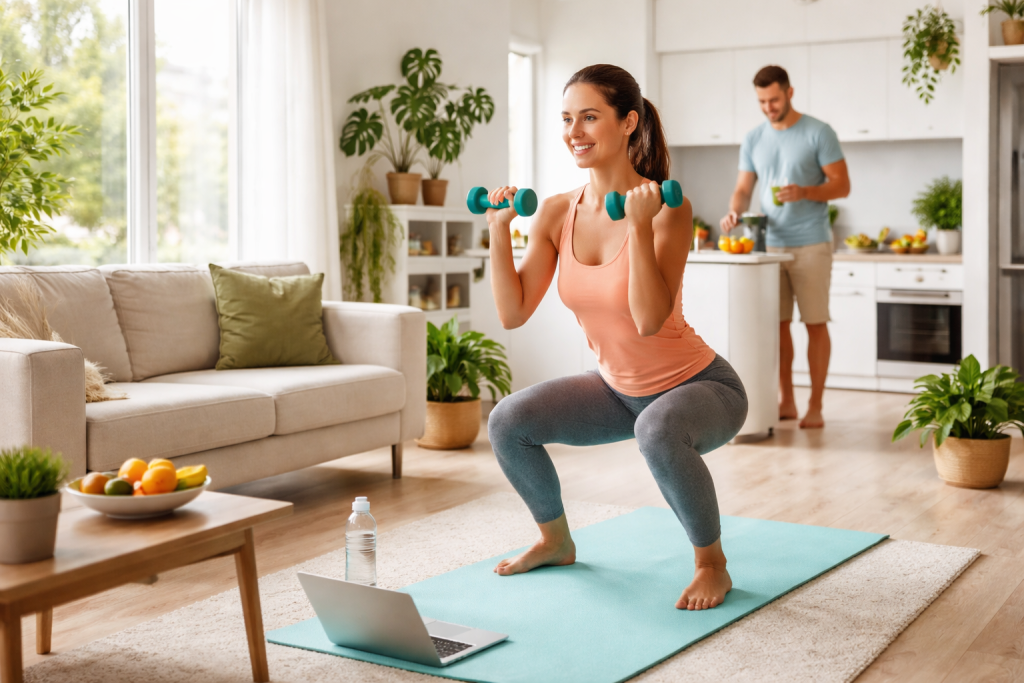
Transforming your home into a personal gym doesn’t require elaborate equipment or a dedicated room. Consistency and thoughtful planning are key to building a routine that sticks.
Contents
- 1 Defining Your Workout Space
- 2 Structuring Your Workouts
- 3 Active House Chores
- 4 Desk-Side Stretches and Movement Breaks
- 5 SMART Goal Framework
- 6 Celebrating Small Wins
- 7 The Power of a Workout Buddy
- 8 Exploring Diverse Exercise Modalities
- 9 Leveraging Online Fitness Resources
- 10 The Importance of Rest and Recovery
- 11 Nourishing Your Body and Staying Hydrated
- 12 Seeking Professional Guidance for a Personalized Plan
Defining Your Workout Space
Designate a specific area in your home, however small, for exercise. This could be a corner of the living room, a section of your bedroom, or even a cleared space in a hallway. The act of mentally and physically preparing this space signals to your brain that it’s time to move. Ensure the area is well-ventilated and free from clutter to prevent accidents and promote a positive workout environment. Even a small mat and some clear floor space can be enough to start.
Structuring Your Workouts
A well-rounded home workout routine should incorporate a variety of exercise types. Aim for a mix of cardiovascular activity, strength training, and flexibility exercises. For cardio, consider jumping jacks, high knees, burpees, or running in place. Strength training can involve bodyweight exercises like squats, lunges, push-ups, planks, and tricep dips using a chair. Flexibility can be achieved through stretching, yoga, or Pilates. Start with shorter sessions, perhaps 20–30 minutes, and gradually increase duration and intensity as your fitness improves. Remember to include a warm-up before and a cool-down after each session to prepare your body and aid recovery.
Beyond dedicated workout sessions, countless opportunities exist to weave physical activity into your daily tasks, transforming sedentary periods into active ones.
Active House Chores
Reframe household chores as opportunities for movement. Cleaning, vacuuming, and gardening can be legitimate forms of exercise if approached with intent. When vacuuming, engage your core and try to increase your pace. When gardening, embrace deep squats and dynamic stretches. Even doing laundry can involve lifting and bending that contributes to overall strength. Consider putting on upbeat music to energise these activities and make them more enjoyable.
Desk-Side Stretches and Movement Breaks
If you’re working from home, prolonged sitting can be detrimental. Set a timer to remind yourself to take short movement breaks every hour. Stand up and stretch, walk around your home, or do a few simple exercises like desk push-ups against a wall or chair squats. Incorporate standing desks or improvise with elevated surfaces to alternate between sitting and standing throughout the day. Even small, frequent bursts of activity can significantly improve circulation, reduce stiffness, and boost energy levels.
Realistic goal setting is paramount for long-term adherence to any fitness plan. Overly ambitious goals can lead to frustration and burnout, while attainable ones give rise to pride and motivation.
SMART Goal Framework
Apply the SMART framework to your fitness goals: Specific, Measurable, Achievable, Relevant, and Time-bound. Instead of “I want to get fit,” aim for “I will complete three bodyweight strength training sessions a week for 30 minutes each for the next four weeks.” Make your goals specific about the type, duration, and frequency of activity. Ensure they are measurable so you can track your progress. Verify that they are achievable given your current fitness level and time constraints. Confirm their relevance to your overall health and well-being. Finally, set a realistic timeframe for achieving them.
Celebrating Small Wins
Acknowledge and celebrate every small victory along your fitness journey. Finishing a challenging workout, consistently sticking to your routine for a week, or improving your form during an exercise – all deserve recognition. These small wins build confidence and reinforce positive habits, making it easier to stay committed to your larger fitness aspirations. Consider rewarding yourself with non-food items, such as a new piece of workout gear or an hour of uninterrupted relaxation.
Maintaining motivation can be a challenge, especially when exercising alone. Fortunately, numerous strategies and resources can help keep your spirits high and your body moving.
The Power of a Workout Buddy
Even when confined to your home, a workout buddy can be invaluable. This could be a housemate, a family member, or a friend who lives elsewhere but commits to exercising with you virtually. Schedule joint workout sessions via video calls, share your progress, and offer encouragement to each other. The accountability and social connection can significantly boost your motivation and make workouts more enjoyable. Knowing someone else is relying on you, or that you’ll be sharing your progress, can be a powerful incentive.
Exploring Diverse Exercise Modalities
Routine can become monotonous. Combat boredom by exploring different types of exercise. If you primarily do bodyweight strength training, try incorporating dance workouts, Pilates, or online yoga classes. Experiment with high-intensity interval training (HIIT) for a quick and effective cardio boost. The variety will keep your mind engaged and challenge your body in new ways, preventing plateaus and sustaining your interest in fitness. Many online platforms offer trials or free introductory classes, making it easy to sample different styles.
Leveraging Online Fitness Resources
The internet is a treasure trove of fitness content. YouTube channels offer free workouts for all levels and interests, from beginner-friendly routines to advanced strength training. Many fitness apps provide structured programmes, progress tracking, and access to virtual trainers. Subscribing to online fitness platforms can offer a vast library of on-demand classes, live sessions, and personalised coaching. These resources can provide structure, variety, and expert guidance, making it easier to consistently engage in physical activity at home.
Fitness is not solely about pushing your limits; it’s about nurturing your entire body and mind. True energy and vitality stem from a holistic approach that balances activity with essential restorative practices.
The Importance of Rest and Recovery
Exercise places stress on the body, and it’s during rest and recovery that adaptation and growth occur. Ensure you are getting adequate sleep, aiming for 7-9 hours per night. Incorporate passive recovery activities such as stretching, foam rolling, or a warm bath to soothe sore muscles and improve flexibility. Listen to your body and take rest days when needed to prevent overtraining and reduce the risk of injury. Prioritising recovery will enhance your performance in subsequent workouts and contribute to overall well-being.
Nourishing Your Body and Staying Hydrated
Physical activity depletes energy stores and fluids. Fuel your body with a balanced diet rich in whole foods, lean proteins, complex carbohydrates, and healthy fats. These nutrients provide the energy required for workouts and aid in muscle repair and recovery. Equally important is staying hydrated. Drink plenty of water throughout the day, especially before, during, and after exercise. Proper hydration is crucial for athletic performance, temperature regulation, and overall bodily functions.
Seeking Professional Guidance for a Personalized Plan
While home workouts are accessible, they benefit from expert advice. If you’re new to exercise, have specific health concerns, or are aiming for particular fitness goals, consider consulting a certified personal trainer or a fitness professional. They can assess your current fitness level, understand your objectives, and design a personalised, safe, and effective workout plan tailored to your needs and preferences. This professional guidance can help optimise your efforts, prevent injuries, and accelerate your progress, ensuring you get the most out of your home fitness journey. They can also advise on proper form and technique, which is crucial for maximising benefits and minimising risks.

About LifeViora
Welcome to LifeViora—your trusted guide to balanced living and everyday wellness.
At Life Viora, we believe that a healthy and fulfilling life is built on simple, consistent habits. Founded by Maya Ali, this platform shares practical tips and easy strategies to help you improve your daily life, stay healthy, and live with balance.