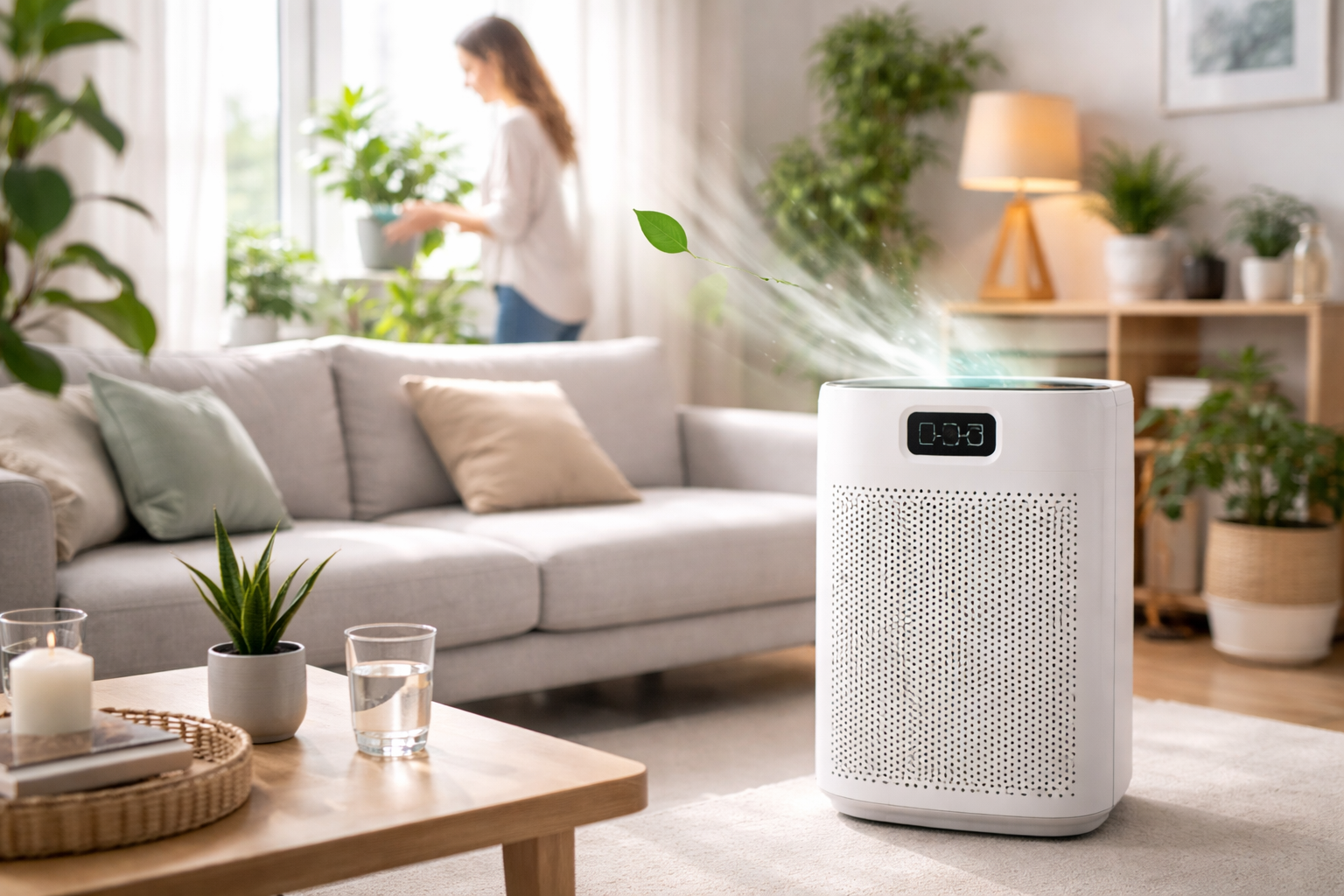

A clean, organised home is often associated with peace of mind, reduced stress, and increased productivity. While the idea of maintaining a sparkling abode might seem daunting, especially with today’s busy schedules, achieving a consistently tidy living space doesn’t have to be an arduous task. The secret lies in establishing and adhering to an effective daily cleaning routine. This approach transforms cleaning from a weekend-long chore into manageable, bite-sized tasks that contribute to a perpetually pristine environment. It’s about more than just aesthetics; it’s about cultivating a healthier, more harmonious living experience.
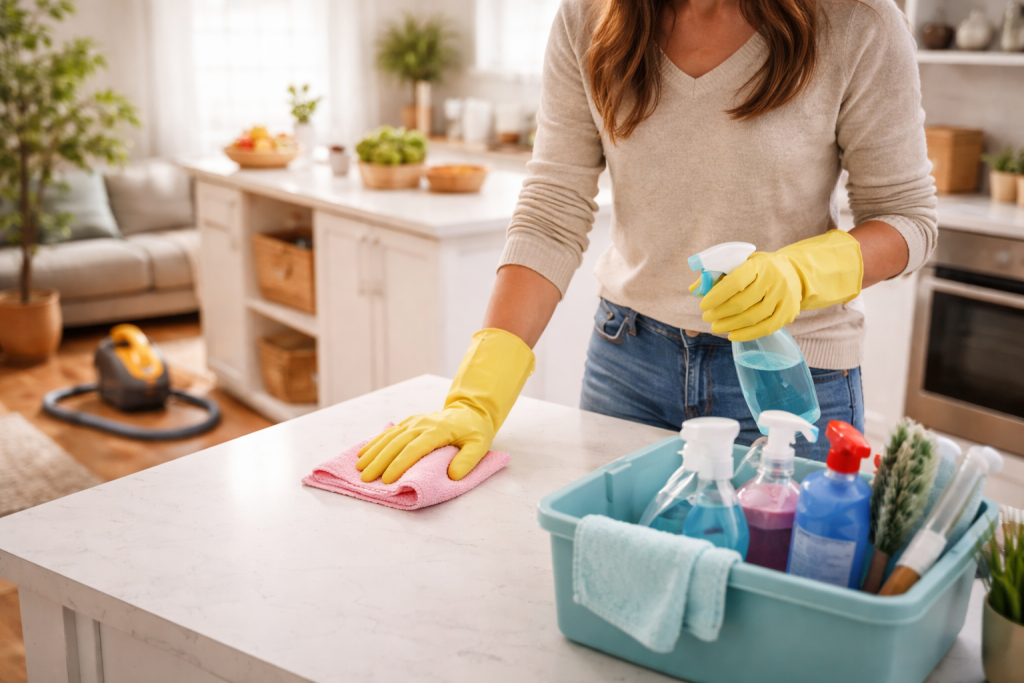
The advantages of integrating cleaning into your daily rhythm are numerous, extending far beyond simply having a tidy house. When you consistently address mess and clutter, you prevent small issues from snowballing into overwhelming projects.
Contents
- 1 Reduced Stress and Enhanced Well-being
- 2 Improved Health and Hygiene
- 3 Increased Productivity and Focus
- 4 Protection and Longevity of Belongings
- 5 Identify High-Traffic Areas and Daily Necessities
- 6 Break Down Tasks into Manageable Chunks
- 7 Assign Specific Times or Triggers
- 8 Start Small and Gradually Expand
- 9 The “One-Touch” Rule
- 10 Batch Similar Tasks Together
- 11 Clean as You Go
- 12 Preventing Overwhelm and Build-up
- 13 Establishing Positive Habits
- 14 Creating a Low-Maintenance Future
- 15 Age-Appropriate Task Assignment
- 16 Clear Communication and Expectations
- 17 Leading by Example and Positive Reinforcement
- 18 Regular Check-ins and Adjustments
Reduced Stress and Enhanced Well-being
A chaotic environment often mirrors a chaotic mind. Coming home to a clean, organised space can significantly reduce stress levels. Knowing where everything is and not having to navigate through clutter frees up mental energy and promotes a sense of calm. This positive psychological impact contributes to overall well-being and can even improve sleep quality.
Improved Health and Hygiene
Regular cleaning, especially in high-traffic areas like kitchens and bathrooms, drastically reduces the accumulation of dust, allergens, germs, and bacteria. This, in turn, minimises the risk of illness and creates a healthier living environment for everyone in the household. Dusting, vacuuming, and sanitising surfaces are vital steps in maintaining excellent indoor air quality and preventing the spread of contaminants.
Increased Productivity and Focus
A clutter-free workspace, whether it’s a home office or simply a kitchen counter, can significantly boost productivity. When you’re not distracted by mess or constantly searching for lost items, you can focus more effectively on your tasks, whether they are work-related, personal projects, or simply enjoying leisure time.
Protection and Longevity of Belongings
Dust, dirt, and neglected spills can damage furniture, electronics, and other household items over time. Regular cleaning and proper maintenance help to preserve the condition and extend the lifespan of your belongings, saving you money in the long run by reducing the need for premature replacements or repairs.
The key to a successful daily cleaning routine is to make it realistic and sustainable. Overly ambitious schedules often lead to burnout and abandonment. Instead, focus on small, consistent actions.
Identify High-Traffic Areas and Daily Necessities
Begin by identifying the parts of your home that see the most activity and accumulate mess quickly. For most households, this includes the kitchen, bathrooms, and entryways. These areas should be prioritised for daily attention. Think about tasks that, if neglected, have an immediate negative impact, such as wiping down kitchen counters after meals or tidying up and making the bed each morning.
Break Down Tasks into Manageable Chunks
Avoid the “deep clean” mentality for daily upkeep. Instead, break down cleaning into tiny, actionable steps. Instead of “clean the bathroom”, think “wipe down the sink and mirror” or “swish the toilet”. These smaller tasks feel less overwhelming and are easier to fit into short gaps in your day.
Assign Specific Times or Triggers
Associate cleaning tasks with existing habits or specific times of the day. For example, “wipe down the kitchen counter after dinner” or “do a quick tidy of the living room before bed.” This creates a natural rhythm and makes cleaning feel less like an extra obligation and more like an integrated part of your daily activities.
Start Small and Gradually Expand
Don’t try to implement a comprehensive cleaning schedule all at once. Begin with a few key daily tasks that you can realistically stick to. Once these become routine, gradually add more tasks as you feel comfortable. This incremental approach builds confidence and ensures long-term adherence.
Efficiency is paramount in making daily cleaning sustainable. The less time and effort a task requires, the more likely you are to do it consistently.
The “One-Touch” Rule
Implement the “one-touch” rule: when you pick something up, put it back in its designated place immediately. This prevents clutter from accumulating and eliminates the need for large-scale tidying sessions. If an item doesn’t have a home, create one.
Batch Similar Tasks Together
If you have multiple tasks that involve similar actions, try to do them all at once. For instance, if you’re already in the bathroom to wipe down the sink, take an extra minute to quickly wipe down the toilet and shower walls. This reduces the number of times you have to gather cleaning supplies or shift your focus.
Clean as You Go
Adopt the habit of cleaning as you go. For example, wipe up spills immediately in the kitchen, or load dishes into the dishwasher as you use them. This prevents messes from hardening or accumulating, making them much easier to clean later. This proactive approach saves significant time and effort in the long run.
Consistency is the bedrock of any successful daily cleaning routine. It’s not about grand gestures but about small, repetitive actions that compound over time.
Preventing Overwhelm and Build-up
The primary benefit of consistency is preventing dirt, dust, and clutter from building up to an overwhelming degree. When you address messes daily, they never have the chance to become huge, time-consuming projects. This eliminates the dreaded “weekend cleaning marathon” and frees up your valuable leisure time.
Establishing Positive Habits
Regular, consistent cleaning transforms chores into habits. Once a task becomes a habit, it requires less conscious effort and motivation. It becomes an automatic part of your daily routine, much like brushing your teeth or getting dressed. This automates cleanliness and reduces mental resistance.
Creating a Low-Maintenance Future
A consistently clean home actually requires less overall effort to maintain. When surfaces are regularly wiped down, deep cleaning tasks become less frequent and less intense. Dust doesn’t have time to settle thickly, and grime doesn’t have time to harden. This sets the stage for a perpetually tidy and easy-to-manage living space.
Cleaning is a collective responsibility, and involving all household members lightens the load and teaches valuable life skills.
Age-Appropriate Task Assignment
Assign tasks based on age and capability. Even young children can contribute by putting away toys, sorting laundry, or wiping down spilt juice. Teenagers can handle more complex tasks like vacuuming, cleaning bathrooms, or doing dishes. Tailor responsibilities to ensure everyone feels capable and contributes meaningfully.
Clear Communication and Expectations
Clearly communicate what needs to be done, how often, and to what standard. Avoid ambiguity. A family meeting to discuss cleaning responsibilities and set expectations can be very effective. Consider creating a rotating chore chart to ensure fairness and prevent any single person from bearing the brunt of the work.
Leading by Example and Positive Reinforcement
Children and even partners are more likely to participate if they see others actively engaged in cleaning. Lead by example. Reward successful task completion with praise and positive reinforcement. Reward systems, especially for younger children, can also be a powerful motivator. Focus on teamwork and the shared benefit of a clean home.
Regular Check-ins and Adjustments
Periodically review the cleaning schedule and responsibilities. What works one week might need adjustment the next. Be flexible and open to making changes based on everyone’s schedules and capabilities. Regular check-ins ensure that the system remains fair and effective for everyone involved.
Incorporating quick and easy cleaning habits, organising your home to minimise cleaning time, utilising time-saving tools, and overcoming procrastination are all vital components that build upon this foundation. Ultimately, maintaining a clean and tidy home with minimal effort is not about magic but about thoughtful planning, consistent action, and shared responsibility. By embracing a daily cleaning routine, you transform your home into a sanctuary and free up your time for the activities and people you love.

About LifeViora
Welcome to LifeViora—your trusted guide to balanced living and everyday wellness.
At Life Viora, we believe that a healthy and fulfilling life is built on simple, consistent habits. Founded by Maya Ali, this platform shares practical tips and easy strategies to help you improve your daily life, stay healthy, and live with balance.