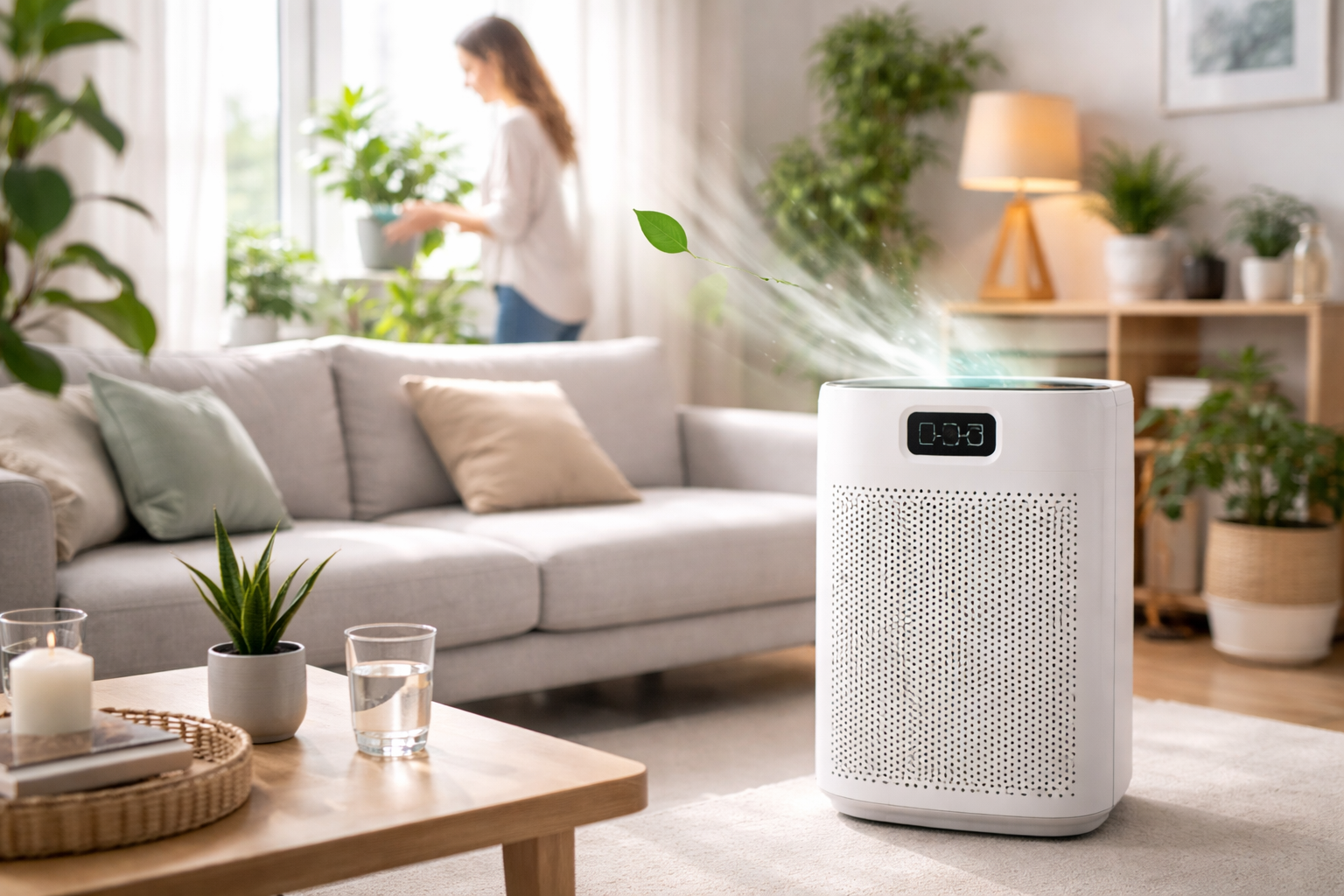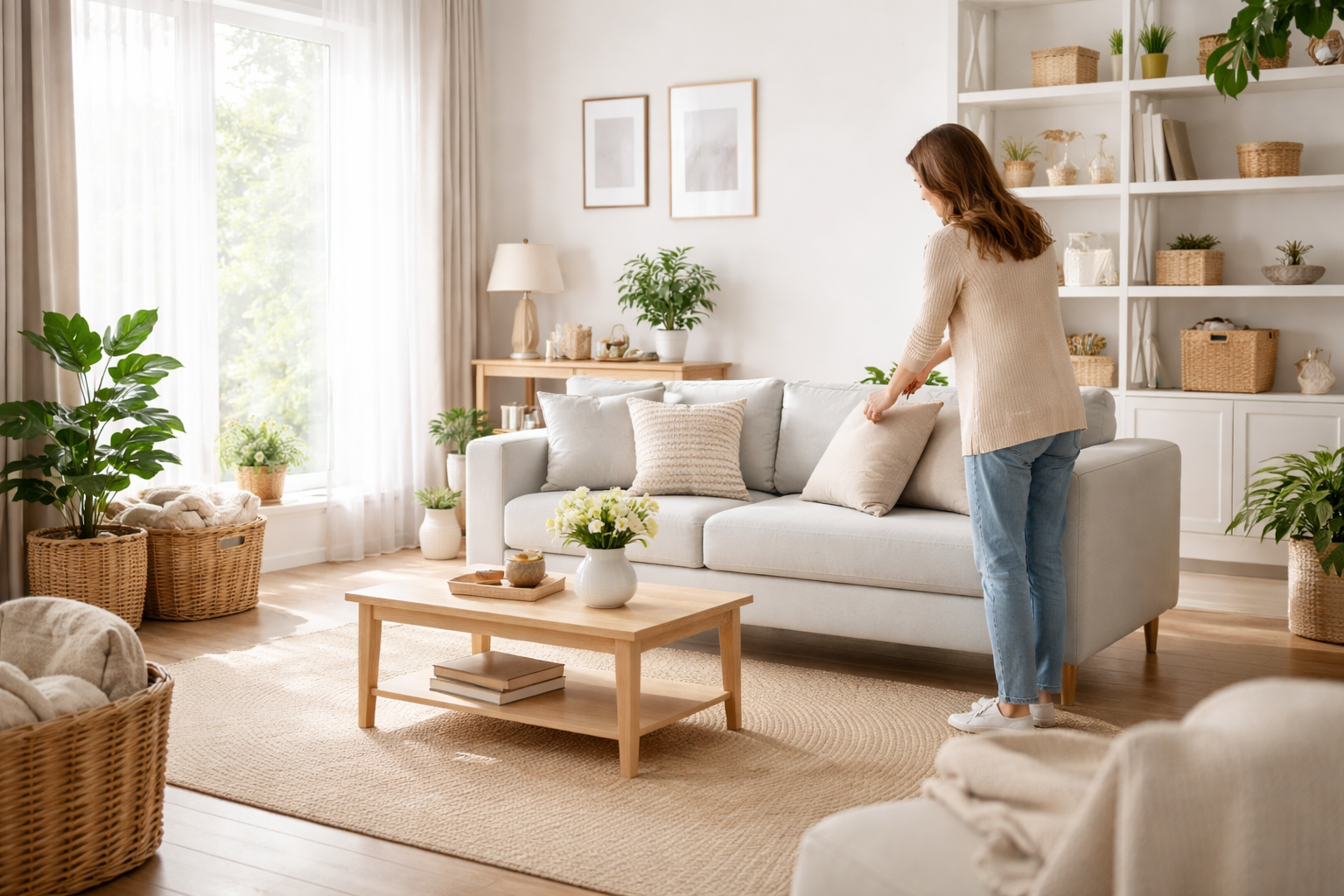

In the relentless rhythm of modern life, the concept of home has evolved beyond a mere shelter; it has become a sanctuary, a haven where peace and tranquility can flourish. The art of creating such a space is an intentional endeavor, a mindful orchestration of elements that soothe the senses and calm the spirit. It’s about crafting an environment that supports well-being, where every corner whispers serenity and every object contributes to a sense of calm.
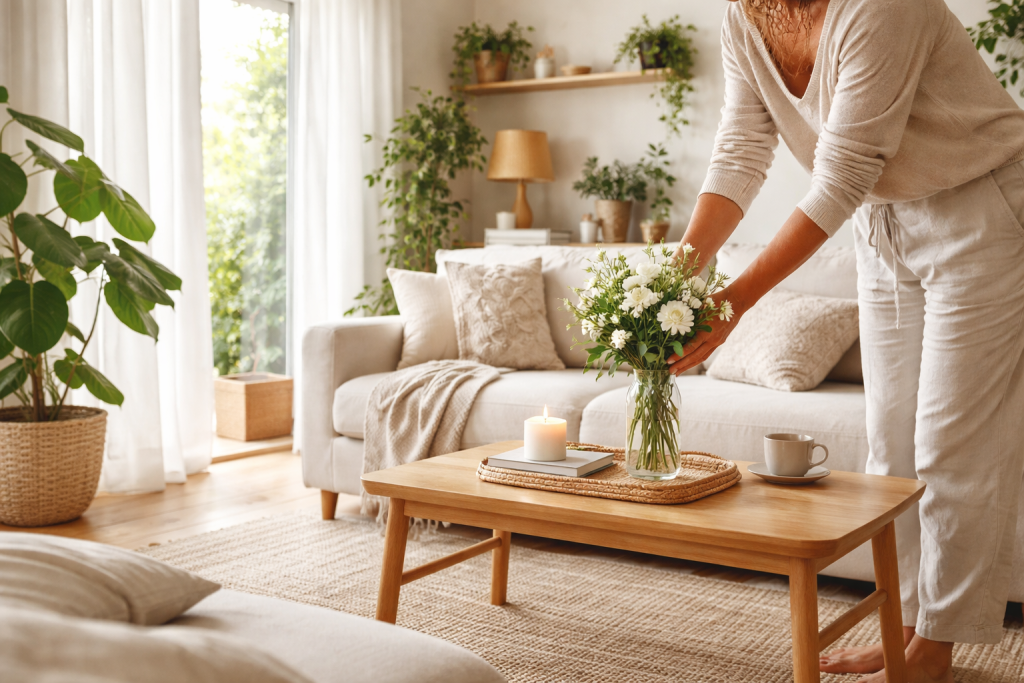
The journey towards a peaceful home often begins with a fundamental act: decluttering. A cluttered space translates to a cluttered mind, fostering anxiety and unrest. The physical act of removing excess possessions is not just about tidiness; it’s a symbolic shedding of mental burdens.
Contents
- 1 Embracing the “Less is More” Philosophy
- 2 Implementing Smart Storage Solutions
- 3 The Psychology of Color for Tranquility
- 4 Thoughtful Decor and Textures
- 5 The Gentle Embrace of Calming Lighting
- 6 Bringing the Outdoors In with Natural Elements
- 7 The Power of Scent: Aromatherapy for Peace
- 8 Mindful Furniture Placement for Flow and Harmony
- 9 Utilizing Sound and Music for Relaxation
- 10 Cultivating a Zen-Inspired Outdoor Space
- 11 Practicing Mindfulness and Meditation at Home
Embracing the “Less is More” Philosophy
Consider the minimalist approach, not as a strict aesthetic, but as a guiding principle. Evaluate each item in your home. Does it bring you joy? Is it functional? If the answer is no, perhaps it’s time to let it go. This process can be challenging, but the liberation that follows is profoundly rewarding. Begin with small areas, a single drawer or a bookshelf, and gradually expand your efforts. The goal is not emptiness, but intention. Every item that remains should serve a purpose or evoke a positive emotion.
Implementing Smart Storage Solutions
Once you’ve decluttered, the next step is to organize efficiently. Smart storage solutions are key to maintaining a peaceful environment. Utilize vertical space with shelves and wall-mounted units. Invest in attractive baskets, bins, and containers that hide clutter and add to the aesthetic appeal of your home. Labeling these containers can further streamline organization, making it easy to find what you need and return items to their rightful place. The objective is to create systems that make tidiness effortless, transforming maintenance from a chore into a seamless part of daily life.
The visual elements of a home play a crucial role in establishing its emotional landscape. Colors, textures, and decorative choices can profoundly impact our mood and sense of well-being.
The Psychology of Color for Tranquility
When selecting a color palette for your tranquil retreat, consider the psychological effects of different hues. Soft, muted tones are often the most effective. Whites, creams, and light grays create a sense of openness and purity. Blues, particularly sky blue or seafoam green, are known for their calming properties, evoking feelings of serenity and spaciousness. Greens connect us with nature, promoting balance and rejuvenation. Avoid overly bright or primary colors in large doses, as they can be stimulating rather than soothing. Instead, use them as accents in smaller details.
Thoughtful Decor and Textures
Beyond color, the decor you choose and the textures you incorporate significantly contribute to the overall ambiance. Opt for natural materials like wood, linen, cotton, and wool. These textures add warmth, depth, and a connection to the natural world. Decor should be purposeful and minimal. Choose pieces that hold sentimental value or evoke a sense of calm. Think about soft throws, plush cushions, and art that inspires introspection or serenity. Abstract pieces with muted colors or landscapes can be particularly effective. The aim is to create a visual harmony that is easy on the eyes and calming to the soul.
A truly peaceful home appeals to all the senses, not just sight. Thoughtful consideration of lighting, the inclusion of natural elements, and the power of scent can transform an ordinary space into an extraordinary sanctuary.
The Gentle Embrace of Calming Lighting
Lighting is a powerful tool for mood manipulation. Harsh, overhead lighting can feel sterile and unwelcoming. Instead, embrace soft, diffused lighting that creates a warm and inviting glow. Incorporate multiple light sources at varying heights: table lamps, floor lamps, and dimmer switches for overhead fixtures. Warm-toned light bulbs (lower Kelvin temperatures) mimic natural candlelight or sunset, promoting relaxation. Consider string lights, especially in less formal areas, for a whimsical and cozy effect. Window treatments that allow natural light to filter in softly, rather than block it completely, are also essential. During the day, maximize natural light to uplift spirits, and as evening approaches, transition to warmer, dimmer artificial light to signal winding down.
Bringing the Outdoors In with Natural Elements
Connecting with nature is a proven way to reduce stress and enhance well-being. Incorporating natural elements into your home can significantly boost its serene atmosphere. Houseplants are a wonderful addition, purifying the air and adding a touch of vibrant life. Choose plants that are easy to care for and suited to your home’s light conditions. Beyond greenery, consider natural wood furniture, stone accents, woven baskets, and natural fiber rugs. A small indoor water feature can add the soothing sound of trickling water, further enhancing the tranquil ambiance. Even simple elements like a bowl of polished river stones or a collection of seashells can evoke a sense of calm and connection to the earth.
The Power of Scent: Aromatherapy for Peace
Our sense of smell is strongly linked to memory and emotion. Aromatherapy harnesses this connection to create desired moods. Essential oil diffusers are an excellent way to introduce calming scents into your home. Lavender is renowned for its relaxing properties, promoting sleep and reducing anxiety. Chamomile offers similar benefits, while cedarwood can create a grounded and comforting atmosphere. Ylang-ylang is known for its ability to reduce stress and uplift the spirit. Experiment with different essential oils or blends to discover what resonates most with you. Scented candles made with natural waxes and essential oils can also contribute to a peaceful ambiance, just be sure to choose high-quality options free from synthetic fragrances.
Beyond aesthetics, the spatial arrangement of furniture and the subtle presence of sound can dramatically influence the flow and feeling of peace within a home.
Mindful Furniture Placement for Flow and Harmony
The way you arrange your furniture can impact how a space feels and functions. Aim for open pathways and a sense of effortless movement. Avoid blocking windows or creating visual barriers that impede natural light or views. Group furniture to encourage conversation and connection, but also ensure there are designated spots for individual relaxation. Consider the “feng shui” principles of energy flow, where furniture is positioned to invite positive energy and create a balanced environment. For example, placing your main seating arrangement facing the entrance (without being directly in line with it) can create a sense of welcome and security. Ensure that no piece of furniture feels awkwardly placed or creates a sense of imbalance in the room.
Utilizing Sound and Music for Relaxation
Silence can be golden, but often, the right sounds can enhance tranquility. Natural sounds, like the gentle trickle of an indoor fountain or the soft rustle of leaves outside an open window, can be incredibly soothing. For those who enjoy music, choose instrumental pieces or ambient soundscapes that promote relaxation rather than stimulation. Classical music, nature sounds (rain, ocean waves), or meditative chimes can create a calming auditory backdrop for daily activities or moments of quiet introspection. Avoid harsh noises or excessive loud sounds. Consider soundproofing solutions for noisy areas if needed, or employ white noise machines to mask disruptive sounds and create a consistent, calming hum.
The quest for a peaceful home extends beyond its walls, embracing the outdoor areas, and crucially, encompassing the inner landscape of the mind.
Cultivating a Zen-Inspired Outdoor Space
Even a small balcony or patio can be transformed into a tranquil haven. A Zen-inspired outdoor space prioritizes simplicity, natural elements, and a sense of calm. Incorporate natural materials like stone, wood, and water features. A small pebble garden, a miniature rock garden, or a few carefully placed potted plants can create a meditative atmosphere. Comfortable seating, perhaps a secluded bench or a hammock, invites relaxation and contemplation. Consider the sounds of the outdoors – gentle wind chimes or the rustling of leaves can enhance the serene ambiance. The goal is to create a seamless transition between your indoor sanctuary and a peaceful outdoor escape.
Practicing Mindfulness and Meditation at Home
Ultimately, a peaceful home is not just about the external environment; it’s also about cultivating inner peace. The most beautifully curated space will still feel chaotic if the mind is restless. Designate a specific corner or room as a “quiet zone” for mindfulness practice or meditation. This doesn’t require elaborate setup – a comfortable cushion, a soft blanket, and perhaps a small altar with meaningful objects can suffice. Incorporate short meditation sessions into your daily routine. Even five or ten minutes of focused breathing can significantly reduce stress and enhance a sense of calm. Practice mindful engagement with your home: appreciating its beauty, feeling the textures, and savoring the quiet moments. This intentional engagement deepens the connection with your peaceful environment, making it a true reflection of your inner serenity. By consciously weaving these elements together, from decluttering and color choices to lighting, natural accents, sensory experiences, and inner practices, one can truly master the art of creating a peaceful home – a sanctuary not just for the body, but for the soul.

About LifeViora
Welcome to LifeViora—your trusted guide to balanced living and everyday wellness.
At Life Viora, we believe that a healthy and fulfilling life is built on simple, consistent habits. Founded by Maya Ali, this platform shares practical tips and easy strategies to help you improve your daily life, stay healthy, and live with balance.