
From the bustling home office to the corporate cubicle, the design of our workspace profoundly impacts our daily lives. It’s more than just a place to perform tasks; it’s an environment that shapes our mood, fuels our creativity, and ultimately dictates our productivity. The journey from a chaotic, cluttered workspace to one of inspiring clarity isn’t merely an aesthetic upgrade; it’s a strategic investment in well-being and success. This article examines the myriad ways thoughtful design can transform your workspace, fostering a healthier, more efficient, and ultimately more fulfilling work experience.
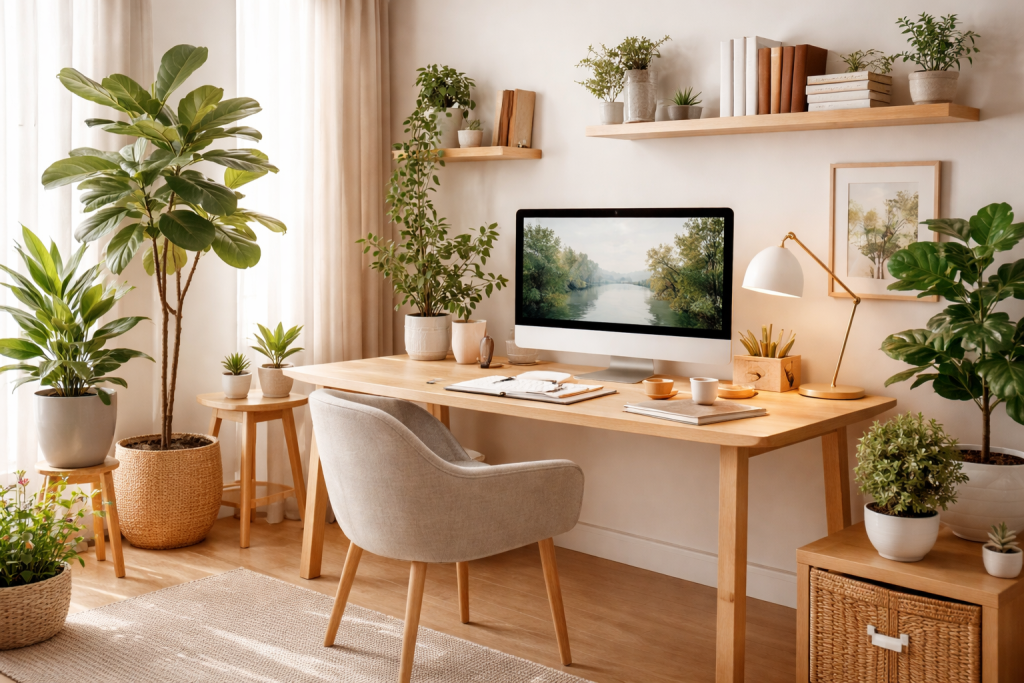
A productive workspace is born on a foundation of functionality and meticulous organization. Before any aesthetic considerations, the primary goal should be to create an environment that supports your workflow seamlessly.
Contents
- 1 Streamlining Workflow with Strategic Layout
- 2 The Power of Smart Storage Solutions
- 3 Harnessing the Power of Natural Light and Ergonomic Design
- 4 Infusing Inspiration: Personal Touches and Motivational Elements
- 5 The Psychology of Color and Texture in Workspace Design
- 6 Balancing Technology with Biophilic Design
- 7 Designing Spaces for Collaboration and Creative Flow
- 8 Cultivating Mindfulness and Wellness in Your Workspace
- 9 Implementing a Routine for Organization and Decluttering
- 10 Adapting and Evolving Your Workspace Needs
Streamlining Workflow with Strategic Layout
Consider the natural progression of your tasks. Are frequently used items within easy reach? Do you have designated zones for different types of work, such as brainstorming, focused individual tasks, and communication? A well-planned layout minimises unnecessary movements and mental friction, allowing for a smooth transition between activities. For instance, if you regularly reference physical documents, your printer and filing system should be conveniently located next to your main workstation, not across the room. Similarly, if you frequently engage in video calls, a dedicated, distraction-free backdrop is essential. The aim is to reduce visual and physical clutter that can interrupt your focus.
The Power of Smart Storage Solutions
Clutter undermines clarity. Effective storage is not about hiding messes, but about creating designated homes for everything. From drawer dividers and shelving units to digital organisers for your files, every item should have a purpose and a place. Open shelving can be used for items you frequently access or for displaying aesthetically pleasing pieces, while closed storage is ideal for concealing less attractive but necessary supplies. Vertical storage, such as wall-mounted shelves or tall bookcases, is particularly valuable in smaller spaces, it maximises storage without encroaching on valuable desk real estate. Regularly decluttering is equally important; a “one in, one out” policy can prevent accumulation and maintain the integrity of your organised system.
Beyond basic functionality, a truly transformative workspace prioritises the well-being of its occupants. This involves harnessing natural elements, investing in beneficial design for the body, and infusing the space with personal touches.
Harnessing the Power of Natural Light and Ergonomic Design
Natural light is a powerful mood booster and a natural regulator of our circadian rhythms. Position your desk to maximise exposure to sunlight, ideally avoiding direct glare on the screen. If natural light is limited, invest in high-quality task lighting that mimics daylight. Poor lighting can lead to eye strain and headaches, significantly impacting concentration. Equally crucial is ergonomic furniture. A supportive chair that promotes good posture, a desk at the correct height, and monitor placement that prevents neck strain are non-negotiable investments in your long-term health and productivity. The goal is to create a dynamic posture, encouraging movement and preventing stiffness throughout the day. Regularly assessing your ergonomic setup and making adjustments is key to sustained comfort.
Infusing Inspiration: Personal Touches and Motivational Elements
Your workspace should reflect who you are and what inspires you. Incorporating personal touches, whether it’s photographs of loved ones, inspiring artwork, or objects from your travels, can create a sense of belonging and comfort. These elements serve as visual anchors, reminding you of your passions and motivations. Similarly, motivational quotes or positive affirmations can provide subtle boosts throughout the day. The key is to strike a balance; too many personal items can lead to clutter, so curating a few meaningful pieces is more impactful than overcrowding your space. These personal elements act as subtle reminders of your purpose and aspirations, injecting personality into what might otherwise be a sterile environment.
The sensory experience of your workspace plays a significant role in your mood and focus. The thoughtful integration of colour, texture, and natural elements can create an environment that is both stimulating and calming.
The Psychology of Color and Texture in Workspace Design
Colour profoundly influences our emotional and cognitive functions. Cool tones like blues and greens tend to promote calmness and focus, making them excellent choices for walls or accents in a concentration-heavy workspace. Warmer tones like yellows and oranges can stimulate creativity and enthusiasm, suitable for brainstorming areas or creative studios. However, moderation is key; an overly vibrant space can be overwhelming. Texture adds depth and warmth to a room. Incorporating natural materials like wood, wool, or linen through furniture, rugs, or decorative accents can create a more inviting and tactile experience. A soft throw blanket or a textured cushion can provide comfort, while a smooth, polished desk surface can evoke a sense of order. The interplay of different textures prevents a space from feeling flat and uninspired.
Balancing Technology with Biophilic Design
In an increasingly digital world, it’s easy for our workspaces to become dominated by technology. Integrating elements of nature, often referred to as biophilic design, can counteract this technological saturation and provide a much-needed sense of calm and rejuvenation. Houseplants, for example, not only add aesthetic appeal but also improve air quality and have been shown to reduce stress levels. Even a simple vase of fresh flowers can instantly uplift a space. Consider incorporating natural materials in your furniture or decor, such as a wooden desk or stone coasters. A window with a view of greenery can also act as a powerful mental break, allowing your eyes to rest and your mind to wander momentarily before returning to your tasks with renewed focus. This deliberate integration of the natural world into our working environment reminds us of the larger world beyond our screens.
A truly transformative workspace isn’t static; it evolves to support dynamic work styles, foster innovation, and actively promote employee well-being.
Designing Spaces for Collaboration and Creative Flow
For teams or individuals who value collaborative work, the workspace design should actively facilitate interaction. This might involve flexible furniture arrangements that can be easily reconfigured for group discussions, whiteboards or large digital screens for brainstorming sessions, and comfortable seating areas that encourage informal communication. In an open-plan office, designing smaller, private “focus pods” can offer a retreat for individuals needing intense concentration. For creative tasks, providing a stimulating environment might mean incorporating vibrant art, unconventional seating options, or even dedicated “play” areas with creative tools. The goal is to break down physical barriers to communication and encourage spontaneous idea generation. The ability to shift seamlessly between individual focus and collaborative engagement is a hallmark of a high-performing workspace.
Cultivating Mindfulness and Wellness in Your Workspace
Beyond physical ergonomics, a well-designed workspace considers mental and emotional well-being. This involves creating pockets of calm and encouraging mindful practices. A designated “reset” zone, even a small corner with a comfortable chair and some greenery, can provide a sanctuary for short breaks. Incorporate aromatherapy with essential oil diffusers to influence mood – lavender for relaxation or citrus for invigoration. Scheduled micro-breaks to stretch, meditate briefly, or simply look away from your screen can significantly reduce mental fatigue. Providing access to healthy snacks and hydration stations also subtly reinforces a culture of wellness. Ultimately, a workplace that prioritises well-being recognises that a healthy mind and body are the bedrock of sustained productivity.
The journey to a clear and productive workspace doesn’t end with the initial design. It requires ongoing attention and commitment to maintain its optimal state. Regular maintenance and a proactive approach are crucial for long-term success.
Implementing a Routine for Organization and Decluttering
A well-designed workspace can quickly revert to chaos without a consistent maintenance routine. Dedicate a few minutes at the end of each workday to tidy your desk, put away loose items, and organise your files. Schedule a weekly or biweekly deep clean to dust surfaces, declutter drawers, and review your digital files. A “place for everything, and everything in its place” mentality is key. Regularly reassess whether certain items are still necessary or if they can be archived or disposed of. This proactive approach prevents accumulation and ensures that your workspace remains a clear and inspiring environment, rather than a breeding ground for clutter.
Adapting and Evolving Your Workspace Needs
As your work style evolves, so too should your workspace. Be open to adapting and refining your setup based on your changing needs and preferences. Perhaps you discover a new technology that requires a different desk configuration, or you find that a particular lighting setup works better for your eyes. Soliciting feedback from employees or even self-reflection on your own experience can provide valuable insights for continuous improvement. The most effective workspaces are not static creations but dynamic environments that grow and change with the people who inhabit them. By embracing this iterative process, you ensure that your workspace remains a powerful tool for productivity, creativity, and overall well-being, fostering long-term success.

About LifeViora
Welcome to LifeViora—your trusted guide to balanced living and everyday wellness.
At Life Viora, we believe that a healthy and fulfilling life is built on simple, consistent habits. Founded by Maya Ali, this platform shares practical tips and easy strategies to help you improve your daily life, stay healthy, and live with balance.