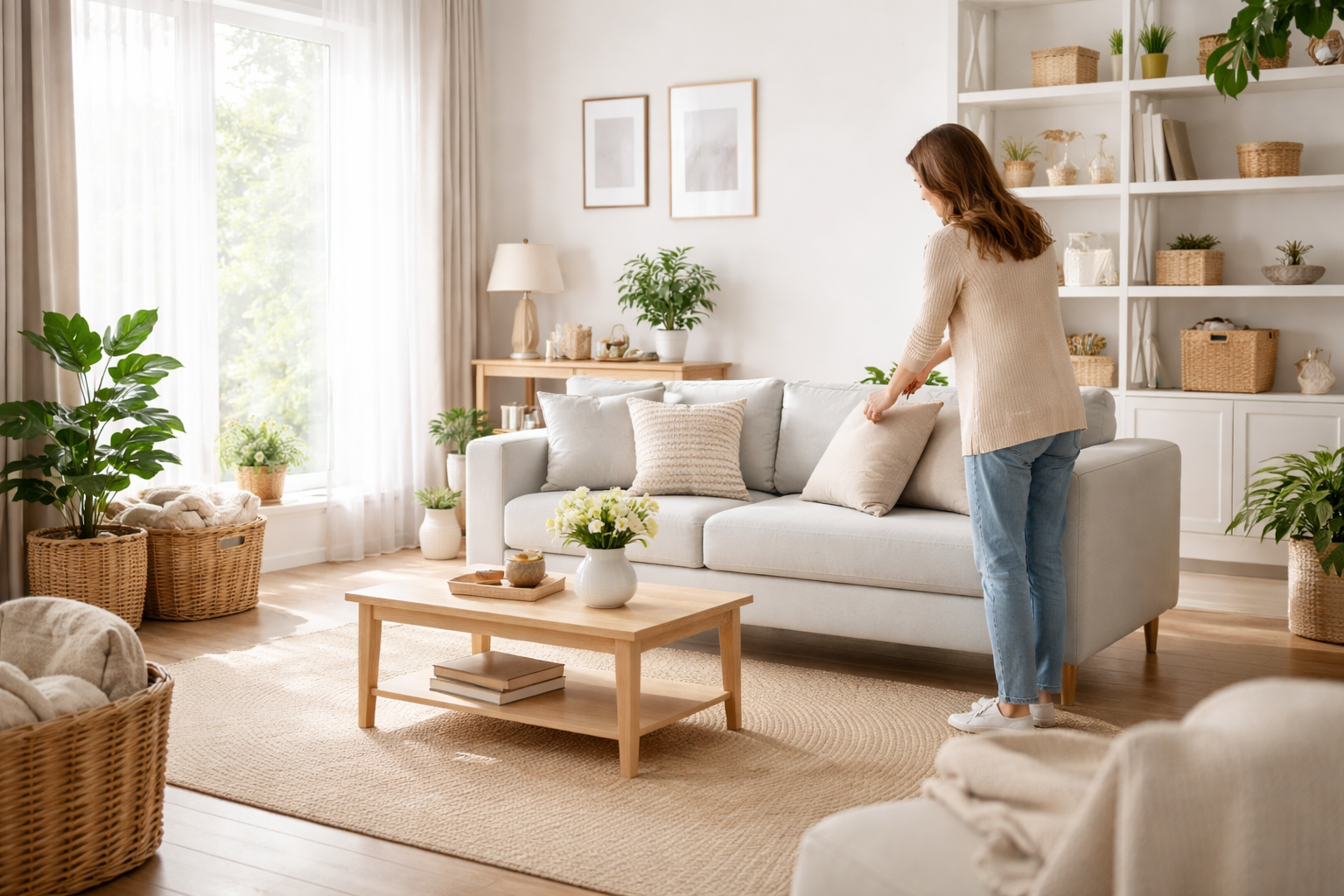

The dream of a spacious home often clashes with the reality of modern living. Many of us find ourselves navigating the charming, yet often challenging, world of smaller dwellings. But a lack of square footage doesn’t have to mean sacrificing comfort, style, or functionality. In fact, it can be an opportunity to hone our creativity and develop a more intentional approach to our living spaces. The journey from a cluttered, cramped environment to a cosy, functional retreat is achievable with a strategic blend of smart organisation, clever design, and a mindful approach to decluttering. The art lies in maximising every inch, transforming perceived limitations into design advantages, and ultimately, creating a home that feels both inviting and efficient.
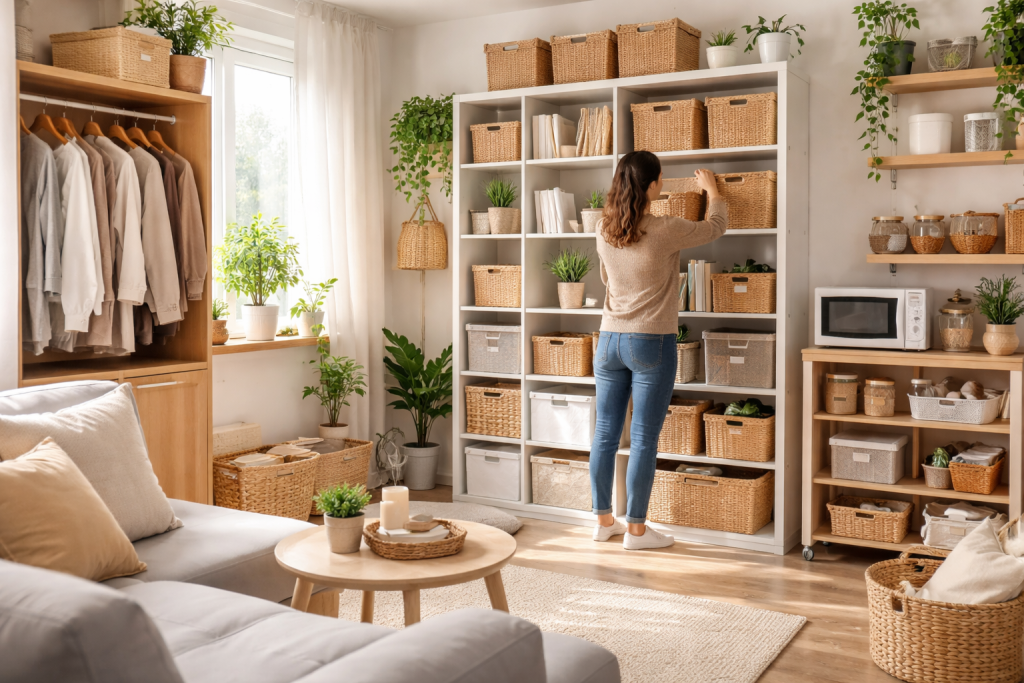
Before any decorative elements or fancy storage solutions can be implemented, the essential first step in transforming any small space is a thorough and intentional decluttering process. Decluttering is not just about tidying up; it involves a fundamental re-evaluation of what you truly need and love in your home. A cluttered small space can feel oppressive, amplifying any sense of constraint. Conversely, a well-edited space, even if modest in size, can feel open, airy, and remarkably serene. Tackling this monumental task requires a methodical approach, breaking it down into manageable steps to avoid feeling overwhelmed.
Contents
- 1 Embracing the ‘One In, One Out’ Rule
- 2 The ‘Four Box’ Method for Sorting
- 3 Creating a Donation Station
- 4 The Power of Vertical Storage Solutions
- 5 Multifunctional Furniture: The Small Space Hero
- 6 Harnessing Hidden Spaces for Storage
- 7 The Impact of Color and Light
- 8 Furniture Selection for Small Footprints
- 9 The Art of Strategic Decoration
- 10 The Importance of Soft Furnishings and Texture
- 11 Personalized Touches and Sentimental Items
- 12 Creating Zones within a Small Space
- 13 The Rise of Modular and Adaptable Storage
- 14 Discreet and Integrated Storage Solutions
- 15 The Power of Pegboards and Wall Grids
Embracing the ‘One In, One Out’ Rule
One of the most effective strategies for maintaining a small, decluttered space is to adopt the “one in, one out” rule. For every new item that enters your home, be it a piece of clothing, a book, or a decorative object, an existing item must leave. This simple, yet powerful principle prevents the gradual accumulation of possessions that inevitably leads to overcrowding. It encourages a more mindful approach to purchasing, prompting you to consider whether a new acquisition truly enhances your life or simply adds to the existing volume. This conscious decision-making process is crucial for long-term success in managing limited space.
The ‘Four Box’ Method for Sorting
When embarking on a decluttering mission, the ‘four boxes’ method can be incredibly effective. Designate four distinct boxes or areas: one for items to keep, one for items to donate or sell, one for items to discard, and one for items that belong in a different room or area of the house. Work through your belongings section by section, making decisive choices for each item. The key here is to be honest with yourself. Ask if you’ve used an item in the last year, if it serves a genuine purpose, or if it brings you significant joy. Hesitation can be a sign that the item might be better suited for someone else’s enjoyment or a different chapter entirely.
Creating a Donation Station
To facilitate the removal of unwanted items, establish a designated donation station. This could be a specific corner of a room or a large bin visible in your entryway. As soon as an item is deemed no longer necessary, place it directly into the donation bin. This immediacy prevents procrastination and ensures that items are removed from your living space promptly, rather than lingering and creating visual clutter. Regularly schedule trips to your local donation centre to keep the station from becoming a secondary storage area.
Once the decluttering process has created a more manageable canvas, the focus shifts to maximising the available storage. Small spaces often present a unique challenge in this regard, as traditional furniture and storage solutions can quickly overwhelm the limited square footage. The key is to think beyond conventional methods and embrace innovative approaches that leverage often-underutilised areas. Vertical space, in particular, becomes a highly valuable commodity.
The Power of Vertical Storage Solutions
In small-space living, walls play a crucial role. Shelving units, whether freestanding or mounted, can dramatically increase storage capacity without encroaching on precious floor space. Consider floor-to-ceiling bookshelves that not only store books but can also house decorative items, plants, and even discreet storage boxes. Wall-mounted shelves can be installed above doorways, in corners, or even in the kitchen to hold cookware and pantry staples. Utilise wall-mounted organisers for entryways to hold keys, mail, and outerwear. Even the backs of doors can be transformed into storage areas with over-the-door organisers for shoes, cleaning supplies, or linens.
Multifunctional Furniture: The Small Space Hero
Invest in furniture that serves multiple purposes. A coffee table with hidden storage drawers or a lift-top mechanism can provide a place to stow away remotes, magazines, or even extra blankets. An ottoman who doubles as a storage chest is ideal for stashing board games or throws. A sofa bed can effortlessly transform your living room into a guest bedroom, eliminating the need for a dedicated guest room. Consider a daybed that functions as a sofa during the day and a comfortable bed at night. Even a dining table that can be folded or extended as needed offers flexibility and space-saving benefits.
Harnessing Hidden Spaces for Storage
Don’t overlook the potential of seemingly insignificant spaces. The area beneath your bed can be a treasure trove of storage with the use of under-bed containers. These can be wheeled for quick access and are perfect for storing seasonal clothing, extra bedding, or luggage. The space above kitchen cabinets can be used to store less frequently used items, or decorative baskets can house them neatly. Bespoke shelving or a cleverly placed corner unit can transform even the awkward corner of a room. Think about any dead space in your home and brainstorm ways to repurpose it for storage.
The transition from cluttered to cosy is not solely about organisation; it’s also about thoughtful design that prioritises both functionality and aesthetic appeal. A small space should feel inviting and comfortable, a sanctuary where one can relax and recharge. This requires a deliberate approach to colour, furniture selection, and the use of decorative elements. The goal is to create a space that feels larger than it is, both visually and experientially.
The Impact of Color and Light
Light colours are your allies in making a small space feel more expansive. White, off-white, and pale pastels reflect light, creating an illusion of greater depth and openness. Consider painting your walls in a light, neutral shade and using pops of colour in your accessories, textiles, or artwork. Maximise natural light by keeping windows unobstructed and using sheer curtains. Introducing mirrors strategically placed can also work wonders in reflecting light and making a room feel larger. A large mirror opposite a window can essentially double the perceived light and space.
Furniture Selection for Small Footprints
When choosing furniture for a small space, scale and proportion are paramount. Opt for pieces that are appropriately sized for the room, avoiding bulky or oversized furniture that can make the space feel cramped. Furniture with slim profiles, exposed legs, and a lighter visual weight can contribute to a sense of openness. Consider pieces that are adaptable, such as nesting tables that can be unfolded when needed and tucked away when not in use. Multi-functional pieces, as mentioned earlier, also play a significant role in functional design for small spaces.
The Art of Strategic Decoration
In a small space, every decorative item should be chosen with care and purpose. Avoid overcrowding surfaces with too many trinkets. Instead, focus on a few well-chosen pieces that add personality and warmth. Consider artwork that is proportionate to the wall space. Plants can add life and colour without taking up excessive room; consider hanging plants or those that are tall and slender. Layering textiles, such as throws and cushions, can add comfort and texture. The key is to curate your decor, ensuring each item contributes positively to the overall ambiance of the space.
The ultimate aim of small space living is to create a haven, a cosy retreat that perfectly blends comfort and personal style. This transformation goes beyond mere organisation and smart design; it delves into the emotional aspect of a living space. A tiny space, when thoughtfully curated, can feel more intimate, comforting, and personal than a sprawling, impersonal mansion. The focus here is on creating an atmosphere that makes you feel at home and at ease.
The Importance of Soft Furnishings and Texture
Texture plays a crucial role in creating a cosy atmosphere. Incorporate soft furnishings like plush rugs, comfortable throw blankets, and inviting cushions. These elements add warmth and tactile appeal, inviting you to relax and unwind. Consider different fabric textures – think chunky knits, soft velvets, and natural linens – to add depth and interest to your space. Layering these textures can create a sense of enveloping comfort.
Personalized Touches and Sentimental Items
Your home should be a reflection of you. In a small space, it’s even more important to surround yourself with items that have meaning and evoke positive emotions. Displaying photographs of loved ones, showcasing artwork that resonates with you, or incorporating pieces that hold sentimental value can transform a functional space into a personal sanctuary. In a small space, the impact of these personalised touches is amplified, creating a strong sense of belonging and comfort.
Creating Zones within a Small Space
Even in the smallest of homes, it’s possible to create distinct zones for different activities. This can be achieved through clever furniture placement and the use of area rugs. For instance, a rug can define a comfortable seating area and separate it from a more functional workspace. In an open-plan studio apartment, a bookshelf can act as a subtle divider between the living and sleeping areas. These zones help to create a sense of order and purpose within the limited square footage, making the space feel more expansive and organised.
The realm of small space living often demands an inventive approach to storage. It’s not just about having enough storage but about having storage that is integrated seamlessly into the design, efficient, and aesthetically pleasing. This requires looking beyond traditional cabinets and drawers and embracing a more dynamic and adaptable strategy. The goal is to make storage an asset to the design, rather than a necessary eyesore.
The Rise of Modular and Adaptable Storage
Modular storage systems offer incredible flexibility for small spaces. These systems can be reconfigured and adapted to suit evolving needs and different areas of the home. Think of stackable cubes, wall-mounted units with adjustable shelves, or drawer inserts that can be customised. The advantage of modularity is that it allows you to create bespoke storage solutions without the need for permanent installations, making it ideal for renters or those who enjoy redecorating.
Discreet and Integrated Storage Solutions
The most effective storage solutions in small spaces are often those that are discreet and integrated into the existing design. For instance, built-in shelving that aligns with the room’s lines can appear as a seamless extension of the architecture. Under-cabinet lighting can illuminate workspace while also hiding clutter. Using furniture with integrated storage, as previously mentioned, is another prime example. Even the spaces behind furniture, if accessible, can be utilised with slim storage units or specially designed organisers.
The Power of Pegboards and Wall Grids
For areas like the kitchen, office, or even a craft corner, pegboards and wall grids are incredibly versatile storage solutions. They allow you to hang tools, utensils, office supplies, and decorative items, keeping them easily accessible and off of valuable counter or desk space. You can customise the arrangement of hooks and shelves to suit your specific needs, creating a highly organised and visually appealing display. These solutions empower you to utilise vertical space efficiently and maintain a clutter-free environment.

About LifeViora
Welcome to LifeViora—your trusted guide to balanced living and everyday wellness.
At Life Viora, we believe that a healthy and fulfilling life is built on simple, consistent habits. Founded by Maya Ali, this platform shares practical tips and easy strategies to help you improve your daily life, stay healthy, and live with balance.