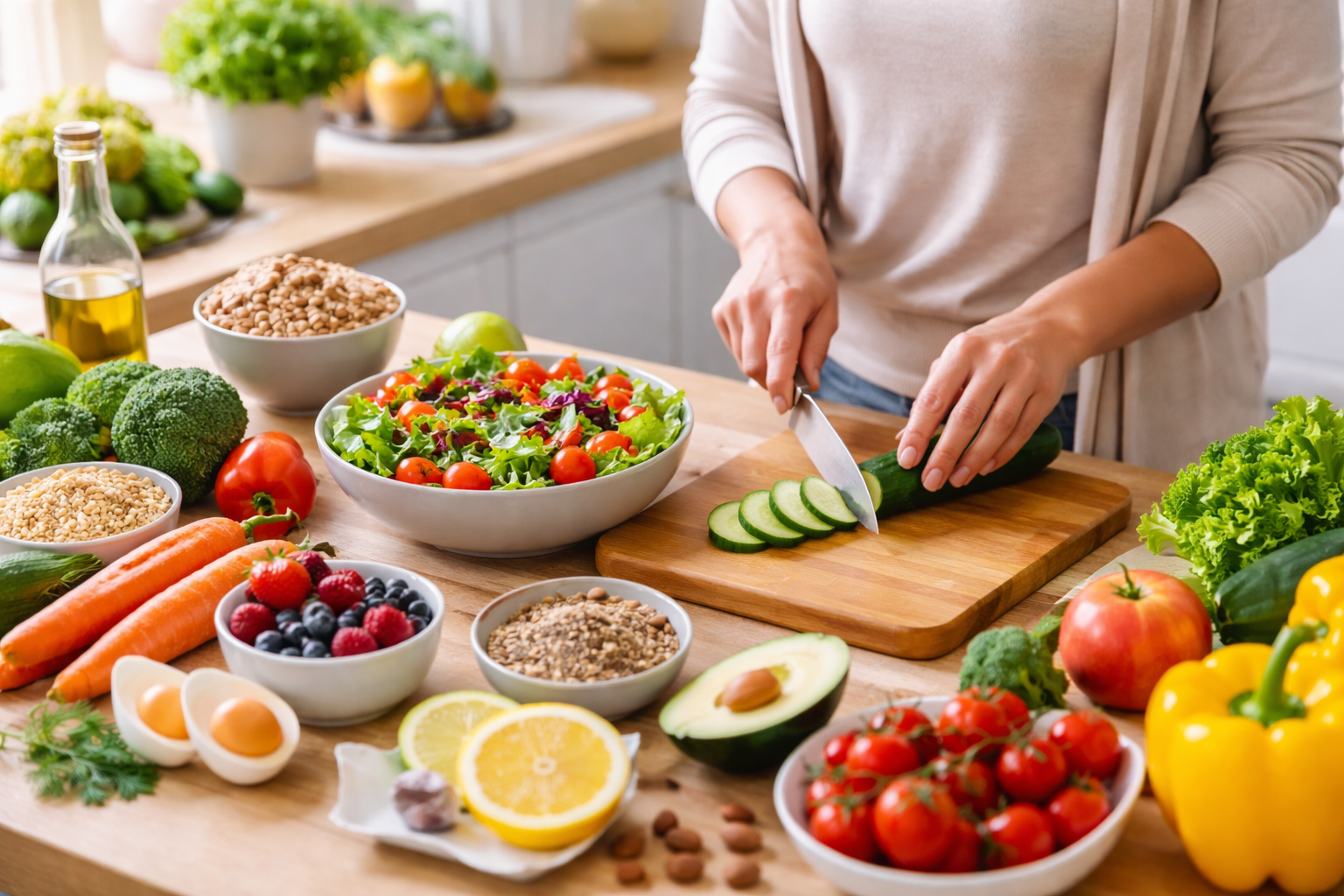

Healthy eating doesn’t have to be expensive. In today’s economic climate, making healthy eating a priority while sticking to a tight budget is a skill many are seeking to master. This isn’t about deprivation; it’s about smart choices, strategic planning, and understanding how to maximise the nutritional value you get for every dollar spent. The pursuit of budget-friendly nutrition is more than just a money-saving tactic; it’s an investment in your long-term well-being, impacting everything from energy levels and immune function to chronic disease prevention and mental clarity.
Contents
- 1 Understanding the Importance of Budget-Friendly Nutrition
- 2 Planning and Preparing Budget-Friendly Meals
- 3 Making the Most of Affordable Ingredients
- 4 Budget-Friendly Meal Prep and Batch Cooking
- 5 Creative Ways to Stretch Your Food Budget
- 6 Overcoming Challenges and Staying Motivated on a Budget-Friendly Nutrition Plan
Understanding the Importance of Budget-Friendly Nutrition
The ramifications of prioritising nutrition are far-reaching. When we fuel our bodies with wholesome, nutrient-rich foods, we build a stronger foundation for health. This translates to fewer sick days, increased productivity, and a better overall quality of life. Conversely, relying on processed, calorie-dense, but nutrient-poor foods can lead to a cascade of health issues, including obesity, diabetes, heart disease, and a weakened immune system. These conditions, in turn, can lead to significant healthcare costs, further exacerbating financial strain. Therefore, understanding the importance of budget-friendly nutrition is recognising that it’s not a luxury but a fundamental component of economic and personal sustainability. It’s about learning to make choices that benefit your health and finances now and in the future. This approach fosters resilience, allowing individuals and families to navigate financial challenges without compromising their health.
Planning and Preparing Budget-Friendly Meals
The cornerstone of any successful budget-friendly nutrition plan lies in meticulous planning and thoughtful preparation. Without a clear roadmap, grocery shopping can become a minefield of impulse buys and missed opportunities for cost-effective nourishment. This involves a proactive approach that starts long before you even step foot in the grocery store.
Crafting a Smart Meal Plan
The journey begins with creating a weekly meal plan. This involves taking stock of what you already have in your pantry and refrigerator and then strategically deciding what you’ll cook and eat throughout the week.
Prioritizing Versatile Staples
Focus on incorporating versatile staples that can be used in multiple dishes. Think about ingredients like rice, beans, lentils, oats, and potatoes. These form the base of many economical and healthy meals.
Building Meals Around Sales and Seasonal Produce
It’s crucial to be aware of grocery store sales and to embrace seasonal produce. Fruits and vegetables are often significantly cheaper when they are in season, and buying them on sale offers immediate savings. This also ensures you’re getting the freshest and most flavourful options.
Mastering Budget-Friendly Meal Preparation
Once you have your plan, the next step is to translate it into delicious and nutritious meals, often through efficient preparation. This is where the concept of “batch cooking” and “meal prepping” truly shines.
The Power of Batch Cooking
Batch cooking involves preparing larger quantities of certain components of meals. For example, cooking a large pot of rice, a batch of roasted vegetables, or hard-boiling a dozen eggs can serve as the foundation for several different meals throughout the week. This saves time during busy weekdays and ensures you always have healthy options readily available.
Strategic Meal Prepping
Meal prepping takes batch cooking a step further by assembling entire meals in advance. This might involve portioning out pre-cooked grains, proteins, and vegetables into individual containers for grab-and-go lunches or dinners. When hunger strikes, a healthy, ready-to-eat meal is just minutes away, preventing reliance on more expensive and less nutritious convenience foods.
Making the Most of Affordable Ingredients
The true art of budget-friendly nutrition lies in knowing how to transform simple, inexpensive ingredients into nourishing and satisfying meals. This requires a creative mindset and a willingness to explore the culinary potential of often-overlooked foods.
Incorporating Nutrient-Dense Foods into Your Diet
The goal of budget-friendly nutrition is not just to save money but to ensure you’re getting the most bang for your buck in terms of nutritional value. This means prioritising foods that are packed with vitamins, minerals, fibre, and protein without a hefty price tag.
Embrace the Power of Legumes
Beans, lentils, and peas are nutritional powerhouses that are incredibly affordable. They are excellent sources of plant-based protein, fibre, iron, and folate. Dried legumes are even more cost-effective than canned varieties, though they require a bit more preparation time. They can be used in soups, stews, chillis, salads, and even as meat substitutes in burgers or tacos.
Discovering Unsung Heroes of the Produce Aisle
While exotic fruits and vegetables can be pricey, many everyday options offer immense nutritional benefits at a fraction of the cost. Root vegetables like carrots, sweet potatoes, and onions are inexpensive, nutrient-rich, and have a long shelf life. Cabbage, for instance, is a fantastic source of vitamins C and K and can be used raw in slaws or cooked in various dishes. Frozen fruits and vegetables are often just as nutritious as their fresh counterparts and can be a more budget-friendly option, especially for out-of-season items.
Budget-Friendly Tips for Eating Healthy on a Shoestring
Beyond ingredient selection, several practical strategies can help you maximise your nutritional intake while minimising your expenses.
Mastering Smart Shopping Strategies
The grocery store is where many budget-friendly nutrition plans succeed or fail. Employing savvy shopping techniques can make a significant difference.
Finding Affordable Sources of Protein, Fruits, and Vegetables
Protein is essential for satiety and muscle building but can be a significant budget drain. Plant-based proteins like beans, lentils, and tofu are exceptionally affordable. Inexpensive animal protein options include eggs, which are a complete protein source, and chicken thighs or drumsticks, which are generally cheaper than breasts. When it comes to produce, as mentioned, seasonal and sale items are key. Don’t overlook “ugly” produce sections, which often offer discounted but perfectly good fruits and vegetables.
Making Smart Choices at the Grocery Store
Before you go, make a list and stick to it. Avoid impulse purchases by not shopping when you’re hungry. Compare unit prices between different brands and sizes to ensure you’re getting the best value. Consider buying in bulk for non-perishable items you use frequently, but only if you have the storage space and will use them before they expire. Generic or store brands are often just as good as name brands and significantly cheaper. Explore the perimeter of the grocery store, which typically houses fresh produce, lean meats, and dairy – often healthier and less processed than the items found in the inner aisles.
Budget-Friendly Meal Prep and Batch Cooking
The efficiency gained through meal prep and batch cooking is a cornerstone of sustainable, budget-friendly nutrition. It’s not just about saving money; it’s about saving time and reducing the likelihood of resorting to less healthy, more expensive options when you’re pressed for time.
The Synergy of Preparation and Savings
When you dedicate a block of time each week to preparing food in advance, you are essentially creating a future-proofing system for your healthy eating goals.
Reducing Food Waste Through Strategic Planning
Batch cooking and meal prepping inherently reduce food waste. By planning your meals and preparing ingredients in advance, you’re less likely to have produce spoil or leftover ingredients go unused. This direct reduction in waste translates into more money saved, as every uneaten apple or forgotten bunch of spinach represents wasted food dollars.
Creating a Time-Saving Advantage
The benefit of having pre-portioned meals or components ready to go cannot be overstated. On busy weekdays, the temptation to order takeout or grab fast food is immense. However, with a fridge stocked with healthy, pre-prepared meals, you can whip up a nutritious dinner in minutes, saving both money and your health. This saved time can then be reinvested in other beneficial activities, further enhancing your overall well-being.
Creative Ways to Stretch Your Food Budget
Beyond the core principles, a resourceful approach can unlock even more savings and expand the possibilities within your budget-friendly nutrition plan. This is where culinary creativity can truly flourish.
Innovative Ingredient Utilization
Think beyond the obvious uses for common ingredients. For example, vegetable scraps like onion peels, carrot tops, and celery ends can be saved to make a flavourful homemade vegetable broth, a zero-cost base for soups and stews. Stale bread can be transformed into croutons or breadcrumbs for added texture and flavour.
Embracing Affordable Global Cuisines
Many international cuisines are inherently budget-friendly and rely on simple, nutritious ingredients. Exploring dishes from cultures that traditionally utilise legumes, grains, and seasonal vegetables can introduce you to new flavours and a wealth of affordable recipes. Think about lentil dals from India, bean-based stews from Latin America, or rice and stir-fried vegetable dishes from Southeast Asia.
Overcoming Challenges and Staying Motivated on a Budget-Friendly Nutrition Plan
Embarking on a budget-friendly nutrition journey is not without its hurdles. From the temptation of convenience foods to the sheer effort of consistent planning and preparation, challenges are inevitable. However, with a strategic mindset and a commitment to your goals, these can be effectively managed.
Addressing Common Obstacles
Acknowledging and preparing for potential setbacks is crucial for long-term success.
Managing Time Constraints
The most common challenge is often time. If you can’t dedicate an entire afternoon to meal prepping, break it down into smaller, manageable tasks. Spend 30 minutes chopping vegetables while watching TV, or cook a batch of grains while you’re doing other chores. Even small, consistent efforts add up.
Combating Food Boredom and Maintaining Variety
Eating the same few meals repeatedly can lead to burnout. Combat this by experimenting with different spices, herbs, and cooking methods. Explore new recipes from budget-friendly cookbooks or online resources. Challenge yourself to try one new affordable ingredient or recipe each week.
Strategies for Sustained Motivation
Staying motivated requires a conscious effort and a focus on the benefits.
Celebrating Small Victories
Acknowledge and celebrate your successes, no matter how small. Did you resist the urge to buy an expensive pre-made meal and instead opt for your prepared lunch? Did you successfully make a delicious and affordable dinner from scratch? Recognising these wins reinforces positive behaviour.
Focusing on the Long-Term Rewards
Remind yourself why you started this journey. Think about the improved health, increased energy levels, greater financial freedom, and the sense of accomplishment that come from nourishing yourself and your family well on a budget. Keeping your “why” at the forefront will fuel your determination when motivation wanes. Budget-friendly nutrition isn’t a temporary diet; it’s a sustainable lifestyle choice that promises a wealth of benefits for your present and future well-being.

About LifeViora
Welcome to LifeViora—your trusted guide to balanced living and everyday wellness.
At Life Viora, we believe that a healthy and fulfilling life is built on simple, consistent habits. Founded by Maya Ali, this platform shares practical tips and easy strategies to help you improve your daily life, stay healthy, and live with balance.