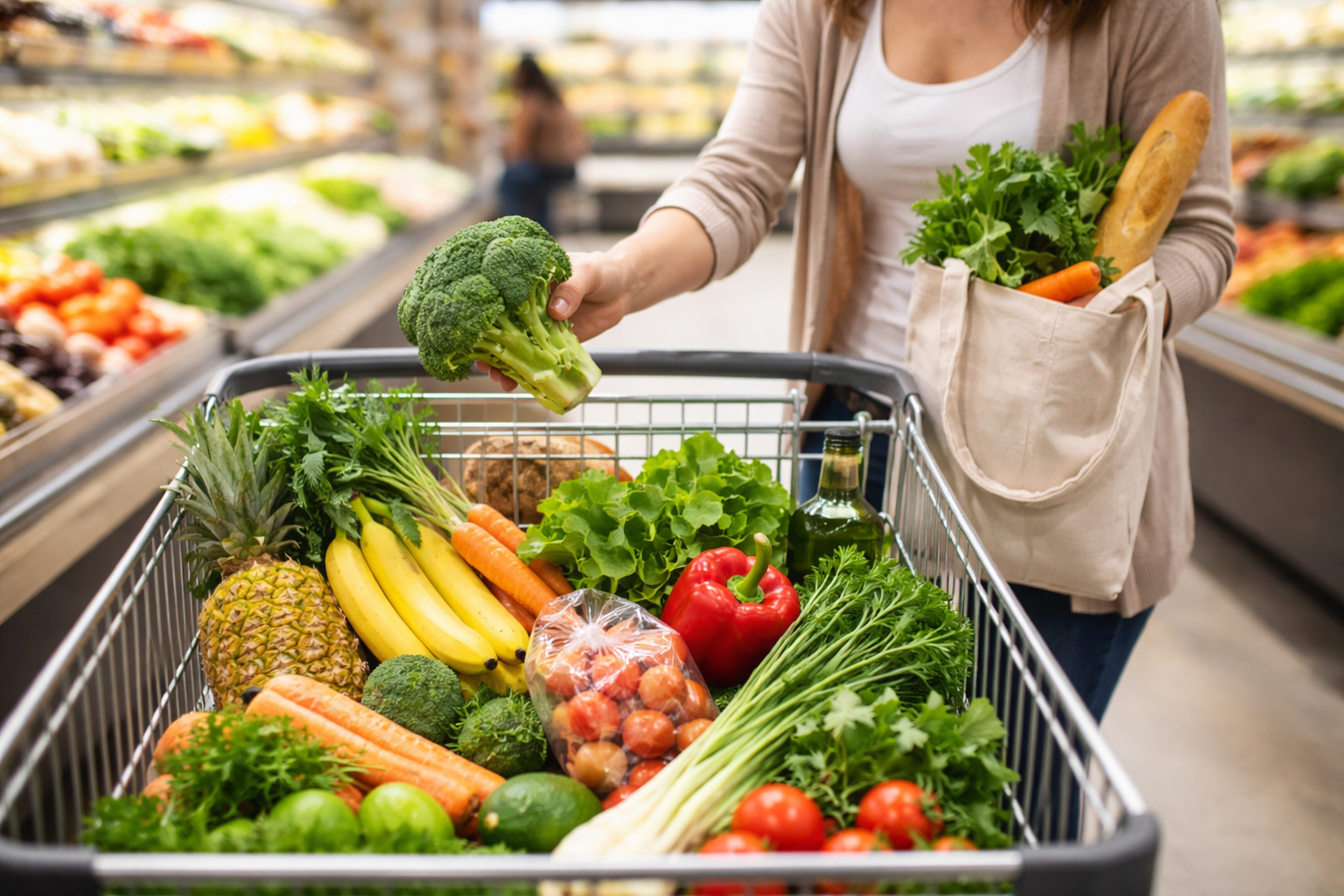

The grocery store aisle, a vibrant tapestry of colours and claims, can feel like a labyrinth to the uninitiated. Each package whispers promises of health, convenience, and deliciousness, but beneath the surface lies a wealth of information crucial to our well-being. Mastering the art of reading food labels isn’t just a skill; it’s a superpower that empowers us to navigate this culinary maze and make informed choices for a healthier life.
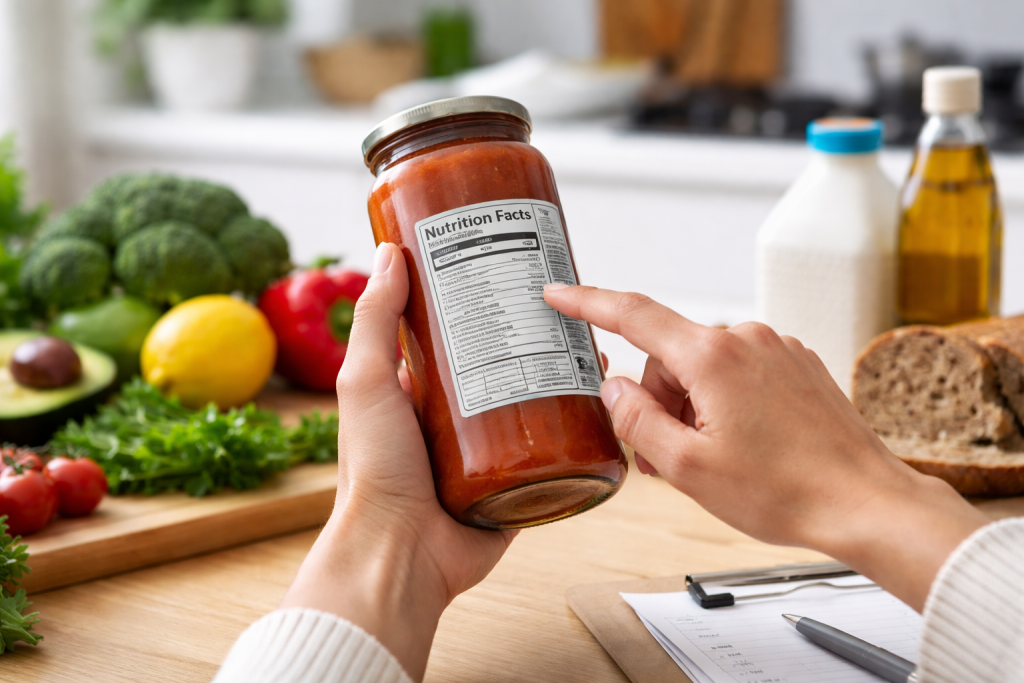
At its core, a food label is a window into what we’re truly putting in our bodies. It transcends mere marketing slogans, offering a factual breakdown of a product’s composition. In an era where processed foods dominate supermarket shelves, and health concerns like obesity, diabetes, and heart disease are on the rise, understanding these labels becomes paramount. It shifts the power dynamic from the manufacturer to the consumer, allowing us to actively participate in our dietary decisions rather than passively consuming whatever is presented. This active engagement fosters a deeper connection with our food, encouraging mindful eating and a greater appreciation for the nutritional value of what we consume.
Contents
- 1 Decoding Nutritional Information on Food Labels
- 2 Navigating Serving Sizes and Portion Control
- 3 Learning to Interpret Ingredient Lists
- 4 Uncovering the Truth Behind Marketing Claims on Food Packaging
- 5 Tips for Spotting High Sugar, Sodium, and Fat Content
- 6 Recognizing Allergens and Dietary Restrictions on Labels
- 7 Comparing Products and Making Healthier Swaps
- 8 Planning Meals and Snacks with Label Awareness
Decoding Nutritional Information on Food Labels
The Nutritional Facts panel is arguably the most critical section of any food label. It provides a standardised snapshot of a product’s nutrient profile per serving. This panel is not merely a collection of numbers; it’s a narrative of calories, fats, carbohydrates, proteins, vitamins, and minerals. Learning to interpret these figures is fundamental to understanding how a particular food contributes to our daily dietary intake. For instance, comparing the saturated fat content between two similar products can reveal which option is more heart-healthy, while a quick glance at the fibre content can indicate its impact on satiety and digestive health.
One of the most common pitfalls in interpreting food labels lies in misunderstanding serving sizes. Manufacturers determine these arbitrary units, and often, what we consider a single portion significantly exceeds the stated serving size. All nutritional information, from calories to sodium, is based on this designated serving. Therefore, if we consume double the stated serving, we are also consuming double the calories, fat, sugar, and so forth. Recognising this discrepancy is crucial for accurate portion control and managing overall intake. It’s a fundamental step towards preventing overconsumption and maintaining a balanced diet.
Beyond the headline nutritional figures, the ingredient list holds equally vital information, often revealing the true nature of a product. This section lists every component, from the most abundant to the least, in descending order by weight. It’s here that hidden sugars, unhealthy fats, and numerous additives often lurk, cleverly disguised under various names.
Learning to Interpret Ingredient Lists
A keen eye for detail is essential when scrutinising ingredient lists. For example, sugar, a pervasive culprit in many processed foods, can hide under monikers like high-fructose corn syrup, dextrose, maltose, sucrose, corn syrup solids, fruit juice concentrate, and even rice syrup. Being aware of these alternative names empowers consumers to identify and limit added sugars effectively. Similarly, unhealthy fats might appear as partially hydrogenated oils or trans fats, notorious for their negative impact on cardiovascular health. Preservatives, artificial colours, and flavour enhancers, while often deemed safe by regulatory bodies, are also ingredients some individuals choose to avoid due to allergies, sensitivities, or personal health philosophies. The ingredient list offers the transparency needed for these informed decisions.
Uncovering the Truth Behind Marketing Claims on Food Packaging
Food packaging abounds with enticing marketing claims – “natural”, “light”, “low-fat”, “sugar-free”, “organic”, “gluten-free”. While some of these claims are regulated and provide genuine insight, others can be misleading or exploited for marketing purposes. For instance, “natural” can be a vague term with no standardised definition, often leading consumers to believe a product is healthier than it truly is. “Low-fat” products might compensate for reduced fat by increasing sugar content, rendering them no healthier, or even less healthy, than their full-fat counterparts. Understanding these nuances requires a critical approach, always verifying claims against the objective data presented in the nutritional panel and ingredient list.
The ultimate goal of cracking the code of food labels is to translate knowledge into action. It’s about empowering ourselves to make conscious, health-promoting decisions at every visit to the grocery store. This journey involves a continuous learning process, adapting our understanding as dietary recommendations evolve and new products emerge.
Tips for Spotting High Sugar, Sodium, and Fat Content
Identifying excessive amounts of sugar, sodium, and unhealthy fats is a cornerstone of healthier eating. For sugar, look for words ending in “-ose” (like fructose and glucose), syrups, and concentrates high up in the ingredient list. The “Added Sugars” line in the Nutritional Facts panel is a relatively new and incredibly helpful addition, directly indicating how much sugar has been deliberately included. Sodium, often disguised as “salt”, “sodium benzoate”, or “monosodium glutamate (MSG)”, can quickly accumulate, especially in processed and canned goods. Aim for products with less than 140 mg of sodium per serving to be considered “low sodium”. When it comes to fats, prioritise unsaturated fats over saturated and entirely avoid trans fats. The “Total Fat” line is important, but delve deeper into “Saturated Fat” and ensure “Trans Fat” is as close to zero as possible.
Recognizing Allergens and Dietary Restrictions on Labels
For individuals with food allergies or specific dietary restrictions, food labels are not merely a guide but a critical safety net. Labels are legally mandated to declare the most common allergens, such as milk, eggs, peanuts, tree nuts, soy, wheat, fish, and shellfish. However, cross-contamination warnings are also vital to heed. Understanding the terminology for dietary restrictions, such as “gluten-free”, “dairy-free”, or “vegan”, ensures adherence to personal health needs and ethical choices. Always double-check these declarations, especially for severe allergies, as formulations can change.
Armed with the ability to decipher food labels, the seemingly daunting task of healthy eating transforms into an enjoyable and empowering process. It moves beyond blindly following diet trends to understanding the real impact of food on our bodies. This practical application of knowledge is where the true value lies.
Comparing Products and Making Healthier Swaps
A practical strategy involves comparing similar products side-by-side. For example, when choosing a breakfast cereal, don’t just grab the one with the appealing cartoon character. Instead, compare the sugar, fibre, and whole grain content of several options. You might discover that a less aggressively marketed brand offers superior nutritional value. Similarly, when buying sauces or dressings, compare sodium and sugar levels. Often, a small adjustment in choice can lead to a significant improvement in overall diet quality. This comparison shopping is a tangible way to leverage label information for immediate health benefits.
Planning Meals and Snacks with Label Awareness
Integrating label awareness into meal and snack planning further refines our dietary habits. When planning a week’s worth of meals, consider the cumulative effect of various ingredients. If one meal is naturally high in sodium, balance it with lower-sodium options for other meals. For snacks, instead of reaching for highly processed items, choose those with shorter ingredient lists and higher fibre content. This proactive approach minimises impulsive, less healthy choices and reinforces a conscious commitment to nutrition. It’s about building a diet based on informed decisions, not just convenience or cravings. The ability to “crack the code” transforms consumers from passive recipients of food products into active participants in their own health and well-being. It is a vital skill for anyone committed to a healthier, more informed lifestyle.

About LifeViora
Welcome to LifeViora—your trusted guide to balanced living and everyday wellness.
At Life Viora, we believe that a healthy and fulfilling life is built on simple, consistent habits. Founded by Maya Ali, this platform shares practical tips and easy strategies to help you improve your daily life, stay healthy, and live with balance.