

Embarking on a journey to banish junk food from your diet is a powerful stride toward a healthier, more vibrant you. It’s a transformation that can ripple through every aspect of your well-being, from your energy levels and mood to your long-term health outcomes. This isn’t about deprivation; it’s about empowerment, about making conscious choices that nourish your body rather than hinder it. The allure of convenient, often delicious, junk food is undeniable, but the toll it takes on our health is also significant. The first important step in getting people to change their eating habits and adopt a truly healthy way of eating is to understand how this affects them.
The term “junk food” evokes images of processed snacks, sugary drinks, and fried delights. While they offer a fleeting moment of pleasure, their nutritional void and high concentrations of unhealthy fats, added sugars, and sodium can wreak havoc on your body over time. The immediate effects might be a sugar rush followed by a crash, but the chronic consequences are far more serious.
Contents
- 1 The Silent Sabotage of Processed Foods
- 2 The Sugar Trap and its Ramifications
- 3 The Dangers of Unhealthy Fats and Excessive Sodium
- 4 Beyond the Physical: The Mental and Emotional Toll
- 5 The Usual Suspects in the Snack Aisle
- 6 The Deceptive World of Sugary Drinks
- 7 Fast Food Facades: Convenience at a Cost
- 8 The Hidden Dangers of Processed Meats and Packaged Meals
- 9 The Power of Gradual Change
- 10 Setting Realistic Goals and Expectations
- 11 Educate Yourself About Nutrition
- 12 Find Your “Why” for a Healthier Lifestyle
- 13 The Foundation of a Healthy Pantry
- 14 Embracing Fresh Produce: The Colorful Core
- 15 Lean Proteins for Sustained Energy and Satiety
- 16 Healthy Dairy and Dairy Alternatives
- 17 Ditch the Chips, Embrace the Veggies
- 18 Fruit Frenzy: Sweeteners from Nature
- 19 Nuts and Seeds: Powerhouses of Goodness
- 20 Yogurt with a Twist: Beyond the Sugary Cup
- 21 The Popcorn Solution: Whole Grain Goodness
- 22 The Plate Method: A Visual Guide
- 23 Incorporating Fiber for Fullness and Digestion
- 24 The Importance of Lean Protein at Every Meal
- 25 Smart Carbohydrate Choices: Fueling Your Body Wisely
- 26 Hydration: The Underestimated Nutrient
- 27 Identifying Your Triggers
- 28 The Power of Distraction and Delay
- 29 Mindful Eating: Savoring Every Bite
- 30 Healthy Alternatives to the Rescue
- 31 Seeking Support and Accountability
- 32 The Homemade Burger Revolution
- 33 Baked, Not Fried: The Crispy Alternative
- 34 Healthier Pizza Perfection
- 35 The Salad Supercharge
- 36 Takeout Transformation: Healthier Versions at Home
- 37 The Breakfast Boost
- 38 Lunchtime Power-Up
- 39 Dinner Delights
- 40 Snack Savvy
- 41 The Frozen Advantage
- 42 Embracing Flexibility and Balance
- 43 Continuous Learning and Adaptation
- 44 Nurturing a Positive Relationship with Food
- 45 Listening to Your Body’s Signals
- 46 Celebrating Progress and Enjoying the Journey
The Silent Sabotage of Processed Foods
These highly manufactured products are often stripped of their natural nutrients during processing. They are engineered to be palatable and addictive, leading to overconsumption. The refined carbohydrates they contain are quickly converted to sugar in the bloodstream, leading to sharp spikes and dips that can leave you feeling fatigued and craving more.
The Sugar Trap and its Ramifications
Excessive sugar intake is a major contributor to a host of health problems. It fuels weight gain, increases the risk of type 2 diabetes and cardiovascular disease, and can even negatively impact your brain health and mood. Many processed foods, even savoury ones, are loaded with hidden sugars.
The Dangers of Unhealthy Fats and Excessive Sodium
Trans fats and saturated fats, commonly found in junk food, are detrimental to heart health. They contribute to the buildup of plaque in arteries, increasing the risk of heart attacks and strokes. Likewise, high sodium intake is linked to elevated blood pressure, a significant risk factor for heart disease and kidney problems.
Beyond the Physical: The Mental and Emotional Toll
The impact of junk food isn’t confined to the physical realm. The rollercoaster of blood sugar levels can lead to mood swings, irritability, and fatigue. Some research also suggests a link between a diet high in processed foods and increased risks of depression and anxiety.
Becoming a detective in your kitchen and grocery cart is essential for eliminating junk food. Recognising the usual suspects will empower you to make informed decisions and steer clear of the pitfalls. These foods often masquerade as convenient or satisfying, but their nutritional cost is simply too high.
The Usual Suspects in the Snack Aisle
Chips, cookies, pastries, candy bars – these are the quintessential junk food offenders. Their high-calorie, low-nutrient profile makes them a quick way to derail healthy eating efforts. Even those marketed as “low-fat” or “healthy” can be laden with sugar and artificial ingredients.
The Deceptive World of Sugary Drinks
Soda, fruit juices with added sugar, and sweetened coffees and teas are liquid calories that offer little to no nutritional value. They contribute significantly to sugar intake and calorie consumption without providing any feelings of fullness, making it easy to overconsume.
Fast Food Facades: Convenience at a Cost
Burgers, fries, fried chicken, and pre-packaged meals from fast-food chains are often loaded with unhealthy fats, sodium, and refined carbohydrates. While they offer quick meal solutions, their long-term health consequences are substantial.
The Hidden Dangers of Processed Meats and Packaged Meals
While convenient, sausages, hot dogs, and many frozen dinners can contain high levels of sodium, nitrates, and saturated fats. These items often lack the fibre and essential nutrients found in whole, unprocessed foods.
Shifting away from junk food doesn’t have to be an overnight ordeal. A gradual, sustainable approach is far more likely to lead to long-term success. The key is to focus on what you’re adding to your diet rather than just what you’re taking away, encouraging an aura of abundance and positive change.
The Power of Gradual Change
Instead of attempting a complete overhaul, begin by making small, manageable changes. Perhaps you start by replacing one sugary drink a day with water or swapping out a processed snack for a piece of fruit. These small victories build momentum and confidence.
Setting Realistic Goals and Expectations
Understand that slip-ups are normal. The goal is progress, not perfection. Set achievable goals for yourself, and don’t let a momentary lapse in judgement derail your entire effort. Celebrate your successes, no matter how small.
Educate Yourself About Nutrition
The more you know about your body’s needs and how food nourishes it, the easier it is to eat healthily. Learning about macronutrients, micronutrients, and the benefits of whole foods can be incredibly motivating.
Find Your “Why” for a Healthier Lifestyle
Connecting with your personal reasons for wanting to eat healthier can provide a powerful anchor during challenging moments. Is it to have more energy for your children? Is it to enhance your athletic performance? Are you aiming to avert potential health problems? Remembering your “why” can be a strong motivator.
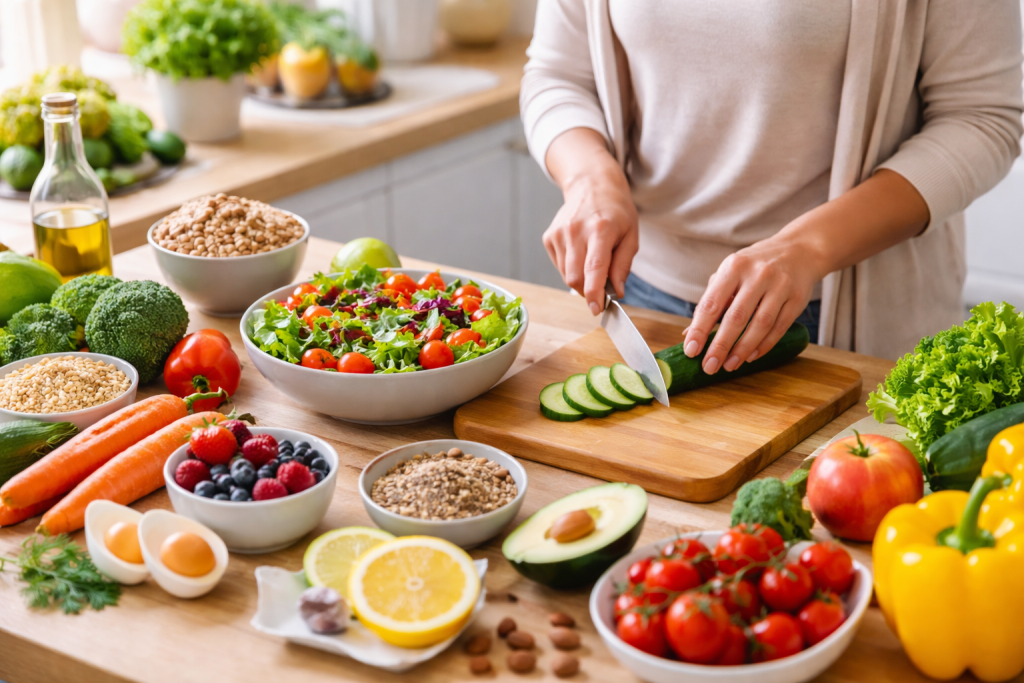
A kitchen that is overflowing with healthy options is your greatest ally in the fight against junk food. When nutritious and delicious foods are readily accessible, making the right choices becomes effortless. Shift your focus to creating an environment that supports your health goals.
The Foundation of a Healthy Pantry
Prioritise whole grains, legumes, nuts, seeds, and healthy oils. These provide sustained energy, fibre, and essential nutrients. Keep a healthy supply of dried beans, lentils, quinoa, oats, almonds, walnuts, chia seeds, and olive oil.
Embracing Fresh Produce: The Colorful Core
Fresh fruits and vegetables should be the stars of your culinary repertoire. Aim for a rainbow of colours to ensure a wide range of vitamins, minerals, and antioxidants. Keep your refrigerator stocked with various seasonal produce.
Lean Proteins for Sustained Energy and Satiety
Include lean sources of protein in your diet to help you feel full and satisfied. This includes chicken breast, turkey, fish, eggs, tofu, beans, and lentils. Having these on hand makes meal preparation simpler and healthier.
Healthy Dairy and Dairy Alternatives
Opt for plain yoghurt, milk, or fortified plant-based alternatives. These provide calcium and vitamin D, important for bone health. Avoid artificially sweetened yoghurts and flavoured milks.
Snacking is an inevitable part of most people’s day, and it doesn’t have to be a nutritional disaster. By making smart substitutions, you can turn snack time into an opportunity to boost your nutrient intake and keep your energy levels stable.
Ditch the Chips, Embrace the Veggies
Instead of reaching for potato chips, try a handful of crunchy carrots, bell pepper strips, or celery sticks with a side of hummus or guacamole. The fibre and nutrients will keep you feeling satisfied for longer.
Fruit Frenzy: Sweeteners from Nature
When a sweet craving strikes, reach for a piece of fruit instead of a candy bar. Apples, bananas, berries, and oranges are packed with natural sugars, fibre, vitamins, and antioxidants.
Nuts and Seeds: Powerhouses of Goodness
A small handful of almonds, walnuts, or pumpkin seeds provides healthy fats, protein, and fibre. They are a satisfying and nutrient-dense alternative to processed granola bars or cookies.
Yogurt with a Twist: Beyond the Sugary Cup
Swap out pre-sweetened yoghurts for plain Greek yoghurt. Add your own fresh berries, a sprinkle of nuts, or a drizzle of honey for a healthier and more customisable treat.
The Popcorn Solution: Whole Grain Goodness
Instead of buttery microwave popcorn loaded with sodium and artificial ingredients, opt for air-popped popcorn with a light sprinkle of sea salt or nutritional yeast. It’s a whole grain snack that can be surprisingly filling.
The foundation of a healthy diet lies in how you structure your meals. Planning ahead ensures that you have access to nutritious options throughout the day, minimising the temptation to grab unhealthy convenience foods when hunger strikes.
The Plate Method: A Visual Guide
Visualise your plate as being divided: half of it filled with non-starchy vegetables, one quarter with lean protein, and the remaining quarter with whole grains or starchy vegetables. This simple visual guide helps ensure a good balance of nutrients.
Incorporating Fiber for Fullness and Digestion
Fibre is a crucial component of a healthy diet, promoting satiety and aiding digestion. Ensure each meal includes sources of fibre like whole grains, legumes, fruits, and vegetables.
The Importance of Lean Protein at Every Meal
Protein is essential for building and repairing tissues, and it also plays a key role in keeping you feeling full. Include a source of lean protein in every meal, whether it’s chicken, fish, beans, tofu, or eggs.
Smart Carbohydrate Choices: Fueling Your Body Wisely
Choose complex carbohydrates over refined ones. Whole grains, sweet potatoes, and oats provide sustained energy and essential nutrients, unlike white bread and sugary cereals that can lead to blood sugar spikes.
Hydration: The Underestimated Nutrient
Water is vital for countless bodily functions, including digestion, nutrient absorption, and energy levels. Make sure you are drinking enough water throughout the day, and limit sugary beverages.
Cravings are a natural part of the human experience, especially when transitioning to a healthier diet. The key to overcoming them is to understand their triggers and to develop effective strategies for managing them without succumbing to temptation.
Identifying Your Triggers
Pay attention to when and why cravings occur. Are they linked to stress, boredom, specific times of day, or certain social situations? Identifying these triggers is the first step in developing coping mechanisms.
The Power of Distraction and Delay
When a craving hits, try to distract yourself for 10-15 minutes. Engage in an activity you enjoy, go for a walk, call a friend, or even just do a few chores. Often, the intensity of the craving will subside.
Mindful Eating: Savoring Every Bite
When you do eat, do so mindfully. Pay attention to the taste, texture, and smell of your food. This can help you feel more satisfied with smaller portions and appreciate the nourishment you are receiving.
Healthy Alternatives to the Rescue
Have a repertoire of healthy snacks and meals readily available. If you’re craving something sweet, have some fruit or a small piece of dark chocolate. Grab some unsalted nuts if you’re in the mood for something salty.
Seeking Support and Accountability
Don’t be afraid to lean on others for support. Share your goals with friends or family, join a support group, or consider working with a nutritionist or health coach. Accountability can be a powerful motivator.
Fast food offers undeniable convenience, but its nutritional cost is often too high. Fortunately, with a little planning and creativity, you can recreate many of your favourite fast-food dishes at home using healthier ingredients.
The Homemade Burger Revolution
Skip the greasy drive-thru burger and make your own at home. Use lean ground turkey or chicken, or opt for a veggie burger. Choose whole-wheat buns, load them with fresh lettuce, tomato, onion, and avocado, and use healthier condiments.
Baked, Not Fried: The Crispy Alternative
Instead of deep-fried fries, try baking your own sweet potato or regular potato wedges. Toss them with a little olive oil, salt, and pepper, and bake until golden and crispy.
Healthier Pizza Perfection
Make your own pizza using a whole-wheat crust or a cauliflower crust. Top it with a tomato sauce that’s low in added sugar, plenty of vegetables, and a moderate amount of cheese.
The Salad Supercharge
Transform your salad from a boring side dish into a satisfying meal. Include lean protein like grilled chicken or fish, plenty of colourful vegetables, and a light, homemade vinaigrette.
Takeout Transformation: Healthier Versions at Home
You can easily replicate many ethnic cuisines’ delicious and healthy options at home. For example, stir-fries with lean protein and loads of vegetables can be a fantastic alternative to greasy takeout.
Fruits and vegetables are the cornerstones of a healthy diet, providing an abundance of vitamins, minerals, fibre, and antioxidants. Making them a more prominent part of your meals and snacks is a straightforward yet incredibly impactful way to improve your overall health.
The Breakfast Boost
Add berries to your oatmeal or yoghurt. Blend spinach or kale into your morning smoothie. Sauté some mushrooms and tomatoes to have alongside your eggs.
Lunchtime Power-Up
Pack a colourful salad with your lunch, or add extra vegetables to your sandwiches and wraps. Have a side of vegetable sticks with hummus or a fruit for dessert.
Dinner Delights
Fill half your plate with steamed, roasted, or sautéed vegetables. Incorporate them into your main dishes, such as by adding extra veggies to pasta sauces, curries, or chilli.
Snack Savvy
Keep a bowl of fresh fruit on your counter for quick grabbing. Have pre-cut vegetable sticks readily available for snacking. Berries are also a fantastic and easy snack option.
The Frozen Advantage
Don’t underestimate the nutritional value of frozen fruits and vegetables. They are often frozen at their peak ripeness and can be a convenient and cost-effective way to ensure you always have produce on hand.
The transition to a healthier diet isn’t a destination; it’s a continuous journey. Sustaining these positive changes requires ongoing commitment, self-awareness, and a balanced approach that prioritises nourishment and well-being over restriction.
Embracing Flexibility and Balance
Life happens, and there will be occasions when you indulge. The key is to not let these moments derail your progress. Practise moderation and return to your healthy eating habits as soon as possible.
Continuous Learning and Adaptation
The world of nutrition is ever-evolving. Stay curious and continue to learn about healthy eating. Be open to trying new recipes and adapting your approach as your needs and preferences change.
Nurturing a Positive Relationship with Food
Shift your focus from dieting to nourishing your body. View food as fuel and a source of pleasure, rather than as a reward or punishment. Cultivate gratitude for the sustenance your food provides.
Listening to Your Body’s Signals
Pay attention to how different foods make you feel. Notice your energy levels, your digestion, and your overall mood. Your body will often tell you what it needs.
Celebrating Progress and Enjoying the Journey
Acknowledge and celebrate your achievements along the way. Embrace the positive changes you’ve made and enjoy the many benefits of a healthy, vibrant lifestyle. This journey is about building a more resilient and energetic you for years to come.

About LifeViora
Welcome to LifeViora—your trusted guide to balanced living and everyday wellness.
At Life Viora, we believe that a healthy and fulfilling life is built on simple, consistent habits. Founded by Maya Ali, this platform shares practical tips and easy strategies to help you improve your daily life, stay healthy, and live with balance.