

The relentless hum of modern life often drowns out our inner peace, leaving us feeling overwhelmed and depleted. The constant demands of work, personal relationships, and societal expectations can chip away at our mental well-being, creating fertile ground for stress to flourish. However, achieving a calmer, more resilient state of mind is not an insurmountable task. It requires a conscious and consistent effort to integrate practices that nourish our mental health. By embracing a holistic approach that addresses our physical, emotional, and social needs, we can effectively reduce daily stress and cultivate lasting mental well-being.
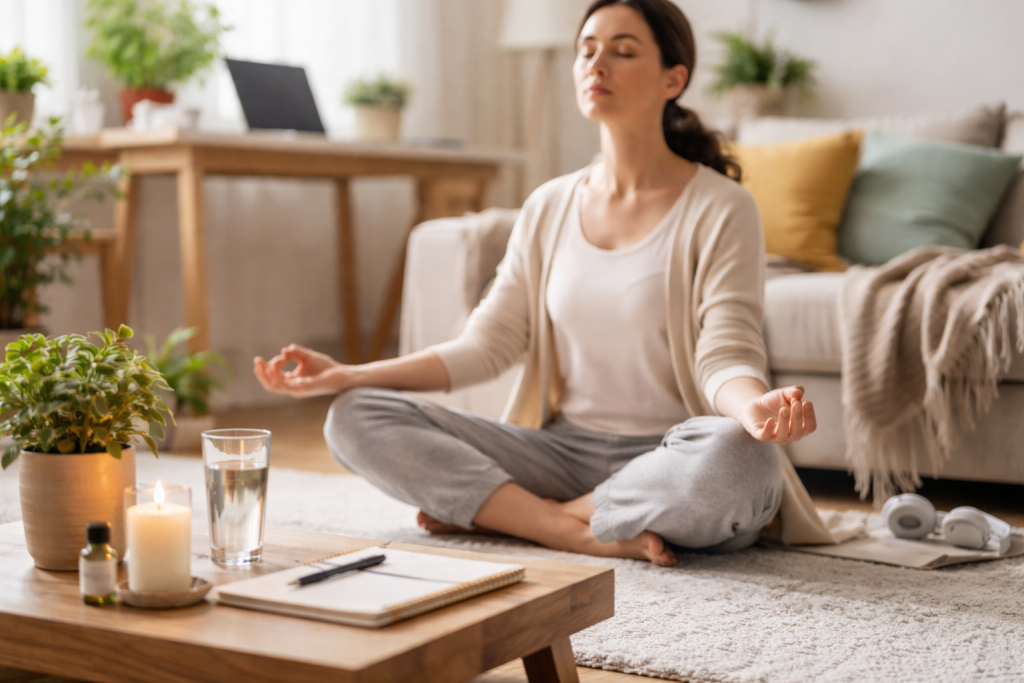
Self-care is often misconstrued as a luxury, an indulgence to be reserved for when we have “extra” time. In reality, it is a fundamental necessity, the bedrock upon which our mental resilience is built. Without adequate self-care, we are like a car running on an empty tank, destined to sputter and break down. It’s about proactively tending to our needs so that we are better equipped to handle the inevitable challenges that life throws our way. It’s not selfish; it’s strategic.
Contents
- 1 Understanding the Spectrum of Self-Care
- 2 Finding Your Movement Motivation
- 3 Demystifying Mindfulness and Meditation
- 4 Understanding the Importance of Boundaries
- 5 The Power of Genuine Connection
- 6 Taking Control of Your Schedule
- 7 Finding Your Personal Oasis of Calm
- 8 Recognizing the Signs and Symptoms
- 9 Nourishing Your Body and Mind
- 10 The Psychology of Space
Understanding the Spectrum of Self-Care
Self-care encompasses a wide array of activities, and what constitutes effective self-care is highly personal. It’s not about adhering to a rigid set of rules but about discovering what truly recharges and replenishes you. For some, this might involve quiet introspection, while for others, it might be a vigorous physical activity or a creative pursuit. The key is to identify these activities and make them a non-negotiable part of your routine.
Emotional Self-Care
This involves acknowledging and validating your emotions without judgement. It means allowing yourself to feel sadness, anger, or frustration and finding healthy outlets for these feelings. Journaling, talking to a trusted friend, or engaging in creative expression can all be powerful forms of emotional self-care. It’s about creating a safe space for yourself to process what you’re experiencing.
Physical Self-Care
Our physical and mental health are inextricably linked. Neglecting our physical needs will inevitably take a toll on our mental state. This includes ensuring adequate sleep, nourishing our bodies with healthy food, and engaging in regular physical activity. It’s the fundamental care we provide to the vessel that carries our mind.
Mental Self-Care
This aspect of self-care focuses on stimulating our minds in positive ways, protecting ourselves from mental exhaustion, and fostering a sense of curiosity and growth. This could involve reading, learning new skills, engaging in puzzles, or simply taking breaks from cognitively demanding tasks. It’s about engaging with the world and our own thoughts in a way that is enriching.
Social Self-Care
While it might seem counterintuitive to seek out social interaction when feeling drained, nurturing our social connections is vital for mental well-being. This involves spending time with loved ones who uplift and support us, engaging in meaningful conversations, and feeling connected to a community. It’s about remembering that we are not alone and that shared experiences can offer immense solace and strength.
The benefits of regular physical activity extend far beyond aesthetics; it is a potent weapon against stress and a powerful catalyst for improved mental well-being. The endorphins released during exercise act as natural mood boosters, effectively combating feelings of anxiety and depression. Furthermore, exercise provides a healthy outlet for pent-up energy and frustration, allowing us to physically process and release tension.
Finding Your Movement Motivation
The most effective exercise routine is one that you can sustain. This means finding activities that you genuinely enjoy, rather than forcing yourself to endure something you dread. Trying different forms of exercise, from brisk walks in nature to energetic dance classes or serene yoga sessions, can help you discover what resonates with your body and mind.
Aerobic Exercise for Mood Enhancement
Activities that elevate your heart rate and breathing, such as running, swimming, cycling, or brisk walking, are particularly effective in releasing endorphins. These feel-good chemicals not only improve mood but also help to reduce the physiological effects of stress, such as elevated blood pressure and heart rate. Aim for at least 150 minutes of moderate-intensity aerobic activity per week.
Strength Training for Stress Management
While aerobic exercise is often highlighted for its mood-boosting effects, strength training also plays a crucial role in managing stress. Building muscle mass can improve your body’s ability to manage stress hormones and can also boost self-esteem and confidence, which are vital for mental well-being. Incorporating weightlifting, bodyweight exercises, or resistance band training a few times a week can be highly beneficial.
The Importance of Consistency Over Intensity
It’s more important to engage in regular, moderate exercise than to sporadically push yourself to extreme limits. Consistency allows your body and mind to adapt and reap the cumulative benefits of physical activity. Even short bursts of movement throughout the day can make a significant difference in managing stress levels.
In a world constantly vying for our attention, the ability to anchor ourselves in the present moment is a revolutionary act of self-preservation. Mindfulness and meditation are ancient practices that offer powerful tools for quieting the mental chatter, reducing rumination, and fostering a deeper sense of peace and clarity. They are about training our minds to be more focused, less reactive, and more accepting of our experiences.
Demystifying Mindfulness and Meditation
Often, these practices are viewed as something that requires hours of dedicated sitting or an innate ability to achieve a perfectly blank mind. This couldn’t be further from the truth. Mindfulness is simply the practice of paying attention to the present moment without judgement, and meditation is a more formal technique to cultivate that awareness.
The Art of Mindful Observation
Mindfulness can be woven into the fabric of our daily lives by bringing intentional awareness to everyday activities. This could involve savouring the taste and texture of your food, paying attention to the sensations of your breath as you walk, or truly listening to a conversation without formulating your reply. It’s about engaging all your senses and being fully present.
Guided Meditation for Accessible Stillness
For those new to meditation, guided sessions can be incredibly helpful. There are numerous apps and online resources that offer guided meditations tailored to various needs, such as reducing anxiety, improving sleep, or cultivating self-compassion. These guided journeys provide a gentle introduction to the practice, helping you to focus your attention and experience moments of stillness.
The Benefits of a Regular Practice
Even a few minutes of meditation or mindful breathing each day can yield significant benefits. It can help to lower stress hormones, improve focus and concentration, reduce symptoms of anxiety and depression, and enhance emotional regulation. The cumulative effect of a consistent practice is a more resilient and serene mind.
In the constant push and pull of our social and professional lives, our capacity to protect our time, energy, and emotional well-being hinges on our ability to establish and maintain healthy boundaries. The art of saying “no” is not an act of selfishness or refusal but a necessary declaration of self-respect and a commitment to prioritising our own needs. Without boundaries, we risk becoming overextended, resentful, and depleted.
Understanding the Importance of Boundaries
Boundaries are the invisible lines we draw around ourselves to define what is acceptable and what is not in terms of how others interact with us. They are the protective shields that prevent us from being overwhelmed by the demands and expectations of others. When we fail to set boundaries, we implicitly communicate that our own needs are less important.
Identifying Your Personal Limits
The first step in setting effective boundaries is to understand your own limitations. This involves paying attention to what drains your energy, what causes you to feel overwhelmed, and what situations leave you feeling resentful. Self-awareness is crucial in determining where your boundaries need to be drawn.
Asserting Your Needs with Clarity and Kindness
Learning to say “no” gracefully and assertively is a skill that can be developed with practice. It’s not about being aggressive but about being clear and respectful about your limits. Phrases like, “I appreciate you asking, but I’m unable to commit to that right now,” or “I need to prioritise other commitments at the moment,” can be effective.
The Ripple Effect of Saying Yes Too Often
Constantly saying “yes” to every request, even when you are already stretched thin, can lead to burnout, diminished quality of work, and strained relationships. It can also foster a sense of being taken advantage of. Learning to say “no” strategically allows you to say “yes” to the things that truly matter and align with your priorities.
Human beings are inherently social creatures, and the quality of our connections significantly impacts our mental well-being. A strong and supportive social network acts as a buffer against stress, providing a sense of belonging, validation, and practical assistance when we need it most. These relationships are not just pleasant additions to life; they are essential for emotional resilience.
The Power of Genuine Connection
In an age of superficial online interactions, it’s crucial to cultivate deep, meaningful connections with people who genuinely care about you. These are the individuals who will listen without judgement, offer encouragement when you’re down, and celebrate your successes.
Nurturing Existing Relationships
Invest time and effort in nurturing the relationships you already have. This could involve scheduling regular catch-ups with friends and family, reaching out to check in, or simply making an effort to be present and engaged when you are together.
Seeking Out New Connections
If your social circle feels limited, be open to forming new connections. This could involve joining social clubs, volunteering for causes you care about, or participating in activities that align with your interests. Shared experiences are a fantastic foundation for building new friendships.
The Importance of Reciprocity
Healthy relationships are built on a foundation of reciprocity. While it’s important to seek support, it’s equally important to be a supportive presence for others. Being a good listener, offering help when you can, and showing appreciation strengthens your bonds.
Feeling constantly overwhelmed by your workload and to-do lists? Effective time management is not just about being productive; it’s about reclaiming a sense of control over your day, reducing stress, and creating space for the activities that truly nourish your well-being. When you feel like you’re constantly playing catch-up, stress levels inevitably soar.
Taking Control of Your Schedule
Time management is a skill that can be learned and honed, and the rewards are significant. It allows you to allocate your energy more wisely, prioritise what’s important, and avoid the debilitating feeling of being overwhelmed.
Prioritization and Planning
Begin by clearly identifying your priorities. What absolutely needs to get done? What can wait? Tools like to-do lists, digital calendars, and the Eisenhower Matrix can help you to categorise tasks based on urgency and importance, allowing you to focus your efforts effectively.
Breaking Down Large Tasks
Enormous tasks can often feel paralysing. By breaking them down into smaller, more manageable steps, you make them less daunting and more achievable. This creates a sense of progress and momentum, which is a powerful antidote to stress.
The Value of Scheduled Downtime
Just as important as scheduling work tasks is scheduling time for relaxation, hobbies, and connection. These periods of rest and rejuvenation are not optional extras; they are essential for preventing burnout and maintaining overall well-being.
Beyond structured practices like meditation, there are numerous accessible and enjoyable ways to actively engage in relaxation, actively unwinding the physical and mental tension that accumulates throughout the day. These techniques offer immediate relief and contribute to a sustained sense of calm.
Finding Your Personal Oasis of Calm
The pursuit of relaxation is a personal journey, and what works for one person may not work for another. Experiment with various methods to discover what brings you a sense of ease and rejuvenation.
Deep Breathing Exercises
Simple yet profound, deep breathing exercises can instantly calm the nervous system. Focusing on slow, deep inhales and exhales can signal to your body that it’s safe to relax, reducing heart rate and blood pressure.
Progressive Muscle Relaxation
This technique involves systematically tensing and then releasing different muscle groups in your body. It helps you become more aware of physical tension and learn to consciously release it, promoting a sense of deep physical relaxation.
Engaging Your Senses
Simple pleasures like listening to calming music, taking a warm bath, enjoying a cup of herbal tea, or spending time in nature can be powerful relaxation tools. Engaging your senses in a positive and calming way redirects your attention away from stressors and into the present moment.
While self-care strategies and lifestyle adjustments are incredibly powerful, there are times when the weight of stress and mental health challenges becomes too much to bear alone. Reaching out for professional help is a sign of strength, not weakness, and can be a transformative step towards recovery and improved well-being.
Recognizing the Signs and Symptoms
It’s important to be attuned to the signs that your stress levels or mental health concerns are becoming unmanageable. This might include persistent feelings of sadness or anxiety, difficulty sleeping, loss of interest in activities you once enjoyed, changes in appetite, or feelings of hopelessness.
The Role of Therapists and Counselors
Therapists and counsellors are trained professionals who can provide a safe and confidential space to explore your thoughts and feelings. They can offer coping mechanisms, help you to understand the root causes of your stress, and develop personalised strategies for managing your mental health.
Medical Professionals and Mental Health
In some cases, medication may be a beneficial component of a mental health treatment plan. Consulting with a doctor or psychiatrist can help to determine if medication is appropriate for you and to manage any underlying physical conditions that might be contributing to your stress.
The Importance of Early Intervention
Seeking help sooner rather than later can often prevent issues from escalating. Don’t hesitate to reach out to a professional if you feel overwhelmed or if your mental well-being is significantly impacting your daily life. There is no shame in seeking support.
Prioritising The food we consume has a profound impact on our mood, energy levels, and overall mental well-being. While it’s tempting to reach for comfort foods when stressed, these often provide only temporary relief and can ultimately exacerbate feelings of sluggishness and low mood. Prioritising a balanced and nutritious diet is a cornerstone of effective stress management.
Nourishing Your Body and Mind
A diet rich in whole, unprocessed foods provides the essential nutrients our brains and bodies need to function optimally. This translates to more stable energy levels, improved mood regulation, and enhanced resilience to stress.
The Impact of Whole Foods
Focus on incorporating a variety of fruits, vegetables, lean proteins, and whole grains into your diet. These foods are packed with vitamins, minerals, and antioxidants that support brain health and reduce inflammation, which can be linked to mood disorders.
Limiting Stress-Inducing Culprits
Be mindful of the foods and beverages that can negatively impact your mental state. Excessive caffeine, sugar, and processed foods can lead to energy crashes, anxiety, and disrupted sleep patterns, all of which contribute to stress.
The Hydration Connection
Dehydration can have a significant impact on cognitive function and mood. Ensuring you drink an adequate amount of water throughout the day is a simple yet crucial aspect of maintaining both physical and mental well-being.
The spaces we inhabit have a surprisingly potent influence on our mental state. A cluttered, disorganised, or negative environment can contribute to feelings of overwhelm and anxiety, while a clean, organised, and positive space can foster a sense of calm, control, and well-being. It’s about making your surroundings work for you, not against you.
The Psychology of Space
Our external environment often mirrors our internal state. When our physical surroundings are chaotic, it can be difficult to achieve inner peace. Conversely, a well-ordered and aesthetically pleasing environment can have a soothing and uplifting effect.
Decluttering for Mental Clarity
Begin by decluttering your physical space. Get rid of items you no longer need or use. A minimalist approach can reduce visual noise and create a sense of spaciousness and calm. This process can also be symbolic of clearing mental clutter.
Organizing for Efficiency and Peace
Once you’ve decluttered, focus on organising your belongings. Having designated places for everything reduces the time and mental energy spent searching for items. This sense of order can extend beyond your physical possessions to your daily planning and routines.
Infusing Positivity into Your Surroundings
Consider incorporating elements that bring you joy and comfort into your environment. This might include plants, artwork, photographs, or soothing colours. Personalising your space to reflect your personality and values can significantly enhance your sense of well-being.

About LifeViora
Welcome to LifeViora—your trusted guide to balanced living and everyday wellness.
At Life Viora, we believe that a healthy and fulfilling life is built on simple, consistent habits. Founded by Maya Ali, this platform shares practical tips and easy strategies to help you improve your daily life, stay healthy, and live with balance.