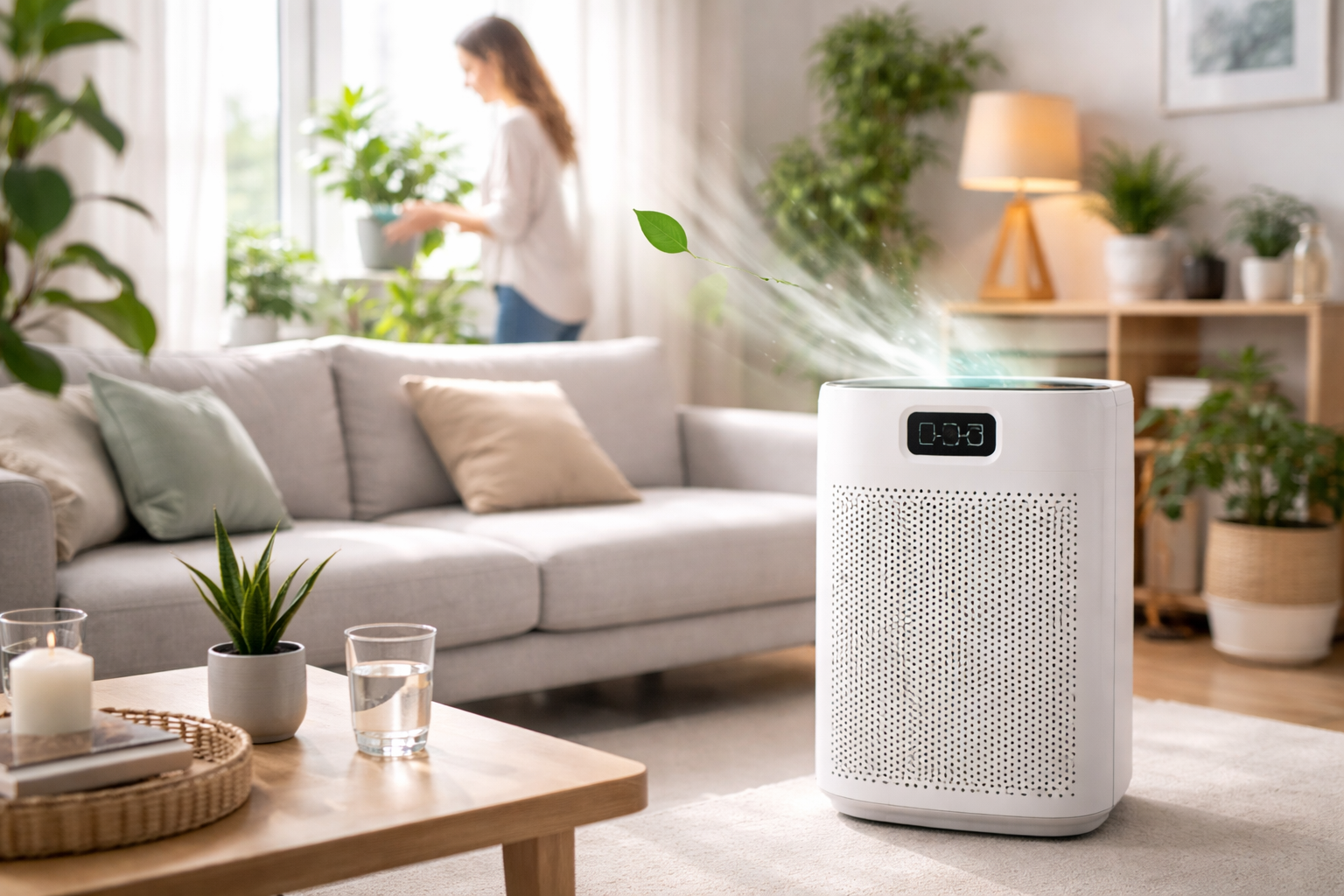

Our homes are central to our lives, providing comfort, security, and shelter. However, they are also significant consumers of energy, and a substantial portion of this energy can be wasted without us even realizing it. Understanding this energy waste is the first crucial step towards a more efficient and sustainable home. By making simple, conscious changes, we can not only reduce our environmental footprint but also significantly lower our utility bills. This journey towards energy conservation is accessible to everyone, requiring a commitment to understanding where our energy goes and how to reclaim what’s being lost.
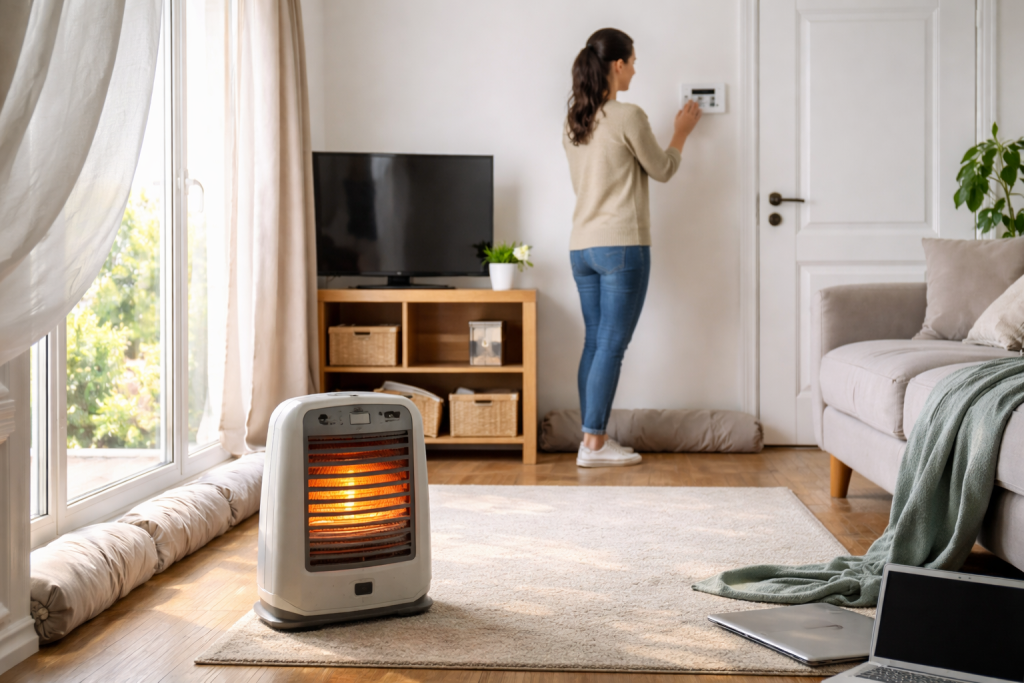
Energy waste isn’t just about leaving lights on unnecessarily; it’s a pervasive issue that can stem from various inefficiencies within your home. It’s like having holes in your pockets – money (in this case, energy) is constantly seeping out. Recognizing the patterns of consumption and the opportunities for improvement is key. This involves a holistic look at your home’s systems, from the smallest light bulb to the largest appliance, and how they interact with your living environment.
Contents
- 1 The Silent Drain: Where Energy Dissipates
- 2 The Cost of Inefficiency: Beyond the Bills
- 3 The Leaky Envelope: Air and Heat Transfer
- 4 The Hidden Parasites: Phantom Loads and Standby Power
- 5 Thermostat Smarts: Regulating Your Climate
- 6 Water Wisdom: Conserving Hot Water
- 7 Assessing Your Home’s Insulation
- 8 Attic Insulation: The Low-Hanging Fruit
- 9 Wall and Floor Insulation: Complementary Efforts
- 10 The Rise of LEDs: A Bright Future
- 11 Maximizing Natural Light: Free and Abundant
- 12 Regular Maintenance: The Key to Efficiency
- 13 Ductwork Integrity: The Hidden Pathways
- 14 Smart Thermostats: Intelligent Climate Control
- 15 Smart Plugs and Power Strips: Controlling Phantom Loads
- 16 Smart Lighting Systems: Automated Efficiency
- 17 Energy Monitoring Systems: Insightful Data
- 18 The Energy Star Label: A Mark of Efficiency
- 19 A Mindful Approach to Consumption
- 20 The Power of Collective Consciousness
- 21 Embracing a Less is More Philosophy
- 22 Understanding Your Utility Bills
- 23 Smart Meters and Home Energy Monitors
- 24 Setting Goals and Celebrating Successes
The Silent Drain: Where Energy Dissipates
Often, the most significant energy losses are silent and invisible. Think of heat escaping through poorly sealed windows and doors, or the phantom power drawn by electronics even when they’re turned off. These “vampire loads” can add up considerably over time. Understanding that energy isn’t just consumed at the flip of a switch, but also through transmission, storage, and leakage, is fundamental to tackling waste. It’s about recognizing that your home is a dynamic system, and inefficiencies in one area can directly impact others.
The Cost of Inefficiency: Beyond the Bills
While the immediate impact of energy waste is felt in our monthly bills, the long-term consequences are far more significant. The burning of fossil fuels to generate electricity contributes to greenhouse gas emissions, climate change, and air pollution. By reducing our energy consumption, we are directly contributing to a healthier planet and a more sustainable future for generations to come. The financial savings are a welcome bonus, but the environmental imperative is the driving force behind genuine energy conservation.
To effectively combat energy waste, we must first pinpoint where it’s occurring. This requires a proactive approach, a bit of detective work, and an understanding of typical points of leakage and inefficiency in residential settings. Think of it as a home health check-up, identifying areas that need attention to improve overall performance.
The Leaky Envelope: Air and Heat Transfer
One of the most prevalent sources of energy waste is related to your home’s “envelope” – the barriers that separate your conditioned indoor space from the outside environment. This includes walls, roofs, windows, doors, and foundations. Poorly sealed windows and doors, cracks in walls, and unsealed attic hatches can allow heated or cooled air to escape, forcing your heating and cooling systems to work harder and consume more energy to maintain a comfortable temperature. This constant battle against the elements is a major drain on efficiency.
Draughts and Air Leaks
Tiny gaps and cracks can act as significant pathways for air to escape. Common culprits include around window and door frames, electrical outlets and switches on exterior walls, plumbing penetrations, and where different building materials meet. These “draughts” are not just uncomfortable; they represent direct energy loss and can also contribute to moisture problems and reduced indoor air quality.
Poorly Sealed Chimneys and Fireplaces
While essential for some heating, unused fireplaces and chimneys can act like open windows, allowing conditioned air to escape up the chimney, especially when not in use. Ensuring the damper is properly sealed when the fireplace is not in operation is vital.
The Hidden Parasites: Phantom Loads and Standby Power
Many electronic devices continue to draw power even when they are switched off or in standby mode. This “phantom load” or “vampire power” can account for a surprising percentage of a household’s electricity consumption over a year. Think of your television, computer, chargers, gaming consoles, and even kitchen appliances that have digital displays or remote control capabilities.
Unplugging the Unseen
The simple act of unplugging devices when not in use can make a noticeable difference. For frequently used items that are prone to phantom loads, consider using smart power strips that can automatically cut power to connected devices when they are not in use or when a primary device (like a TV) is turned off.
Many energy-saving measures are straightforward and can be implemented without significant cost or disruption, providing immediate benefits for both your wallet and the environment.
Thermostat Smarts: Regulating Your Climate
Your heating and cooling systems are often the largest energy consumers in your home. Implementing smart thermostat strategies can lead to substantial savings. The key is to avoid conditioning your home to the same temperature when you are not actively using the space.
Setting Back the Temperature
When you’re asleep or away from home, you don’t need your house to be at its peak comfort level. Setting your thermostat a few degrees lower in the winter and a few degrees higher in the summer during these periods can significantly reduce energy consumption. Programmable thermostats make this automatic, while smart thermostats can learn your habits and adjust accordingly.
Zoned Comfort
If you have areas in your home that are rarely used, consider simply not heating or cooling them. Closing vents in unused rooms can help concentrate conditioned air where you need it most. However, be cautious about completely sealing off too many vents, as this can put a strain on your HVAC system.
Water Wisdom: Conserving Hot Water
Heating water is another major energy draw in most households. Simple changes in how you use hot water can lead to significant savings.
Shorter, Cooler Showers
Reducing the duration of your showers by even a few minutes can save a considerable amount of hot water. Furthermore, opting for slightly cooler shower temperatures whenever possible also reduces the energy needed to heat the water.
Washing Wisely
When doing laundry, always wash full loads. Running half-full machines is an inefficient use of both water and energy. Additionally, whenever possible, wash clothes in cold water. Modern detergents are highly effective in cold water, and this simple change can significantly reduce your water heating costs.
Insulation is the unsung hero of energy efficiency. It acts as a thermal barrier, preventing heat from escaping in the winter and entering in the summer. Proper insulation is a fundamental investment that pays dividends year after year in the form of lower energy bills and increased comfort.
Assessing Your Home’s Insulation
The first step is to understand what type of insulation you currently have and where it might be lacking. This can involve looking in your attic, basement, and crawl spaces. Visible gaps, thin coverage, or the absence of insulation in certain areas are all signs that improvements are needed.
Attic Insulation: The Low-Hanging Fruit
The attic is often the most critical area for insulation because heat rises. A well-insulated attic can prevent a significant amount of heated air from escaping during the winter and keep your home cooler in the summer by preventing external heat from radiating downwards. Adding more insulation in the attic is often one of the most cost-effective energy efficiency upgrades.
Types of Attic Insulation
There are various types of insulation available for attics, including fiberglass batts, cellulose (blown-in), and spray foam. Each has its advantages and disadvantages in terms of R-value (resistance to heat flow), cost, and installation complexity. Consulting with an energy auditor or insulation professional can help you choose the best option for your home.
Wall and Floor Insulation: Complementary Efforts
While attics are often the primary focus, insulating walls and floors also plays a crucial role in overall energy efficiency. Older homes may have little to no insulation in their walls, leading to significant heat loss. Insulating crawl spaces and basements can also prevent heat loss from the foundation.
Sealing Air Leaks First
Before adding new insulation, it’s essential to seal any air leaks. Insulation is designed to resist heat transfer, not to stop drafts. Sealing cracks and gaps will ensure that your insulation works effectively and prevents conditioned air from escaping.
Lighting is a visible and easily manageable area for energy conservation. Traditional incandescent bulbs are notoriously inefficient, converting a large portion of their energy into heat rather than light. Transitioning to more efficient lighting technologies can have a noticeable impact on your electricity consumption.
The Rise of LEDs: A Bright Future
Light Emitting Diodes (LEDs) are revolutionizing home lighting. They consume significantly less energy than incandescent bulbs, last much longer, and are available in a wide range of colors and brightness levels. While the initial cost might be slightly higher, the long-term savings in electricity and replacement bulbs make them a wise investment.
Replacing Incandescent Bulbs
The simplest and most effective lighting upgrade is to systematically replace all your old incandescent bulbs with LEDs. Prioritize areas where lights are frequently used, such as living rooms, kitchens, and hallways.
Maximizing Natural Light: Free and Abundant
Don’t forget the power of natural light. Maximizing its use can significantly reduce your reliance on artificial lighting during the day.
Strategic Use of Window Coverings
Open curtains and blinds during daylight hours to allow sunlight to illuminate your rooms. In the summer, however, using light-colored blinds or curtains can help reflect solar heat away from your home, reducing the need for air conditioning.
Consider Skylights and Solar Tubes
For rooms that receive limited natural light, consider installing skylights or solar tubes. These architectural features can channel natural light deep into your home, reducing the need for artificial lighting throughout the day.
Your heating, ventilation, and air conditioning (HVAC) system is a complex piece of machinery that requires regular attention to ensure optimal performance and minimize energy waste. Neglecting its upkeep can lead to decreased efficiency and even costly breakdowns.
Regular Maintenance: The Key to Efficiency
Just like a car, your HVAC system needs regular tune-ups to run efficiently. This typically involves professional servicing once a year, usually in the spring for air conditioners and in the fall for furnaces.
Cleaning and Filter Replacement
A dirty air filter is one of the most common culprits behind an inefficient HVAC system. When air filters become clogged with dust and debris, they restrict airflow, forcing the system to work harder to circulate air. Regularly cleaning or replacing these filters, as recommended by the manufacturer, is a simple yet highly effective way to improve efficiency and air quality.
Professional Inspections
Durante a professional servicing, a technician will check for refrigerant leaks, clean the coils, inspect electrical connections, and ensure that all components are functioning properly. This proactive approach can identify small issues before they become major problems, saving you money and preventing unexpected downtime.
Ductwork Integrity: The Hidden Pathways
The ductwork that distributes heated and cooled air throughout your home can be a significant source of energy loss if it’s not properly sealed and insulated. Leaky ducts can allow conditioned air to escape into unconditioned spaces, such as attics and crawl spaces, wasting significant energy.
Sealing Duct Leaks
Professional duct sealing can be a worthwhile investment. Techniques like mastic sealant or metal tape can effectively seal seams and joints in your ductwork, preventing air leaks.
Insulating Ductwork
In unconditioned spaces like attics or crawl spaces, ensuring that your ductwork is insulated is essential to prevent heat loss or gain as the air travels from your HVAC unit to your living spaces.
The advent of smart home technology has opened up new and exciting avenues for managing and optimizing energy consumption. These interconnected devices can provide greater control, offer valuable insights, and automate energy-saving measures.
Smart Thermostats: Intelligent Climate Control
As mentioned earlier, smart thermostats are a cornerstone of smart home energy conservation. Beyond basic programming, they can learn your family’s routines, adjust temperatures based on occupancy sensors, and even integrate with local weather forecasts to optimize heating and cooling schedules. Many allow for remote control via smartphone apps, giving you flexibility and control even when you’re away from home.
Smart Plugs and Power Strips: Controlling Phantom Loads
Smart plugs and power strips offer a convenient way to manage energy-consuming devices. They can be programmed to turn off appliances at specific times, monitor energy usage for individual devices, and even integrate with voice assistants for simple on/off control. This is particularly useful for tackling phantom loads from electronics.
Smart Lighting Systems: Automated Efficiency
Smart lighting systems go beyond simple dimming. They can be programmed for various scenarios, respond to motion detection, and adjust brightness based on natural light levels. This ensures that lights are only on when and where they are needed, and at the appropriate intensity, leading to significant energy savings.
Energy Monitoring Systems: Insightful Data
Some smart home systems include comprehensive energy monitoring capabilities. These systems can track your overall energy consumption, identify the biggest energy users in your home, and provide detailed reports and recommendations for improvement. Having this data at your fingertips empowers you to make informed decisions about your energy usage.
Appliances, from the refrigerator to the washing machine, are designed to make our lives easier, but they also represent a significant portion of household energy consumption. Making informed choices when purchasing appliances and being mindful of how we use them can lead to substantial energy savings.
The Energy Star Label: A Mark of Efficiency
When it’s time to replace an old appliance, look for the Energy Star label. This certification indicates that the appliance meets strict energy efficiency guidelines set by the U.S. Environmental Protection Agency. Energy Star certified appliances use less energy than standard models without, in most cases, sacrificing performance.
Refrigerators and Freezers: Constant Consumers
Refrigerators and freezers run 24/7, making them one of the most energy-intensive appliances in most homes. Ensuring that refrigerator seals are tight, setting the correct temperature, and keeping them full (but not overstuffed) can improve their efficiency. Also, consider the placement; a refrigerator in a hot garage will work harder than one in a cooler kitchen.
Washing Machines and Dryers: Hot Water and Heat
Washing machines and dryers are significant energy users, especially when using hot water and the drying cycle. As mentioned earlier, washing clothes in cold water and opting for air-drying or using the moisture sensor on your dryer can dramatically reduce their energy footprint. Regularly cleaning the lint filter in your dryer is also crucial for efficient operation and fire safety.
Other Kitchen Appliances
Ovens, dishwashers, and microwaves also contribute to your energy bill. Using smaller appliances like toaster ovens or microwaves for smaller cooking tasks can be more energy-efficient than heating up a large oven. Running dishwashers with full loads and using the air-dry setting are also beneficial.
Beyond technological upgrades and one-time fixes, developing sustainable habits is key to long-term energy conservation. These are the ongoing practices that become ingrained in our daily routines, making energy efficiency a natural part of living.
A Mindful Approach to Consumption
Cultivating a mindful approach to our energy consumption is paramount. This means being conscious of our actions and their impact. It involves asking ourselves if we truly need to use an appliance or a light at a particular moment, or if there’s a more energy-efficient alternative. This self-awareness is the foundation of lasting change.
The Power of Collective Consciousness
Encouraging energy conservation within your household is also vital. Educating family members, especially children, about the importance of saving energy can foster a shared commitment. Simple reminders, like turning off lights when leaving a room or unplugging chargers, can become ingrained habits through consistent reinforcement.
Embracing a Less is More Philosophy
Sometimes, the most effective way to conserve energy is to consume less altogether. This might involve choosing to entertain in a smaller, more intimate space rather than an entire home, or opting for activities that require less energy expenditure. This shift in perspective can lead to a more sustainable and fulfilling lifestyle.
The final, but by no means least important, step in reducing energy waste is to actively monitor and track your energy usage. This provides valuable feedback, allows you to identify trends, and helps you measure the effectiveness of the changes you implement.
Understanding Your Utility Bills
Your monthly utility bill is a treasure trove of information, even if it sometimes seems confusing. Take the time to understand the different charges and look for trends in your consumption from month to month and year to year. Many utility companies offer online portals where you can view your usage history in detail.
Smart Meters and Home Energy Monitors
Many modern homes are equipped with smart meters, which provide real-time or near real-time data on your electricity consumption. These meters can often be accessed through your utility provider’s website or app, offering a granular view of your energy usage. For even more detailed insights, consider investing in a home energy monitor. These devices can track the energy consumption of individual circuits or appliances, giving you a clear picture of where your energy is going.
Setting Goals and Celebrating Successes
Once you have a baseline understanding of your energy usage, set realistic goals for reduction. Whether it’s a percentage decrease in your monthly bill or a specific reduction in kilowatt-hours consumed, having measurable targets can keep you motivated. As you implement energy-saving measures, track your progress and celebrate your successes. This positive reinforcement can help solidify your commitment to energy conservation and inspire continued efforts towards a more sustainable and energy-efficient home.

About LifeViora
Welcome to LifeViora—your trusted guide to balanced living and everyday wellness.
At Life Viora, we believe that a healthy and fulfilling life is built on simple, consistent habits. Founded by Maya Ali, this platform shares practical tips and easy strategies to help you improve your daily life, stay healthy, and live with balance.