
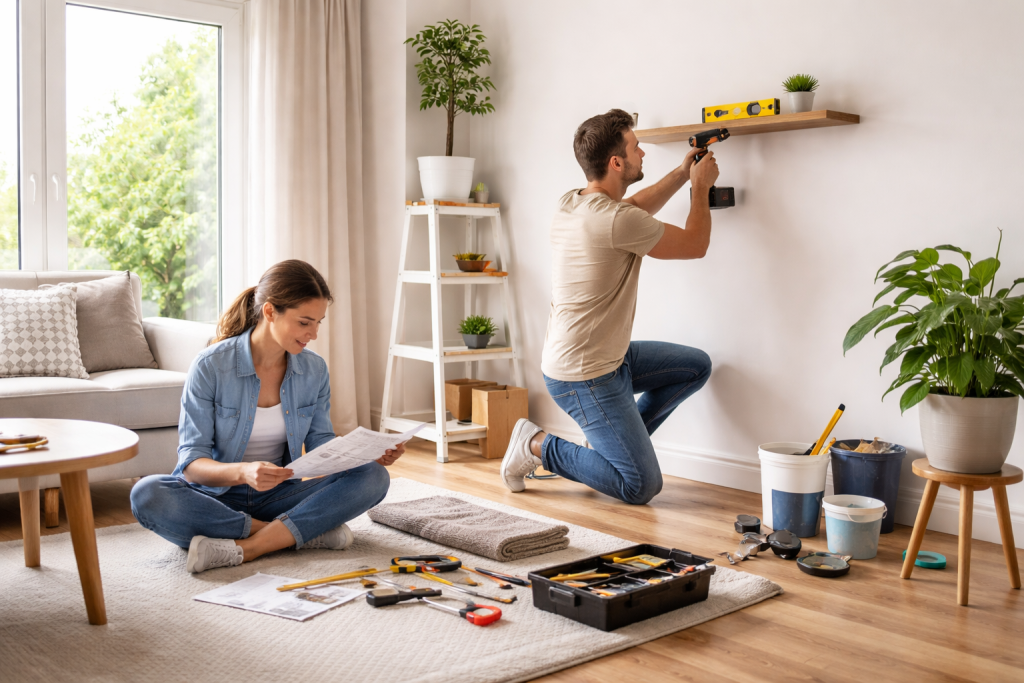
Initiating home improvement projects can be daunting, conjuring images of expensive contractors and weeks of disruption. However, with a bit of creativity, a few basic tools, and a willingness to work hard, you can achieve many impactful upgrades. Simple DIY improvement projects provide an excellent opportunity to customise your living space, enhance its functionality, and enhance its overall appeal without incurring significant costs. Whether you’re looking to inject style into your kitchen, bring comfort to your outdoor areas, or simply organise your life, there’s a DIY project to fit every need and skill level.
The kitchen is often the heart of the home, and its backsplash plays a significant role in its aesthetic. Updates often overlook this area, but a fresh backsplash can dramatically transform the entire feel of the space. Fortunately, achieving a stunning kitchen transformation doesn’t require a massive budget. There are numerous affordable and accessible DIY options that can elevate your kitchen’s style.
Contents
- 1 Peel-and-Stick Tile: The Speedy Solution
- 2 Subway Tile with Thin-Set Mortar: A More Traditional Approach
- 3 Painted Backsplash: The Ultimate Budget Solution
- 4 Selecting the Right Palette for Your Bathroom Sanctuary
- 5 The Art of Bathroom Painting: Tips for Success
- 6 Beyond Color: Adding Subtle Touches
- 7 Pallet Furniture: Rustic Charm and Sustainability
- 8 Cinder Block and Wood: Simple and Sturdy Seating
- 9 Repurposed Materials: Creative Flair and Eco-Friendliness
- 10 The Impact of Statement Fixtures
- 11 The Installation Process: Step-by-Step
- 12 Smart Lighting and Energy Efficiency
- 13 Types of DIY Wainscoting: From Simple to Sophisticated
- 14 The Installation Process for Beautiful Walls
- 15 Creative Applications and Beyond
- 16 Fresh Paint and Stain: The Immediate Impact
- 17 Adding Greenery and Decorative Touches
- 18 Simple Structural Enhancements
- 19 Assessing Your Storage Needs and Space
- 20 Designing Your Custom Closet System
- 21 Installation Tips for a Professional Finish
- 22 The Benefits of Laminate Flooring
- 23 The Installation Process: A User-Friendly Approach
- 24 Exploring Different Mediums and Techniques
- 25 The Design Process: From Inspiration to Creation
- 26 Creating Your Masterpiece: Step-by-Step
- 27 Understanding Window Insulation Methods
- 28 Draught: The Installation Process for Draft Reduction
- 29 Additional Energy-Saving Tips for Windows
Peel-and-Stick Tile: The Speedy Solution
Perhaps the easiest and most popular budget-friendly backsplash upgrade is the peel-and-stick tile. These tiles come with an adhesive backing, eliminating the need for messy grout and complex installation. They are available in a vast array of styles, from realistic subway tiles and intricate mosaics to bold geometric patterns.
Choosing the Right Style and Material
When selecting peel-and-stick tiles, consider the existing colour palette and style in your kitchen. For a classic look, subway tiles in white or a soft grey are always a safe bet. If you’re aiming for something more modern, consider hexagonal tiles or a metallic finish. Many peel-and-stick options are made from durable vinyl or a PVC composite, making them resistant to moisture and easy to clean, which is crucial for a kitchen environment.
Installation Tips for a Seamless Finish
The installation process is remarkably straightforward. Begin by thoroughly cleaning your existing backsplash to ensure proper adhesion. Measure and plan your layout, often starting from the center and working outward. Carefully peel off the backing and press the tiles firmly into place, smoothing out any air bubbles. For a professional finish, use a sharp utility knife to cut tiles around outlets and cabinet edges. Grouting is often not required with these products, which significantly speeds up the project and simplifies the clean-up.
Subway Tile with Thin-Set Mortar: A More Traditional Approach
For a slightly more involved but still budget-friendly option, consider traditional subway tiles installed with thin-set mortar. This method offers a timeless look and a more authentic tiled feel. While it requires a few more tools and a bit more patience, the results are incredibly rewarding.
Measuring and Cutting for Precision
Accurate measurements are paramount. You’ll need to calculate the square footage of your backsplash area and purchase a little extra tile to account for cuts and potential breakage. A tile saw or a manual tile cutter will be essential for creating clean edges and fitting tiles around obstacles.
The Art of Mortar and Grouting
The application of thin-set mortar requires a notched trowel to ensure an even spread. Once the tiles are set, the next crucial step is grouting. Choose a grout colour that complements your tiles – a darker grout can create a striking contrast, while a lighter grout will offer a more subtle and cohesive look. Use a grout float to press the grout into the gaps between the tiles and then wipe away the excess with a damp sponge, rinsing the sponge frequently. Allow the grout to cure fully before sealing it to protect it from stains.
Painted Backsplash: The Ultimate Budget Solution
For the absolute most budget-conscious approach, giving your existing backsplash a fresh coat of paint can work wonders. This is a fantastic option if you have plain tiles or even a painted backsplash that needs an update.
Preparation is Key for Durability
Thorough surface preparation is vital for a paint job that lasts. This involves cleaning, degreasing, and lightly sanding the surface to create a good surface for the paint to adhere to. Use a primer specifically designed for tiles or glossy surfaces to ensure optimal adhesion and a smooth finish.
Choosing the Right Paint and Technique
Opt for high-quality, durable paint formulated for kitchens. Epoxy paints, or specialised tile paints, offer excellent resistance to moisture and stains. You can also use stencils to create patterns or a faux tile effect. Consider a high-gloss or satin finish for easy cleaning and a reflective quality that can brighten the kitchen.
The bathroom, often a space for relaxation and rejuvenation, can quickly feel dated or drab without a thoughtful aesthetic. A fresh coat of paint is one of the most impactful and cost-effective ways to breathe new life into this essential room. The transformation it offers is immediate and can dramatically alter the mood and perceived size of the space.
Selecting the Right Palette for Your Bathroom Sanctuary
The colours you choose for your bathroom can profoundly influence its atmosphere. Consider the mood you wish to create. Soft blues and greens can evoke a sense of calm and serenity, perfect for a spa-like retreat. Crisp whites and light neutrals offer a clean, timeless feel and can make a small bathroom appear larger. For a bolder statement, consider a deep jewel tone or a warm, earthy hue.
Understanding Paint Finishes for Bathrooms
The finish of your paint is as important as the colour, especially in a high-moisture environment like a bathroom. Satin or semi-gloss finishes are generally recommended. They are more durable, easier to clean, and offer some resistance to mildew and moisture compared to flat or matte finishes. These finishes also reflect light, helping to brighten the space.
The Art of Bathroom Painting: Tips for Success
Painting a bathroom requires careful attention to detail, particularly around fixtures and in areas prone to moisture. Proper preparation ensures a smooth, long-lasting finish.
Prepping the Space for Perfection
Begin by removing everything from the walls – shower curtains, decor, and any hardware that can be easily detached. Thoroughly clean the walls, paying particular attention to any mould or mildew. Use a mildew-specific cleaner if necessary. Fill any holes or cracks with spackle and sand them smooth once dry. Lightly sand glossy surfaces to create a better surface for primer adhesion.
Mastering the Application for a Flawless Finish
Use painter’s tape to carefully protect trim, fixtures, and the ceiling. Apply a high-quality primer, especially if you are covering dark or bold colours. Two coats of your chosen paint are typically recommended for even coverage and durability. Use a high-quality brush for cutting in edges and corners and a roller for the larger wall areas. Work from the ceiling downwards to catch drips.
Beyond Color: Adding Subtle Touches
While a new paint colour is the primary focus, consider how paint can be used with other bathroom elements. A fresh coat of paint on an old vanity cabinet can give it a completely new look. You might also consider painting tiles if they are in good condition but the colour is undesirable, though the process requires specialised paints and meticulous preparation for longevity.
The allure of extending your living space outdoors is undeniable, and the patio or garden can become a cherished extension of your home. Creating a comfortable and inviting outdoor oasis doesn’t necessitate investing in expensive pre-made furniture. Embracing DIY patio furniture allows for customisation, affordability, and the satisfaction of building something with your own hands.
Pallet Furniture: Rustic Charm and Sustainability
Wooden pallets, often discarded, are a fantastic and sustainable resource for crafting durable and stylish patio furniture. Their rustic charm adds a unique character to any outdoor setting.
Designing Your Pallet Creations
The design possibilities with pallets are virtually limitless. You can construct simple benches, low tables, lounge chairs, or even modular seating arrangements. Sketch out your ideas and consider the available space and intended use of the furniture. Deconstructing pallets carefully to salvage the usable wood is the first step.
Essential Steps for Building with Pallets
After deconstructing, it’s crucial to sand the wood thoroughly to remove splinters and rough edges. This makes the furniture safer and prepares it for finishing. For durability outdoors, treat the wood with an exterior-grade sealant or stain to protect it from the elements. Assembly can be achieved using screws and a drill, ensuring all connections are secure. Consider adding cushions or outdoor fabric for added comfort.
Cinder Block and Wood: Simple and Sturdy Seating
A minimalist yet incredibly practical approach to DIY patio furniture involves using cinder blocks and wooden planks. This combination offers exceptional stability and can be assembled in minutes.
Versatile Configurations for Any Space
Cinder blocks can be stacked in various configurations to create a base for benches or tables. Wooden planks, cut to size, can then be laid across the blocks to form the seating or tabletop surface. This modular system allows for easy rearrangement and expansion depending on your needs.
Finishing Touches for Comfort and Aesthetics
Despite their inherent robustness, you can enhance these pieces with comfortable additions. Outdoor cushions designed for benches or chairs will provide seating comfort. If using wood for tabletops, consider sealing it to prevent water damage and staining. Painting the cinder blocks can also add a splash of colour and a more polished look to your furniture.
Repurposed Materials: Creative Flair and Eco-Friendliness
Beyond pallets and cinder blocks, countless other repurposed materials can be transformed into unique and functional outdoor furniture. Old tires can become quirky seating, cast-off doors can be turned into unique tabletops, and even discarded cable spools can serve as charming side tables.
Inspiration from the Everyday
Look at everyday items with a new perspective. What can be salvaged and given a second life? Creativity is the key here. Consider the structural integrity of the materials and how they can be safely and comfortably adapted for outdoor use.
Ensuring Durability and Safety
Regardless of the materials used, prioritising durability and safety is paramount. Ensure all repurposed items are cleaned thoroughly and any sharp edges are removed. Apply appropriate sealants, paints, or finishes to protect them from weather exposure and enhance their longevity.
Interior design often overlooks the importance of lighting. It illuminates a space and sets the mood, highlights architectural features, and can completely transform the aesthetic of your home. Upgrading your lighting fixtures is a relatively straightforward DIY project that can inject a modern, sophisticated feel into any room.
The Impact of Statement Fixtures
Replacing old, dated light fixtures with contemporary designs can have an immediate and dramatic impact. Think about the style you want to achieve. Modern design often favours clean lines, minimalist shapes, and innovative materials.
Choosing the Right Style for Your Space
Consider the overall decor of the room. For a minimalist look, opt for sleek pendant lights or recessed lighting. Industrial-inspired spaces might benefit from exposed bulb fixtures or metal sconces. For a touch of warmth, consider fixtures with natural materials like wood or woven elements.
Safety First: Electrical Work Basics
When dealing with electrical fixtures, safety is paramount. If you’re not good with basic wiring, consult an electrician. However, the physical installation of a new fixture is often quite manageable. Ensure the power is completely turned off at the breaker box before you begin.
The Installation Process: Step-by-Step
The installation of most light fixtures follows a similar procedure, generally involving removing the old fixture and wiring in the new one.
Preparation and Removal of Old Fixtures
Gather your tools: a screwdriver set, wire strippers, a voltage tester, and potentially a ladder. Turn off the power to the light circuit at your breaker box. Confirm the power is off using a voltage tester. Unscrew and carefully remove the old fixture, noting how it was wired.
Wiring and Installing the New Fixture
Identify the hot (usually black), neutral (usually white), and ground (usually green or bare copper) wires. Connect the corresponding wires from your new fixture to the home’s wiring using wire nuts, ensuring a secure connection. Follow the manufacturer’s instructions for securing the new fixture to the ceiling or wall. Once wired, turn the power back on at the breaker and test your new lighting.
Smart Lighting and Energy Efficiency
Beyond aesthetics, upgrading to smart lighting or energy-efficient LED fixtures can offer practical benefits. Smart lights allow for remote control via apps, scheduling, and dimming capabilities, adding convenience and potentially saving energy. LED bulbs consume significantly less energy than traditional incandescent bulbs, leading to lower electricity bills and a reduced environmental footprint.
Wainscoting, traditionally a decorative wood panelling applied to the lower portion of walls, adds depth, texture, and a sense of historic charm to any room. It can elevate a space from ordinary to extraordinary, providing a classic and sophisticated finish that is surprisingly achievable through DIY methods.
Types of DIY Wainscoting: From Simple to Sophisticated
There are several popular styles of DIY wainscoting, each offering a different aesthetic and varying levels of complexity.
Beadboard: A Classic and Affordable Choice
Beadboard is a popular and budget-friendly option that features vertical planks with a small bead or groove separating them. It offers a charming, cottage-like feel and is relatively easy to install.
Raised Panel and Shaker Style: Timeless Elegance
Raised panel wainscoting involves creating a raised frame around a recessed panel, offering a more formal and traditional look. Shaker-style wainscoting uses flat panels and simple rectangular frames, providing a cleaner, more transitional aesthetic. These styles typically require more precise cutting and assembly.
The Installation Process for Beautiful Walls
The installation of wainscoting involves several key steps, from planning to the final finishing touches.
Measuring and Planning Your Layout
The first step is to determine the desired height of your wainscoting and measure the perimeter of the room. Decide on the style and components you will use. Mark the desired top and bottom lines of the wainscoting on your walls. Consider how you will treat corners and transitions to other rooms for a seamless look.
Cutting and Attaching the Panels
Most DIY wainscoting kits or components come with detailed instructions. You’ll need a mitre saw for precise cuts, especially for corners. Carefully cut your panels to size and attach them to the wall using construction adhesive and finishing nails. Ensure the panels are level and securely fastened.
Filling, Sanding, and Finishing
Once the panels are attached, the next crucial step is to fill any nail holes with wood filler and then sand the entire surface smooth. This prepares the wainscoting for painting or staining. For a painted finish, apply a high-quality primer followed by two coats of your chosen paint. If you’re staining, ensure you apply multiple coats of a clear protective finish for durability.
Creative Applications and Beyond
Beyond traditional lower wall applications, consider how wainscoting can be used creatively. It can be installed on ceilings for dramatic effect, used to frame artwork, or even applied to furniture for a unique touch.
The front porch is the welcoming gateway to your home, offering the first impression to visitors and passers-by. A well-maintained and attractive front porch significantly enhances your home’s kerb appeal, making it more inviting and desirable. Fortunately, giving your front porch a stylish facelift can be achieved with a series of manageable DIY projects.
Fresh Paint and Stain: The Immediate Impact
The quickest and most effective way to revitalise a tired front porch is through paint and stain. This can transform worn surfaces and inject new life into its appearance.
Preparing the Surface for Longevity
Thorough preparation is essential for any painting or staining project outdoors. Begin by sweeping away all debris. If the porch has old, peeling paint, it will need to be scraped and sanded away. Power washing the entire porch can remove dirt, mildew, and loose debris, creating a clean surface for new finishes. Inspect for any rotten wood and make necessary repairs before proceeding.
Choosing the Right Colors and Finishes
Select exterior-grade paints and stains designed to withstand the elements. Consider how the porch colours will complement your home’s exterior. A classic approach involves painting the porch floor and steps in a neutral or complementary colour and staining the railings and porch ceiling. For a bolder statement, consider vibrant colours for accent elements.
Adding Greenery and Decorative Touches
Beyond paint and stain, incorporating plants and decorative elements can significantly enhance the charm and welcoming atmosphere of your front porch.
Planter Boxes and Container Gardening
Strategically placed planter boxes filled with colourful flowers, lush greenery, or even small trees can instantly add life and dimension. Choose containers that complement your home’s style, whether it’s rustic terracotta, modern metal pots, or classic wooden boxes.
Lighting and Hardware Updates
Consider upgrading your porch lighting. New lanterns or sconces can provide both illumination and a decorative focal point. Updating hardware such as your doorknob, house numbers, and mailbox can also offer a subtle yet significant facelift.
Simple Structural Enhancements
For those with a bit more time and ambition, simple structural enhancements can further improve the front porch’s functionality and aesthetics.
DIY Railings and Balusters
If your porch lacks railings or has a damaged structure, building simple DIY railings can improve safety and add a finished look. Various kits and tutorials are available for constructing attractive and sturdy porch railings.
Replacing or Refinishing Porch Steps
Worn or uneven porch steps can not only be unsightly but also a safety hazard. Repairing individual steps, replacing damaged boards, or completely refinishing the entire staircase can dramatically improve the porch’s appearance and your home’s overall appeal.
Clutter is a common adversary in any home, and the humble closet, often becoming a black hole for misplaced items, is a prime culprit. Implementing customised closet shelving is a remarkably effective DIY project that can bring order to chaos, maximising storage space and making it easier to find what you need.
Assessing Your Storage Needs and Space
Before you begin designing, take stock of what you need to store and analyse the existing closet space. Consider the types of items – hanging clothes, folded garments, shoes, accessories, linens, or even sporting equipment.
Measuring for Maximum Efficiency
Accurate measurements are crucial for creating custom shelving that fits your specific needs and the dimensions of your closet. Measure the width, depth, and height of the closet. Consider the placement of existing rods, shelves, and any obstructions.
Understanding Different Shelving Materials
The choice of shelving material impacts both the look and durability of your custom system. Common options include:
Plywood and MDF: Versatile and Affordable
Plywood offers good strength and durability, while Medium-Density Fibreboard (MDF) is an affordable option that creates a smooth surface for painting. Both can be cut to custom sizes.
Melamine and Laminates: Durable and Low Maintenance
Melamine-coated particleboard or laminate shelving provides a smooth, durable, and easy-to-clean surface. These are often available in pre-cut sizes or can be custom-cut.
Designing Your Custom Closet System
With your measurements and material choices in hand, you can start designing your ideal closet layout.
The Power of Adjustable Shelving
Adjustable shelving offers incredible flexibility, allowing you to adapt your storage as your needs change. Systems that utilise shelf pins and pre-drilled holes in vertical standards are great for this.
Incorporating Hanging Space and Drawers
Don’t forget the importance of hanging space. Consider adding or reconfiguring existing clothes rods to accommodate different types of garments. For smaller items, integrating drawers or bins can further enhance organisation.
Installation Tips for a Professional Finish
The installation of DIY closet shelving is a rewarding process that can dramatically improve your home’s organisation.
Cutting and Preparing Your Materials
If you are cutting your own shelving, use a circular saw or table saw for clean, straight cuts. Sand the edges smooth and, if using unfinished wood or MDF, apply a primer and paint or stain for a more finished look and added durability.
Securing Shelving for Strength and Stability
Use appropriate hardware for securing your shelves. Stud finders are essential for locating wall studs to ensure your shelves can bear the intended weight. Use heavy-duty screws and brackets for maximum stability. Ensure all shelves are level before permanently fastening them.
Outdated or worn-out flooring can significantly detract from a home’s overall appearance and feel. Laminate flooring has emerged as a popular DIY solution for homeowners seeking an affordable, durable, and aesthetically pleasing update to their floors. Its ease of installation makes it an accessible project for many.
The Benefits of Laminate Flooring
Laminate flooring offers a compelling combination of advantages that make it an attractive choice for DIY enthusiasts.
Durability and Low Maintenance
Laminate is highly resistant to scratches, dents, and stains, making it an excellent option for high-traffic areas and homes with children and pets. Its surface is also easy to clean, typically requiring only sweeping and occasional damp mopping.
Affordability and Variety
Compared to hardwood or natural stone, laminate flooring is significantly more budget-friendly. It also comes in an extensive range of styles, mimicking the look of natural wood, tile, or stone with remarkable realism.
The Installation Process: A User-Friendly Approach
One of the key appeals of laminate flooring is its click-and-lock installation system, which eliminates the need for glue or nails in most applications.
Preparing the Subfloor: The Foundation for Success
Proper subfloor preparation is crucial for a successful laminate flooring installation. The subfloor must be clean, dry, level, and free of any damage. Sweep the area thoroughly and address any imperfections. An underlayment is typically installed over the subfloor to provide cushioning, sound insulation, and a moisture barrier.
Laying the Laminate Planks: The Click-and-Lock Magic
Begin laying the laminate planks along one wall, following the manufacturer’s instructions. The click-and-lock mechanism allows each plank to securely connect to the adjacent ones. Use a tapping block and a rubber mallet to gently tap the planks into place, ensuring a tight fit. Cut planks as needed to fit around doorways and corners using a mitre saw or a specialised laminate cutter.
Finishing and Transitions: The Professional Touch
Once the main area is covered, you’ll need to install transition strips at doorways and where the laminate meets other flooring types. These strips not only provide a clean finish but also accommodate natural expansion and contraction of the flooring. Bevels or quarter-round moulding can also be used to conceal the gap between the flooring and the baseboards.
Blank walls can sometimes feel uninspired and lacking in personality. Creating your own custom wall art is a fantastic way to inject your unique style, tell a story, and transform your home into a truly personal sanctuary. DIY wall art offers endless creative possibilities, allowing you to tailor pieces to your specific tastes and budget.
Exploring Different Mediums and Techniques
The world of DIY wall art is vast and offers opportunities for various artistic inclinations.
Canvas Painting: Unleash Your Inner Artist
Painting on canvas is a traditional and rewarding medium. You don’t need to be a master painter to create stunning pieces. Simple abstract designs, geometric patterns, or even stencil-based artwork can yield beautiful results.
Mixed Media and Collage: Layering and Texture
Mixed media art involves combining different materials and techniques, such as paint, paper, fabric, and found objects, to create a rich and textured piece. Collage, a form of mixed media, is particularly accessible and allows for creative storytelling through the arrangement of various images and elements.
String Art and Geometric Designs: Precision and Pattern
String art, where nails are hammered into a board and string is wrapped around them to create designs, offers a unique and graphic aesthetic. Geometric art, using paint, wood, or even metal, can add modern sophistication to your walls.
The Design Process: From Inspiration to Creation
Embarking on a DIY wall art project begins with inspiration and a clear vision.
Finding Your Muse and Sketching Ideas
Look for inspiration online, in magazines, or in nature. Gather images and ideas that resonate with you. Once you have a general concept, sketch out your design to visualise the layout, colours, and elements. Consider the size and shape of the wall you intend to adorn.
Selecting Your Materials and Tools
The materials you choose will depend on your chosen art form. For canvas painting, you’ll need canvases, paints (acrylics are often recommended for beginners), brushes, and palettes. For string art, you’ll need wood, nails, string, and a hammer. Ensure you have the necessary tools for your specific project, such as cutting tools, adhesives, or stencils.
Creating Your Masterpiece: Step-by-Step
The actual creation of your wall art will vary based on your chosen medium, but some general steps apply.
Preparing Your Surface and Transferring Your Design
If working on canvas, ensure it’s properly primed. For other surfaces like wood or foam board, prepare them according to your project needs. If you have a detailed design, you might want to transfer your sketch onto the surface using carbon paper or by freehand.
Applying Colors and Embellishments
This is where your creativity truly shines. Carefully apply your chosen colours, paying attention to blending, shading, and layering. If working with mixed media, experiment with different textures and adhesives. For string art, follow your nail pattern precisely. Allow each layer to dry thoroughly before proceeding to the next.
Uninsulated windows are a significant source of heat loss in the winter and heat gain in the summer, leading to higher energy bills and a less comfortable home environment. Implementing DIY window insulation techniques can dramatically improve your home’s energy efficiency without the expense of replacing all your windows.
Understanding Window Insulation Methods
There are several effective DIY methods to enhance the insulation of your existing windows.
Window Insulation Film Kits: A Semi-Permanent Solution
These kits typically include a clear plastic film that adheres to the inside of your window frame and a hairdryer to shrink and tighten the film, creating an insulating air pocket. This is a cost-effective way to reduce draughts and improve thermal performance.
Draft Stopper Solutions: Sealing Gaps and Cracks
Draught stoppers, whether store-bought or homemade, are placed at the bottom of windows and doors to block air leaks. You can create your own using fabric scraps, old socks, or pool noodles cut to size and filled with insulating material like rice or sand.
Draught: The Installation Process for Draft Reduction
specialised Installing window insulation is generally straightforward and doesn’t require specialised skills.
Preparing Your Windows for Insulation
Before applying any insulation, thoroughly clean the window frames and surrounding areas. Ensure the surfaces are dry and free from dust and debris for optimal adhesion. For window film, carefully measure the windowpane and cut the film to size, leaving a small overlap.
Applying the Insulation Film
Following the kit’s instructions, attach the film to the inside of the window frame using the provided double-sided tape. Once attached, use a hairdryer on a low setting to gently heat and shrink the film. This will create a taut, transparent barrier that significantly reduces air infiltration.
Creating and Placing Draught Stoppers
For homemade draught stoppers, fill your chosen fabric casing with your insulating material. Seal the ends securely. Place these draught stoppers along the bottom of your windows, ensuring a snug fit against the windowsill. For a more permanent solution, consider applying weatherstripping to the moving parts of your windows, such as the sash and frame.
Additional Energy-Saving Tips for Windows
Beyond insulation film and draught stoppers, consider these additional measures:
Heavy Curtains and Blinds
Thick, insulated curtains or cellular blinds can provide an extra layer of insulation, especially at night or during extreme weather. Ensure they fit snugly against the window frame to maximise their effectiveness.
Inspecting and Sealing Window Frames
Regularly inspect your window frames for any cracks or gaps. Use caulk or sealant to fill any openings. This simple step can prevent significant air leakage and improve your home’s overall energy efficiency. By implementing these simple DIY improvement projects, you can transform your home, making it more beautiful, functional, and efficient, all while enjoying the satisfaction of a job well done.

About LifeViora
Welcome to LifeViora—your trusted guide to balanced living and everyday wellness.
At Life Viora, we believe that a healthy and fulfilling life is built on simple, consistent habits. Founded by Maya Ali, this platform shares practical tips and easy strategies to help you improve your daily life, stay healthy, and live with balance.