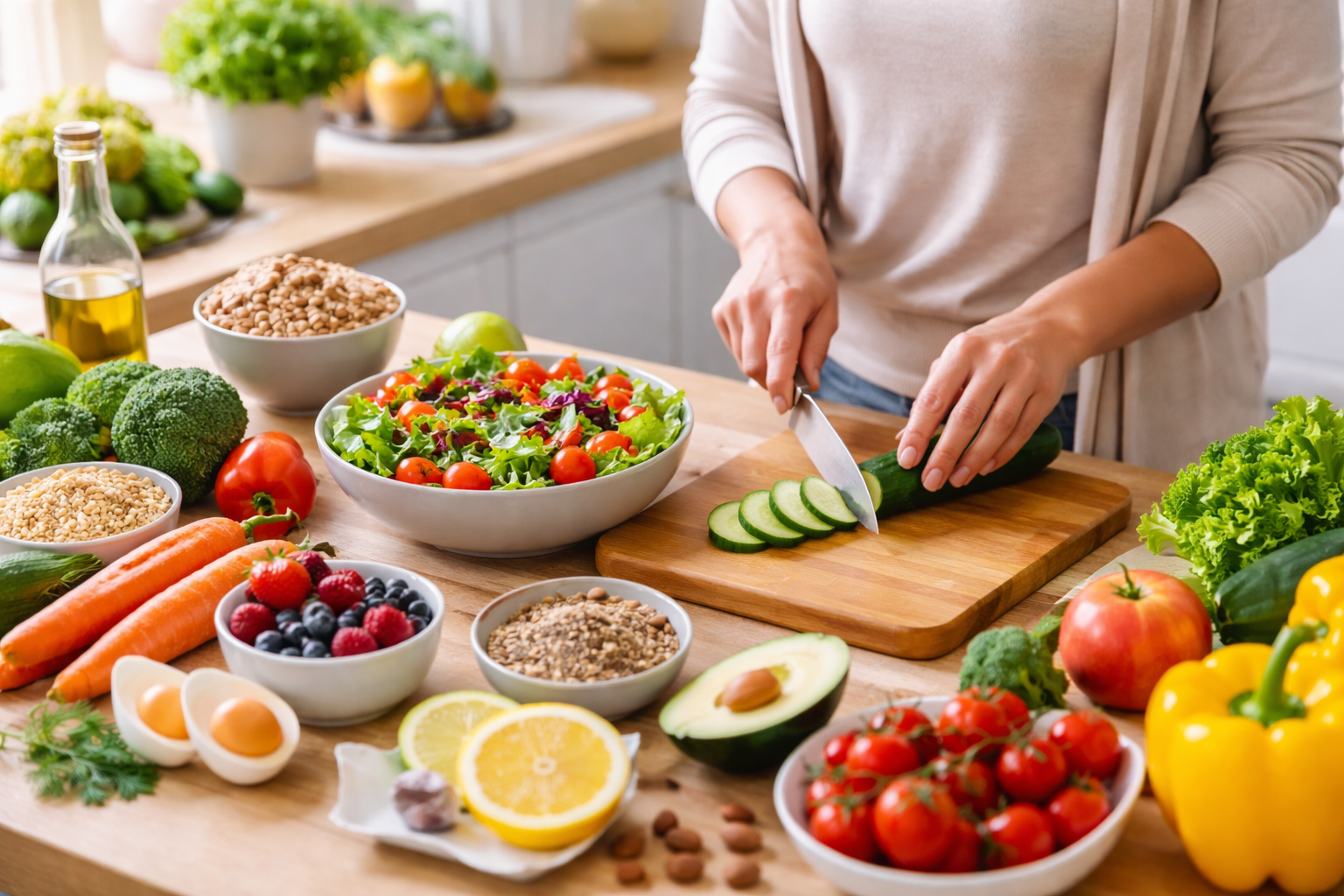

Embarking on a journey to master meal prepping can feel like a daunting task, akin to deciphering an ancient culinary alphabet. However, with a strategic approach and a few insider tips, you can transform chaotic kitchen sessions into efficient, healthy powerhouses of deliciousness. This comprehensive guide will walk you through every step, from the initial spark of inspiration to enjoying perfectly portioned, nutritious meals throughout your week. By the end, you’ll be equipped to shop like a seasoned pro, plan with precision, and create a kitchen environment that fosters healthy eating habits with ease.
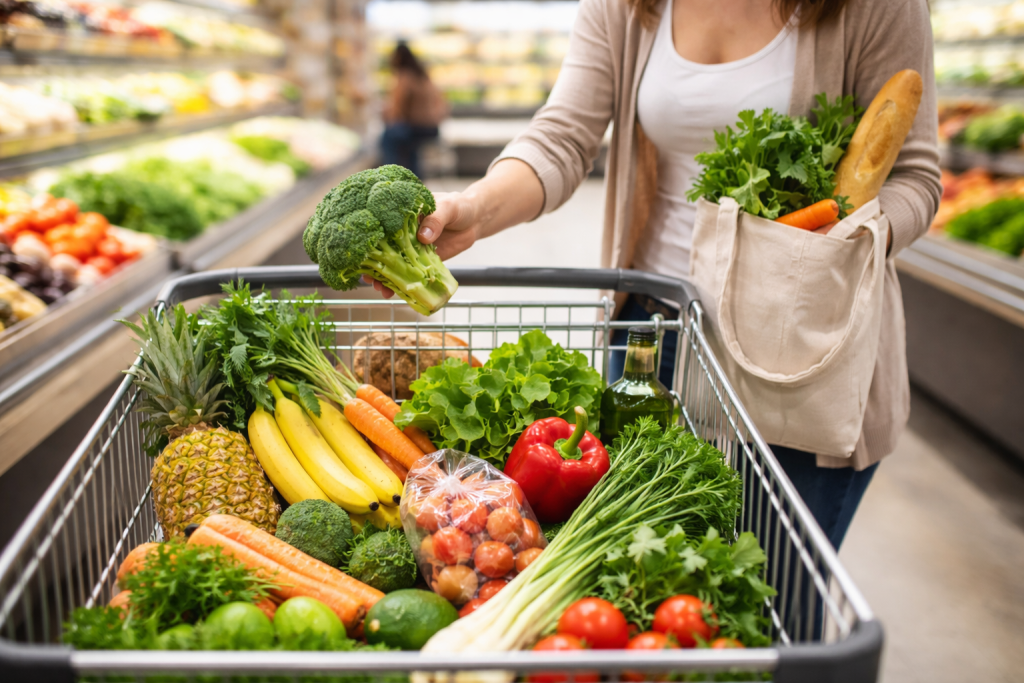
The foundation of successful meal prepping lies in mindful grocery shopping. It’s not just about filling your cart; it’s about making conscious choices that align with your health goals and your weekly meal plan. Rushing through the aisles without a clear vision can lead to impulse buys, wasted food, and ultimately, a deviation from your intended healthy eating trajectory. Investing time in planning your shopping trip will not only save you money and prevent food waste but also ensure you have the necessary ingredients to execute your meal prep with confidence.
Contents
Strategic Planning Before You Leave Home
Before you even consider stepping foot into the grocery store, a crucial step awaits you: thorough planning. This involves a detailed review of your upcoming week. Consider your schedule, any social engagements, and your energy levels. Planning your meals is the initial step in the entire meal prep process. Think about what you realistically want to eat, what kind of effort you’re willing to put in on prep days, and what flavours and cuisines appeal to you. Don’t be afraid to revisit tried-and-true recipes that are quick and easy, or to branch out and try something new if you have a bit more time.
Crafting Your Essential Grocery List
Once you’ve planned your meals, the next logical step is to transform your culinary visions into a tangible list. Go through each planned meal, ingredient by ingredient, and jot down everything you’ll need. It’s incredibly helpful to mentally walk through the process of preparing each dish to ensure you haven’t overlooked any minor items like herbs, spices, or oils. Organise your list by grocery store section—produce, dairy, pantry staples, meat, etc.—this will significantly streamline your shopping experience, minimise backtracking, and save precious time. Having a well-structured list protects you from making impulsive purchases and forgetting essentials.
Prioritizing Nutrient Density and Quality
Focus on stocking your pantry and refrigerator with foods that provide the highest nutritional value. This means choosing ingredients that are packed with vitamins, minerals, fibre, and lean proteins while being mindful of processed foods, excessive sugar, and unhealthy fats. The goal is to nourish your body with foods that provide sustained energy and support overall well-being. Embracing a diet rich in whole, unprocessed foods is a cornerstone of a healthy lifestyle and a critical component of effective meal prepping.
Embracing the Bounty of Seasonal Produce
The natural rhythm of nature offers a delicious and cost-effective way to enhance your meal prep. Shopping seasonally means you’re buying fruits and vegetables at their peak freshness, flavour, and nutritional value. These items are often more abundant, leading to lower prices and a greater variety of choices. Explore your local farmer’s markets or check what’s on sale at your regular grocery store to identify what’s in season. Think vibrant berries in summer, hearty root vegetables in fall, and crisp citrus in winter. Incorporating seasonal produce adds exciting variety to your meals and supports sustainable agriculture.
Selecting Champion Lean Protein Sources
Protein is the building block of muscle and plays a vital role in satiety, keeping you feeling full and satisfied. When selecting protein sources for your meal prep, prioritise lean options that provide essential amino acids without excessive saturated fat. This includes poultry like chicken breast and turkey, fish such as salmon and tuna, lean cuts of beef and pork, and plant-based proteins like lentils, beans, tofu, tempeh, and edamame. Exploring a variety of protein sources will ensure you’re meeting your nutritional needs and adding diverse flavours to your weekly dishes.
Smart Strategies for Nutritious Snacking
Thoughtful snacking can be a crucial tool for managing hunger, preventing overeating at meals, and maintaining steady energy levels throughout the day. The key to smart snacking is to choose options that are both satisfying and provide nutritional value, rather than reaching for processed, sugar-laden treats. Think about combining protein and fibre to create snacks that keep you satisfied longer. This approach ensures that your between-meal nourishment contributes positively to your overall health, rather than hindering it.
An organised kitchen plays a crucial role in successfully preparing meals. When your workspace is orderly and your tools are readily accessible, the entire process becomes significantly smoother and more enjoyable. Imagine the frustration of rummaging through cluttered cabinets in search of a specific pot or a missing ingredient. By dedicating a little time to decluttering and organising, you create an environment that fosters efficiency and minimises stress, making meal prep a pleasure rather than a chore.
Creating a Streamlined Prep Space
Before you begin chopping and cooking, take a moment to assess your kitchen layout. Ensure that your countertops are clear and provide ample space for food preparation. Having your cutting boards, knives, bowls, and measuring cups within easy reach will prevent unnecessary movement and interruptions. Consider investing in stackable containers, drawer organisers, or shelving units if your kitchen space is limited. A well-organised pantry and refrigerator are equally important, allowing you to quickly locate ingredients and monitor your inventory.
The Art of Batch Cooking and Freezing
One of the most powerful strategies in the meal prep arsenal is batch cooking. This involves preparing larger quantities of staple ingredients or entire meals at once, which can then be portioned and stored for later consumption. Think of cooking a big batch of grains like quinoa or brown rice, roasting a tray of vegetables, or simmering a pot of lentil soup. These prepared components can then be seamlessly incorporated into different meals throughout the week. Freezing is an excellent companion to batch cooking, allowing you to extend the shelf life of prepped meals and components, thereby further enhancing your convenience and reducing food waste.
Mastering the Art of Storage and Labeling
Proper storage and labelling are paramount to maintaining the freshness and safety of your prepped meals. Once your food is cooked and cooled, transfer it into airtight containers. Glass containers are a great choice, as they are durable, microwave-safe, and don’t retain odours. For freezing, ensure containers are freezer-safe and leave a small amount of headspace to allow for expansion. Effective labelling is a game-changer. Clearly mark each container with the contents and the date it was prepared. This not only helps you keep track of what’s in your freezer and refrigerator but also ensures you’re consuming meals within their optimal timeframe.
Meal prepping is not about eating the same bland meal day in and day out. Meal prep truly excels in enabling a diverse and balanced dietary intake. By planning ahead, you can intentionally incorporate a wide array of nutrients, flavours, and textures into your week, ensuring you’re not only eating healthily but also enjoying your food. In the realm of nutrition, variety ensures that you’re consuming a wide range of vitamins, minerals, and beneficial compounds that your body requires to flourish.
The Importance of Nutritional Diversity
A varied diet is crucial for obtaining a full spectrum of essential nutrients. Relying on only a few food groups or types of ingredients can lead to nutrient deficiencies. When planning your meals, consciously aim to include different types of vegetables, fruits, lean proteins, whole grains, and healthy fats. Experiment with different cooking methods to enhance flavours and textures. For instance, you might roast some vegetables for one meal, steam them for another, and incorporate them raw into a salad. This deliberate diversification ensures that your body receives a wide array of vitamins, minerals, antioxidants, and fibre, all of which contribute to optimal health and disease prevention.
Building Flavor and Excitement into Your Plans
Don’t let the idea of “healthy eating” conjure images of restrictive and uninspired meals. Meal prepping can be incredibly flavourful and exciting. Explore different cuisines and spices to add zest to your dishes. A simple chicken breast can be transformed with a variety of marinades or spice rubs – think lemon herb, teriyaki, or smoky paprika. Roasting vegetables with garlic and herbs, or adding a drizzle of balsamic glaze after cooking, can elevate their taste profile. Incorporate fresh herbs, citrus juices, and flavourful sauces to create dynamic and appealing meals that you’ll genuinely look forward to eating. This proactive approach to flavour building is key to long-term adherence to a healthy eating plan.
By embracing these strategies for grocery shopping, meal planning, kitchen organisation, and maintaining dietary variety, you can master the art of meal prepping and unlock a world of convenient, healthy, and delicious eating. This systematic approach transforms the potentially overwhelming task of daily cooking into a manageable and rewarding endeavour, setting you on a sustainable path to wellness.

About LifeViora
Welcome to LifeViora—your trusted guide to balanced living and everyday wellness.
At Life Viora, we believe that a healthy and fulfilling life is built on simple, consistent habits. Founded by Maya Ali, this platform shares practical tips and easy strategies to help you improve your daily life, stay healthy, and live with balance.