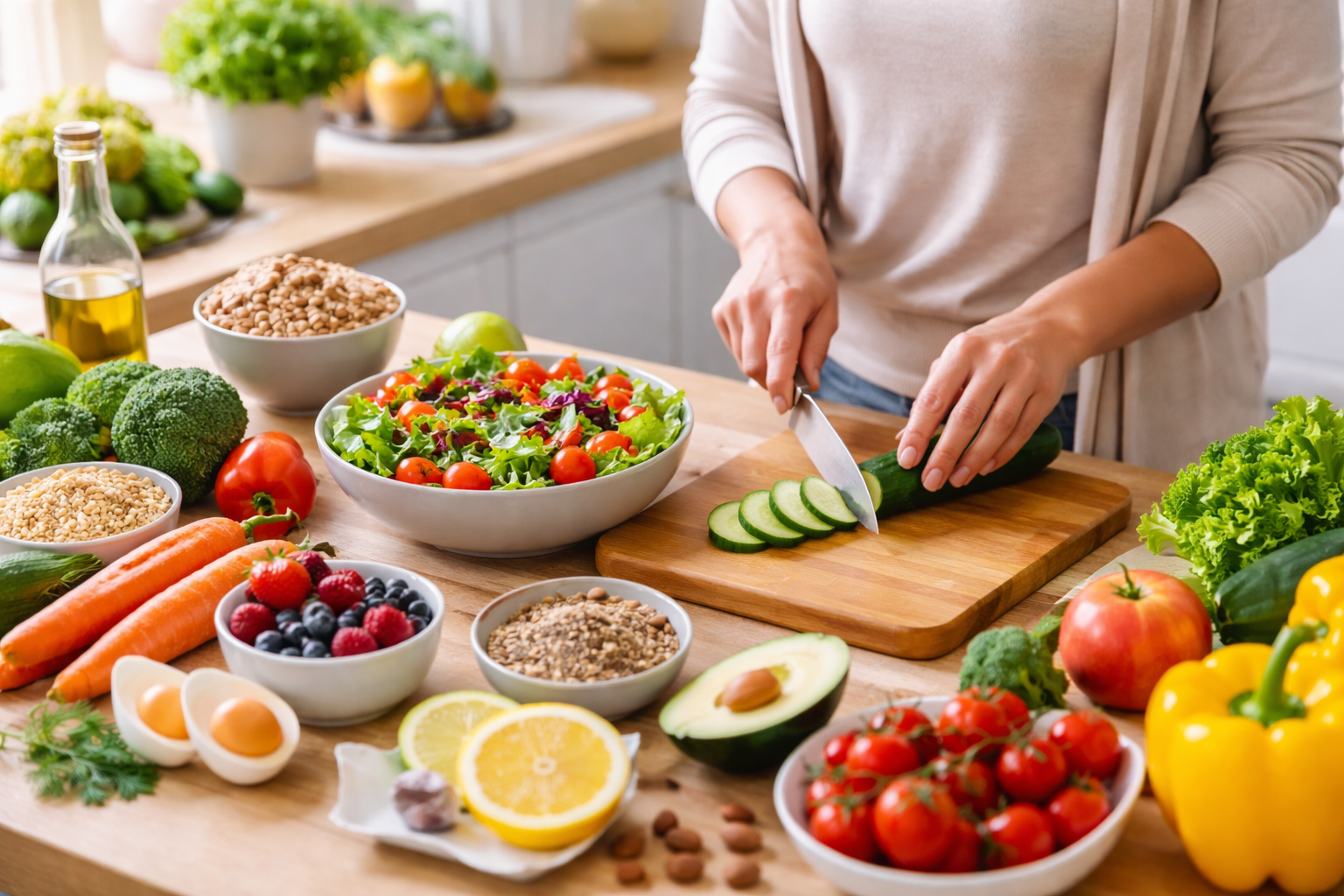

Transforming healthy eating from a chore into an adventure for children is a cornerstone of fostering lifelong positive relationships with food. Parents and caregivers often grapple with picky eaters and the challenge of ensuring their little ones receive the nutrients they need to thrive. However, with a dash of creativity and a sprinkle of intentionality, mealtimes can become vibrant, enjoyable experiences that build healthy habits. The key lies in understanding that what appeals to a child’s developing palate and curious mind can be a powerful tool in their nutritional journey. It’s not simply about what you serve, but how you present it, how involved they become, and the overall atmosphere surrounding food.
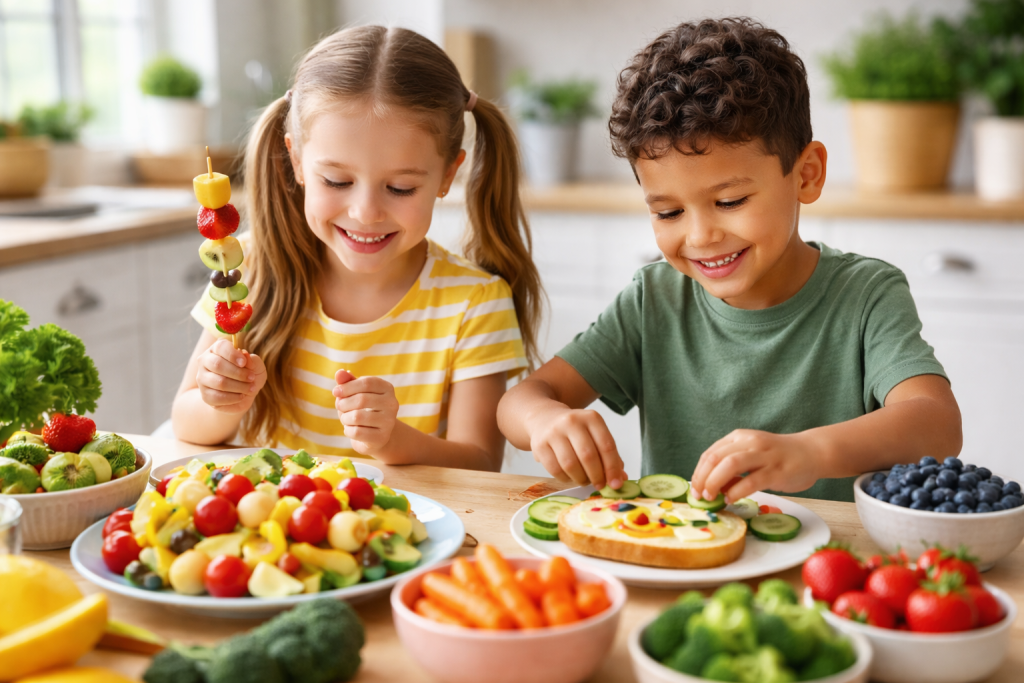
The old adage “we eat with our eyes first” holds particularly true for children. Bright colors, interesting shapes, and playful arrangements can transform a plate of wholesome ingredients into an enticing masterpiece that beckons them to explore. This isn’t about elaborate, time-consuming culinary feats; it’s about simple, clever touches that leverage the natural appeal of food. Think of turning broccoli florets into miniature trees on a plate of mashed potatoes, or using cookie cutters to shape sandwiches and fruits into stars, hearts, or animals.
Contents
- 1 Vibrant Veggies and Fruity Fun
- 2 Edible Characters and Themed Meals
- 3 Presentation is Everything: From Lunchboxes to Plates
- 4 From Menu to Masterpiece: Collaborative Meal Planning
- 5 Little Helpers, Big Contributions: Age-Appropriate Preparation Tasks
- 6 The Joy of Simple Steps: Learning Through Doing
- 7 Sweet and Savory Sensations: Flavorful Combinations
- 8 Bite-Sized Brilliance: Portability and Fun Shapes
- 9 Homemade is Happier: Healthier Alternatives
- 10 Culinary Creations in Play: Role-Playing and Imagination
- 11 Edible Science Experiments: Exploring Food Properties
- 12 The Alphabet of Edibles: Learning Through Food
- 13 A Symphony of Flavors: Introducing New Tastes
- 14 The Delight of Different Bites: Exploring Textures
- 15 Gradual Introduction: The Power of Repeated Exposure
- 16 Small Steps, Big Wins: Pairing the New with the Familiar
- 17 Family Meals: The Foundation of Healthy Habits
- 18 No Food Fights: Eliminating Pressure and Power Struggles
- 19 Celebrating Successes, Not Just Effort: Acknowledging Tastes
- 20 Consistency is Key: Routine and Predictability
- 21 Walking the Walk, Not Just Talking the Talk
- 22 The Occasional Indulgence: Balance and Moderation
- 23 Open Communication: Discussing Food Choices Together
Vibrant Veggies and Fruity Fun
The sheer spectrum of colors found in fruits and vegetables is a gift for creative food presentation. Imagine a rainbow salad with strips of red bell pepper, orange carrots, yellow corn, green cucumber, and purple cabbage. Or a fruit platter arranged like a sunburst, with orange slices for rays and a blueberry center. Even simple things like cutting cucumbers into fun shapes or creating “swirls” with yogurt and fruit purees can make a significant difference. Don’t be afraid to mix and match colors to create visually stimulating meals.
Edible Characters and Themed Meals
Children often respond well to themes. A “dinosaur” meal could feature broccoli trees and chicken nugget “bones,” while a “pirate” lunch might involve apple slices as “gold coins” and cheese cubes as “treasure chests.” You can also create “edible characters” by arranging food items to resemble faces or animals. Cucumber slices can become eyes, carrot sticks can form a smile, and a cherry tomato can be a nose. These playful touches tap into a child’s imagination and make the food itself a source of entertainment.
Presentation is Everything: From Lunchboxes to Plates
The presentation extends beyond just the individual meal. A colorful lunchbox filled with an assortment of healthy goodies can make school lunches more exciting. Consider bento-style boxes with dividers that keep different foods separate and visually organized. Even on a regular plate, simple techniques like stacking food items or creating patterns can add visual interest. Using colorful plates, bowls, and utensils can also contribute to a more enjoyable dining experience.
Children are more likely to try foods they’ve had a hand in creating. Inviting them into the kitchen, even for simple tasks, fosters a sense of ownership and pride in their meals. This involvement is a powerful tool for combating food neophobia, the fear of trying new things. It demystifies food preparation and makes them active participants rather than passive consumers.
From Menu to Masterpiece: Collaborative Meal Planning
Start by involving children in the weekly meal planning process. Ask them what healthy meals they’d like to have during the week, or let them choose a “theme” for a “family favorite” meal. You can provide them with a list of healthy options or images of dishes and let them point to their preferences. This gives them a sense of control and makes them more invested in eating what they’ve helped select.
Little Helpers, Big Contributions: Age-Appropriate Preparation Tasks
Assign age-appropriate tasks in the kitchen. Toddlers can help wash fruits and vegetables, stir ingredients, or tear lettuce. Preschoolers can measure ingredients, mash soft foods, or assemble simple snacks. Older children can chop vegetables with supervision, follow recipes, or even bake simple treats. The goal is to make them feel like valuable members of the kitchen team.
The Joy of Simple Steps: Learning Through Doing
Even seemingly insignificant tasks like arranging fruit on a platter or sprinkling herbs can be empowering for children. Talk them through what you’re doing, explain the purpose of different ingredients, and answer their questions. This hands-on learning experience builds their confidence and understanding of food. It’s a wonderful opportunity to teach them about where food comes from and the importance of healthy choices.
Snacks are often where unhealthy choices creep in. However, with a little creativity, healthy snacks can be just as, if not more, exciting and delicious than their less nutritious counterparts. The key is to make them fun, flavorful, and easy for kids to access.
Sweet and Savory Sensations: Flavorful Combinations
Think beyond plain fruit. Pair apples with a smear of peanut butter for added protein and a touch of sweetness. Create ” Ants on a Log” by filling celery sticks with cream cheese or peanut butter and topping with raisins. Yogurt parfaits layered with fruit and granola offer a satisfying crunch and creamy texture. For savory options, consider whole-wheat crackers with cheese and cucumber slices, or mini muffins made with whole grains and vegetables.
Bite-Sized Brilliance: Portability and Fun Shapes
Children often enjoy smaller, bite-sized portions. Cut sandwiches into fun shapes, create fruit skewers, or make mini vegetable muffins. These smaller portions are easier for them to handle and can seem more appealing. Consider using silicone molds to create fun-shaped fruit gummies or yogurt bites.
Homemade is Happier: Healthier Alternatives
Making your own snacks from scratch allows you to control the ingredients, reducing added sugars, unhealthy fats, and sodium. Homemade hummus with vegetable sticks, baked sweet potato fries, or energy balls made with oats, nuts, and dates are great alternatives to pre-packaged snacks. These homemade options can be just as convenient once you get into a routine.
Integrating food into playtime and learning transforms the perception of healthy eating from a rigid set of rules to an engaging exploration. These activities harness a child’s natural curiosity and desire to play, making the learning process enjoyable and memorable.
Culinary Creations in Play: Role-Playing and Imagination
Set up a play kitchen where children can pretend to cook and serve healthy meals. Provide them with toy fruits, vegetables, and utensils. Encourage them to create their own recipes and menus. This imaginative play not only reinforces the idea of healthy foods but also develops their creativity and social skills.
Edible Science Experiments: Exploring Food Properties
Engage children in simple “edible science experiments” that teach them about food. For instance, explore how fruits and vegetables change when cooked, or how to make homemade yogurt or cheese. These hands-on activities make learning about nutrition and food science an exciting adventure.
The Alphabet of Edibles: Learning Through Food
Use food as a tool for learning letters, numbers, and colors. Create alphabet snacks where each letter is represented by a food item. For example, ‘A’ for Apple, ‘B’ for Banana, ‘C’ for Carrot. You can also use food to teach counting by having them arrange a certain number of grapes or blueberries.
Many children become resistant to new foods due to unfamiliar flavors and textures. Gently introducing a variety of tastes and mouthfeels is crucial for developing a well-rounded palate and preventing picky eating habits from becoming entrenched.
A Symphony of Flavors: Introducing New Tastes
Don’t be afraid to introduce a wide range of flavors, from sweet and sour to savory and slightly bitter. Offer fruits and vegetables in their natural state, but also explore different cooking methods like roasting, steaming, or grilling, which can alter their flavor profiles. Herbs and spices can also add exciting new dimensions to familiar dishes.
The Delight of Different Bites: Exploring Textures
Children often have preferences for certain textures. Some prefer crunchy foods, while others lean towards soft and smooth options. Offer a variety of textures within meals and snacks. Think about the crunch of raw vegetables, the creaminess of yogurt, the chewiness of whole grains, and the smoothness of pureed fruits.
Gradual Introduction: The Power of Repeated Exposure
It’s important to remember that it can take multiple exposures for a child to accept a new food. Don’t get discouraged if they refuse something the first few times. Continue to offer it in different ways and at different times, without pressure. Sometimes, simply seeing a new food on the table repeatedly can lead to eventual acceptance.
Small Steps, Big Wins: Pairing the New with the Familiar
When introducing a new food, try pairing it with a familiar and well-loved dish. For example, serve a small portion of a new vegetable alongside their favorite pasta. This reduces the perceived risk and makes the new food seem less intimidating.
The overall atmosphere surrounding mealtimes plays a significant role in a child’s eating habits. A relaxed, positive, and supportive environment encourages exploration and reduces mealtime stress for both children and parents.
Family Meals: The Foundation of Healthy Habits
Prioritize family meals as often as possible. Eating together creates a sense of connection and provides a natural setting for children to observe and emulate healthy eating behaviors. It’s an opportunity for conversation and bonding, detracting from the sole focus on the food itself.
No Food Fights: Eliminating Pressure and Power Struggles
Avoid making food a battleground. Forcing children to eat or punishing them for not finishing their meals can create negative associations with food and mealtimes. Instead, offer healthy options and allow them to decide how much they want to eat from what is provided.
Celebrating Successes, Not Just Effort: Acknowledging Tastes
Offer gentle encouragement and positive reinforcement when children try new foods or make healthy choices. Focus on praising their willingness to explore rather than on whether they finished the entire portion. “I’m so glad you tasted the new berry!” is more effective than “Why didn’t you eat all your peas?”
Consistency is Key: Routine and Predictability
Establishing a regular meal and snack schedule can help regulate a child’s appetite and prevent them from becoming overly hungry or demanding. Predictable mealtimes create a sense of security and help children understand when and what to expect.
Children are incredibly observant and learn by imitation. The most effective way to encourage healthy eating in children is to be a role model yourself. Your own attitudes and behaviors around food will significantly influence theirs.
Walking the Walk, Not Just Talking the Talk
Demonstrate your own enjoyment of healthy foods. Let your children see you eating a variety of fruits, vegetables, and whole grains with enthusiasm. Talk positively about the flavors and benefits of the healthy foods you are consuming.
The Occasional Indulgence: Balance and Moderation
It’s important to strike a balance between nutritious meals and occasional treats. Completely depriving children of sweets and less healthy options can create a sense of deprivation and lead to an unhealthy fixation on these foods. Instead, teach them about moderation and incorporate occasional treats as part of a balanced diet, rather than as rewards or punishments.
Open Communication: Discussing Food Choices Together
Engage in open and age-appropriate conversations about food choices. Explain why certain foods are good for their bodies and how they help them to grow strong and play. Avoid labeling foods as “good” or “bad,” but rather discuss their nutritional benefits and how they contribute to overall health.
By embracing these strategies, parents and caregivers can transform the journey of healthy eating for children from a potential source of stress into a joyous and enriching experience that sets the stage for a lifetime of well-being. The power lies in making it fun, engaging their curiosity, and fostering a positive relationship with food that extends far beyond the plate.

About LifeViora
Welcome to LifeViora—your trusted guide to balanced living and everyday wellness.
At Life Viora, we believe that a healthy and fulfilling life is built on simple, consistent habits. Founded by Maya Ali, this platform shares practical tips and easy strategies to help you improve your daily life, stay healthy, and live with balance.