
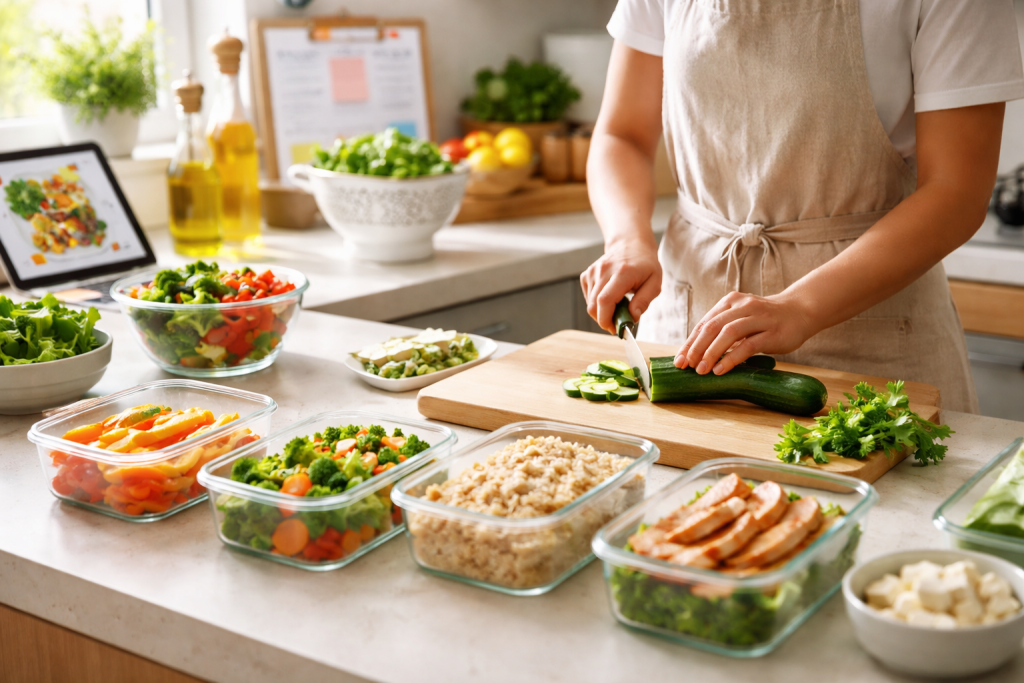
The aroma of garlic sizzling in olive oil, the satisfying sizzle of vegetables hitting a hot pan, the joy of creating a delicious meal – these are the hallmarks of a rewarding cooking experience. Yet, for many, the kitchen can feel less like a culinary sanctuary and more like a chaotic battleground. Untamed clutter, misplaced tools, and a general sense of disarray can transform the pleasure of cooking into a stressful chore. This is where the magic of kitchen organization truly shines, transforming your cooking routine from a haphazard scramble into a streamlined, enjoyable process. A well-organized kitchen isn’t just aesthetically pleasing; it’s a powerhouse of efficiency, a beacon of calm, and a catalyst for culinary creativity.
The importance of a well-organized kitchen extends far beyond mere tidiness. It profoundly impacts your cooking efficiency, reduces stress, and even contributes to healthier eating habits. Imagine always knowing exactly where to find that elusive whisk, the perfect-sized mixing bowl, or the spice you need at a critical moment. This eliminates frantic searching, wasted time, and the frustration that often accompanies a disorganized space.
Contents
- 1 Reducing Stress and Saving Time
- 2 Enhancing Food Safety and Hygiene
- 3 Inspiring Culinary Creativity
- 4 The “Keep, Donate, Discard” Method
- 5 Identifying Kitchen Zones
- 6 Storage Containers and Bins
- 7 Drawer Dividers and Organizers
- 8 Wall-Mounted Solutions and Shelving
- 9 Utilizing Vertical Space to Its Full Potential
- 10 Implementing the Zone System
- 11 Creating an Efficient Kitchen Layout
- 12 Categorizing and Labeling
- 13 Implementing a First-In, First-Out (FIFO) System
- 14 Utilizing Shelf Space Strategically
- 15 Reduced Food Waste
- 16 Healthier Eating Habits
- 17 Enhanced Enjoyment and Sense of Accomplishment
Reducing Stress and Saving Time
One of the most immediate benefits of an organized kitchen is the significant reduction in stress. When every item has a designated home, the mental burden of remembering its location is lifted. This translates directly into time saved. Instead of rummaging through drawers or peering into overloaded cupboards, you can effortlessly retrieve what you need, allowing you to focus on the cooking process itself. This saved time can be invaluable, especially on busy weekdays when every minute counts.
Enhancing Food Safety and Hygiene
A cluttered kitchen can also be a breeding ground for bacteria and cross-contamination. When surfaces are piled high with miscellaneous items, proper cleaning becomes more challenging and less frequent. Food debris can accumulate unseen, attracting pests and posing health risks. An organized kitchen, by contrast, promotes cleanliness. Clear countertops and easily accessible storage areas make routine cleaning a breeze, ensuring a hygienic environment for food preparation and storage.
Inspiring Culinary Creativity
When your kitchen is a functional and inviting space, it naturally encourages you to experiment and explore new recipes. The thought of cooking in a chaotic environment can be daunting, leading to a reliance on takeout or simple, uninspired meals. However, a well-ordered kitchen fosters a sense of calm and control, making the cooking process feel less like a chore and more like an enjoyable creative endeavor. You’re more likely to try complex dishes when you know you have all the necessary tools and ingredients readily at hand.
Embarking on the journey of kitchen organization can feel overwhelming, but the most crucial first step is decluttering. It’s an opportunity to release the grip of unused items, identify true essentials, and create space for the tools you actually need and love.
The “Keep, Donate, Discard” Method
Begin by emptying cabinets and drawers one by one. As you handle each item, ask yourself critical questions: Have I used this in the last six months? Is it broken or beyond repair? Do I have duplicates? Be honest with your answers. Create three distinct piles: “Keep” for items you regularly use and cherish, “Donate” for functional items in good condition that you no longer need, and “Discard” for broken, expired, or truly useless items. Be ruthless in this process; the goal is to eliminate anything that doesn’t serve a purpose in your culinary adventures.
Identifying Kitchen Zones
Once you’ve decluttered, take a moment to consider your kitchen’s natural zones. Think about where you typically prepare food, where you cook, where you wash up, and where you store staples. This mental mapping will be invaluable when you begin to assign homes to your “Keep” items. Tools used for specific tasks, such as baking, should be stored together in their respective zones for maximum efficiency.
A truly organized kitchen isn’t just about storage solutions; it’s also about having the right tools to maintain that order. Investing in a few key organizational aids can make a substantial difference.
Storage Containers and Bins
A bedrock of kitchen organization is a collection of uniform, airtight storage containers. These are invaluable for pantry staples like flour, sugar, pasta, and cereals. Not only do they keep food fresh and protected from pests, but their uniform sizes make stacking and maximizing shelf space incredibly easy. Clear containers are particularly beneficial, allowing you to see contents at a glance and reducing the need to open multiple containers to find what you’re looking for. Similarly, bins and baskets can tame unruly items like snack packets, cleaning supplies, or an assortment of smaller gadgets.
Drawer Dividers and Organizers
Drawers can quickly descend into chaos without proper containment. Drawer dividers, tiered inserts, and utensil trays are crucial for keeping cutlery, spatulas, whisks, and other small tools neatly categorized and easily accessible. No more rummaging through a jumbled mess to find the paring knife; everything will have its place.
Wall-Mounted Solutions and Shelving
Don’t underestimate the power of vertical space. Wall-mounted knife strips free up valuable drawer space and keep knives safely and accessibly stored. Pot racks, either overhead or wall-mounted, are excellent for decluttering cabinets and showcasing your cookware. Additional shelving, whether inside existing cabinets or as standalone units, can drastically increase storage capacity for cookbooks, frequently used dishes, or small appliances.
Once you’ve decluttered and acquired your organizational tools, the next step is to strategically arrange your kitchen to maximize every inch and create an intuitive workflow.
Utilizing Vertical Space to Its Full Potential
Look upwards! The space above cabinets, inside cabinet doors, and even under shelves can be transformed into functional storage. Stackable shelves and risers can double or even triple the usable space within cabinets. Hooks on the inside of cabinet doors can hold measuring cups, spoons, or even lightweight cutting boards. Under-shelf baskets can create additional storage for wraps, foils, or cleaning supplies.
Implementing the Zone System
Organize your kitchen based on how you use it. Store items near where they are primarily used. For example, coffee mugs and coffee-making supplies should be near the coffee maker. Pots and pans should be close to the stovetop. Dishes and glasses should be near the dishwasher or sink for easy loading and unloading. This zone system minimizes unnecessary movement and streamlines your cooking process.
Creating an Efficient Kitchen Layout
Consider the “kitchen triangle” principle (stove, sink, refrigerator) and ensure that these primary workstations are easily accessible to each other. While you may not be able to completely redesign your kitchen, you can optimize the placement of your frequently used items around these key areas. Ensure that your main prep area has ample clear countertop space, often located between the sink and the stovetop.
The pantry is often the unsung hero of a well-organized kitchen. A chaotic pantry can quickly derail even the most carefully planned meal.
Categorizing and Labeling
Group similar items together. All baking supplies should be in one section, canned goods in another, and snacks in a third. Once grouped, label shelves or containers clearly. This not only helps you find items quickly but also ensures that everyone in the household knows where to put things back, maintaining the order you’ve established.
Implementing a First-In, First-Out (FIFO) System
When putting away new groceries, make sure to move older items to the front. This “first-in, first-out” system helps prevent food waste by ensuring that ingredients are used before they expire. Regularly check expiration dates and plan meals around items that need to be used soon.
Utilizing Shelf Space Strategically
Dedicate prime shelf space to frequently used items. Less frequently used ingredients can be stored on higher or lower shelves. Consider tiered shelves or risers for canned goods to make it easier to see everything at a glance. Door organizers can hold smaller items like spices or packets, freeing up valuable shelf space.
The investment of time and effort in organizing your kitchen yields a wealth of benefits that extend far beyond a tidy appearance.
Reduced Food Waste
With a clear view of your inventory, you’re less likely to buy duplicates of items you already have. The FIFO system in your pantry ensures that food is used before it spoils, significantly reducing food waste and saving money in the long run.
Healthier Eating Habits
An organized kitchen encourages more home cooking. When cooking is less stressful and more enjoyable, you’re more inclined to prepare fresh, wholesome meals rather than resorting to convenient but often less healthy options. You can easily access ingredients for nutritious recipes, making healthy choices the path of least resistance.
Enhanced Enjoyment and Sense of Accomplishment
Ultimately, a streamlined cooking routine transforms the entire culinary experience. The satisfaction of moving seamlessly from prep to cook to clean-up, finding every tool and ingredient with ease, is immense. It fosters a sense of accomplishment, whether you’re whipping up a quick weeknight dinner or embarking on an ambitious weekend feast. Your kitchen becomes a space where creativity flourishes, stress diminishes, and the joy of cooking truly takes center stage. Embrace the power of organization, and unlock the full potential of your culinary journey.

About LifeViora
Welcome to LifeViora—your trusted guide to balanced living and everyday wellness.
At Life Viora, we believe that a healthy and fulfilling life is built on simple, consistent habits. Founded by Maya Ali, this platform shares practical tips and easy strategies to help you improve your daily life, stay healthy, and live with balance.