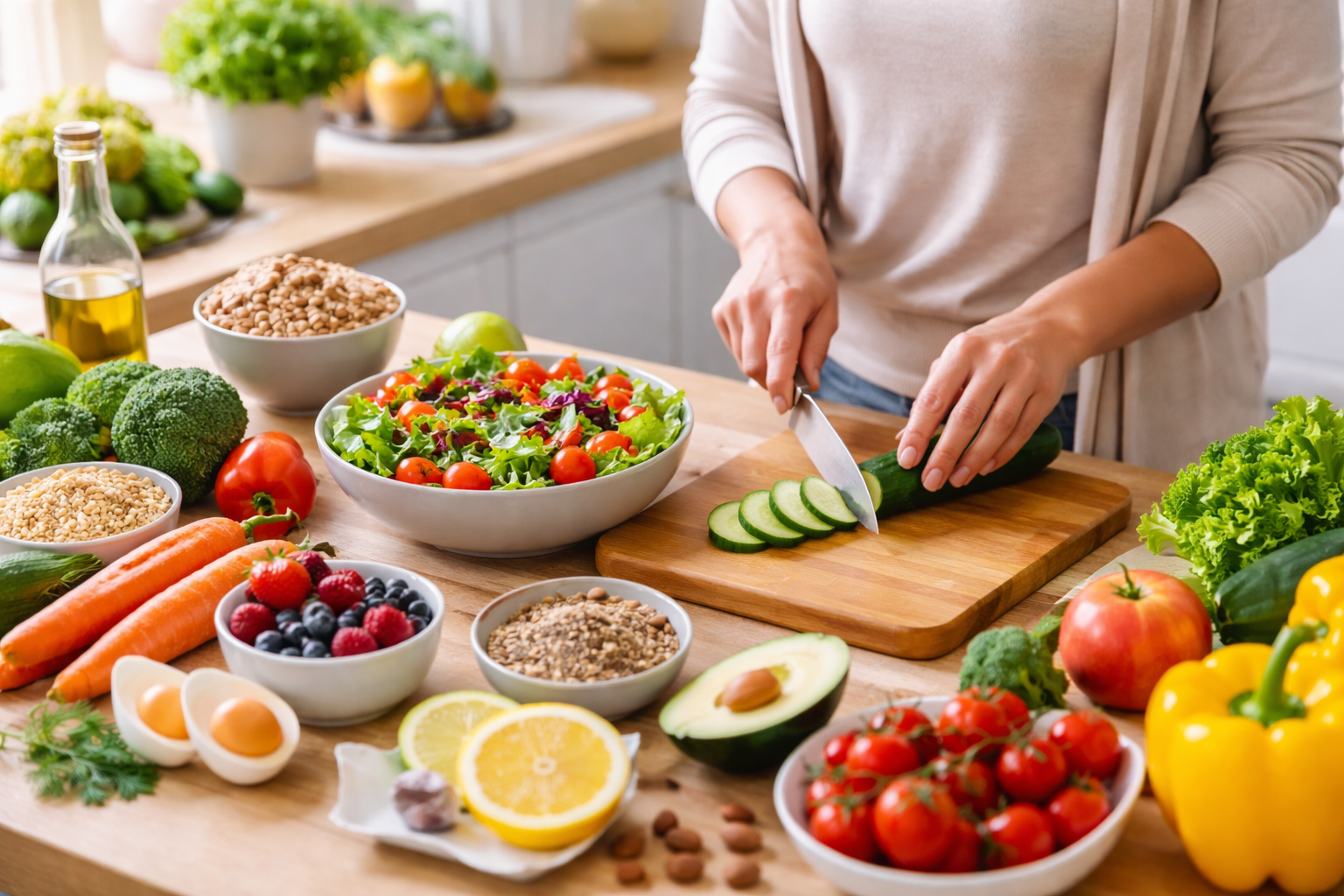

Embarking on a plant-based journey can feel both exciting and daunting. The world of vibrant vegetables, hearty grains, and nutritious legumes offers a vast landscape of culinary possibilities, yet many beginners find themselves wondering where to start. This guide aims to demystify plant-based eating, proving that embracing a more plant-centric diet doesn’t require complex recipes or obscure ingredients. Instead, it offers a pathway to satisfying and simple meals, designed to ease you into a lifestyle that benefits both your body and the planet.
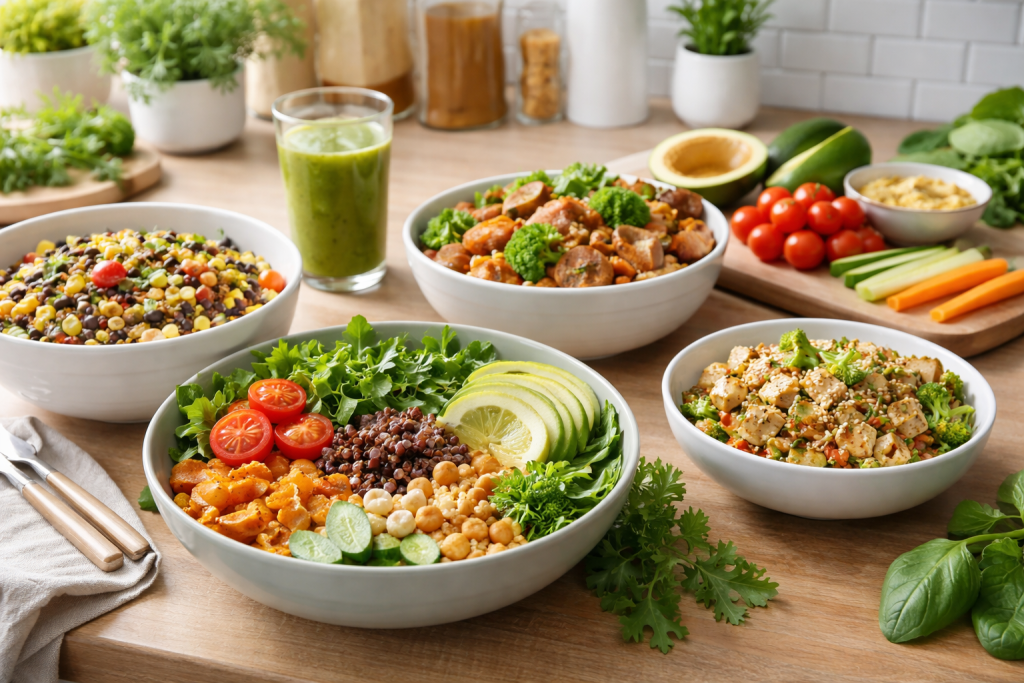
A plant-based diet emphasises foods derived from plants, including fruits, vegetables, grains, nuts, seeds, and legumes. It’s a broad term that encompasses various dietary patterns, from veganism, which strictly avoids all animal products, to flexitarianism, which incorporates occasional animal products. For beginners, the beauty of plant-based eating lies in its flexibility. There’s no single “right” way to do it; rather, it’s about gradually shifting your focus to whole, unprocessed plant foods and exploring the incredible diversity they offer. This approach doesn’t demand an overnight transformation but encourages mindful choices, allowing you to discover what works best for you and your lifestyle.
Contents
- 1 Benefits of Plant-Based Meals for Beginners
- 2 Overnight Oats with Berries and Seeds
- 3 Tofu Scramble with Spinach and Bell Peppers
- 4 Hearty Lentil Soup with Crusty Bread
- 5 Quinoa Salad with Roasted Vegetables and Chickpeas
- 6 One-Pan Roasted Mediterranean Vegetables with Tofu or Tempeh
- 7 Black Bean Burgers on Whole-Wheat Buns with Avocado
- 8 Hummus and Veggie Sticks
- 9 Apple Slices with Almond Butter
- 10 Roasted Chickpeas (Crunchy & Savory)
- 11 Start with “Meatless Mondays”
- 12 Experiment with Plant-Based Substitutes for Common Ingredients
- 13 Prepare Basic Components in Advance
- 14 Assemble Grab-and-Go Snacks
- 15 Dairy Alternatives
- 16 Egg Replacements
- 17 Meat Replacements
Benefits of Plant-Based Meals for Beginners
The advantages of adopting a more plant-centric diet are far-reaching, especially for those just starting out. Many individuals report increased energy levels, improved digestion, and better weight management when they transition to plant-based eating. Beyond individual health benefits, embracing plants contributes to a more sustainable food system, reducing your environmental footprint. From a culinary perspective, it’s an exciting exploration of new flavours, textures, and cooking techniques, expanding your palate and encouraging creativity in the kitchen. For beginners, the simplicity of plant-based ingredients often translates into less time spent on complex meal preparation and more time savouring wholesome, delicious food.
Starting your day with a nutritious plant-based meal sets a positive tone and provides sustained energy. Fortunately, plant-based breakfast options are both abundant and simple to prepare, even on the busiest mornings.
Overnight Oats with Berries and Seeds
Overnight oats are a quintessential plant-based breakfast for their convenience and versatility. Simply combine rolled oats with a plant-based milk of your choice, such as almond, soy, or oat milk, in a jar or container. Stir in a tablespoon of chia seeds for added fibre and omega-3s, and a touch of maple syrup or agave for sweetness if desired. Leave it in the refrigerator overnight, and by morning, you have a creamy, ready-to-eat breakfast. Top with a handful of fresh or frozen berries and a sprinkle of pumpkin or sunflower seeds for extra crunch and nutrients. This recipe is infinitely customisable; experiment with different fruits, nuts, and spices like cinnamon or nutmeg.
Tofu Scramble with Spinach and Bell Peppers
For those who prefer a savoury start, a tofu scramble is an excellent plant-based alternative to traditional scrambled eggs. Crumble firm or extra-firm tofu into a pan with a little olive oil. Sauté with diced bell peppers, chopped onions, and a handful of fresh spinach until the vegetables are tender. Season generously with nutritional yeast for a cheesy flavour, turmeric for colour, and a pinch of black salt (kala namak) for an egg-like aroma. Serve this flavourful scramble with a side of whole-wheat toast or avocado slices for a complete and satisfying breakfast. It’s a protein-packed option that feels hearty and comforting.
Lunch often falls victim to rushed decisions or repetitive meals. With a few simple plant-based strategies, your midday meal can become a highlight of your day – nourishing, delicious, and easy to prepare.
Hearty Lentil Soup with Crusty Bread
A warm bowl of lentil soup is a powerhouse of nutrients and incredibly satisfying. Red or green lentils cook relatively quickly and form a creamy, rich soup without the need for additional thickeners. Sauté diced carrots, celery, and onions in a large pot until softened. Add the lentils, vegetable broth, diced tomatoes, and your favourite herbs like thyme and bay leaf. Simmer until the lentils are tender, then season with salt and pepper to taste. This soup is perfect for meal prepping; make a large batch at the beginning of the week and enjoy it for several lunches. Serve with a slice of crusty whole-grain bread for dipping.
Quinoa Salad with Roasted Vegetables and Chickpeas
Quinoa salads are fantastic for beginners because they are customisable, filling, and can be made ahead of time. Cook a batch of quinoa according to package directions and let it cool. Roast your favourite vegetables – broccoli florets, sweet potato cubes, bell pepper strips, or zucchini slices – with a drizzle of olive oil, salt, and pepper until tender and slightly caramelised. In a large bowl, combine the cooled quinoa, roasted vegetables, and a can of drained and rinsed chickpeas for plant-based protein. Dress with a simple vinaigrette made from olive oil, lemon juice, Dijon mustard, and a touch of maple syrup. This salad offers a delightful mix of textures and flavours, keeping you energised throughout the afternoon.
Dinner is an opportunity to gather, unwind, and enjoy a delicious meal. Plant-based dinners can be just as exciting and hearty as any other, often requiring fewer ingredients and simpler techniques than you might expect.
One-Pan Roasted Mediterranean Vegetables with Tofu or Tempeh
One-pan meals are an ideal choice for beginners due to their minimal cleanup and straightforward preparation. Chop various Mediterranean-inspired vegetables such as zucchini, bell peppers, cherry tomatoes, red onion, and Kalamata olives. Toss them with cubed firm tofu or tempeh, a drizzle of olive oil, dried oregano, garlic powder, salt, and pepper. Spread everything on a baking sheet and roast in the oven until the vegetables are tender and slightly charred, and the tofu/tempeh is golden. This vibrant dish is packed with flavour and nutrients, offering a complete meal with minimal fuss. Serve as is, or over a bed of fluffy couscous or brown rice for a more substantial meal.
Black Bean Burgers on Whole-Wheat Buns with Avocado
Making your own plant-based burgers might sound intimidating, but black bean burgers are surprisingly easy and incredibly satisfying. Mash a can of drained and rinsed black beans with a fork, leaving some texture. Mix in finely diced onion, garlic, breadcrumbs (gluten-free if preferred), spices like cumin and chilli powder, and a binder like flax egg (1 tbsp ground flaxseed mixed with 3 tbsp water). Form into patties and pan-fry or bake until golden brown and firm. Serve on whole-wheat buns with your favourite toppings – avocado slices, lettuce, tomato, and a dollop of plant-based mayo or salsa. This classic comfort food is transformed into a nutritious and delicious plant-based option.
Snacks play a crucial role in maintaining energy levels and satisfying cravings throughout the day. Opting for plant-based snacks ensures you’re fuelling your body with wholesome nutrients.
Hummus and Veggie Sticks
This timeless combination is a plant-based snack staple for a reason. Hummus, made from chickpeas, tahini, lemon juice, and garlic, is rich in protein and fibre, promoting satiety. Pair it with a colourful array of vegetable sticks like carrots, celery, cucumber, and bell peppers for a refreshing and crunchy bite. This snack is not only incredibly nutritious but also convenient, making it perfect for on-the-go or a quick pick-me-up.
Apple Slices with Almond Butter
A simple yet incredibly satisfying snack, apple slices spread with almond butter offer a perfect balance of natural sweetness, healthy fats, and fibre. The crispness of the apple combined with the creamy richness of almond butter creates a delightful texture and flavour profile. You can also experiment with other nut butters like peanut, cashew, or sunflower seed butter for variety.
Roasted Chickpeas (Crunchy & Savory)
Roasted chickpeas are a fantastic alternative to processed snacks, providing a satisfying crunch and a boost of protein. Simply drain and rinse a can of chickpeas, pat them dry, and toss with a little olive oil and your favourite spices – think paprika, garlic powder, cumin, or a touch of cayenne for some heat. Roast in the oven until golden brown and crispy. Let them cool, and store them in an airtight container for a readily available, savoury snack.
Making a gradual shift toward plant-based eating is often more sustainable than an abrupt overhaul. Small, consistent changes can lead to significant results over time.
Start with “Meatless Mondays”
One of the most popular and effective ways to introduce more plant-based meals is by designating one day a week as “Meatless Monday”. This simple commitment encourages you to explore plant-based recipes without feeling overwhelmed. It’s a low-pressure way to experiment with new ingredients and flavours, gradually building your confidence in plant-based cooking.
Experiment with Plant-Based Substitutes for Common Ingredients
The market for plant-based alternatives has exploded, making it easier than ever to replicate the flavours and textures of traditional dishes. Explore plant-based milks (almond, soy, and oat), dairy-free yoghurts and cheeses, and meat alternatives made from tofu, tempeh, or seitan. These substitutes can help bridge the gap as you transition, allowing you to enjoy familiar meals in a new, plant-based way. For instance, swap cow’s milk for almond milk in your morning coffee, or use nutritional yeast to add a cheesy flavour to sauces and scrambles.
Especially for beginners, meal preparation is a crucial tool for successful plant-based eating. It ensures you have healthy, delicious options readily available, reducing the temptation for less nutritious choices.
Prepare Basic Components in Advance
Dedicate a couple of hours on a weekend to prepare foundational ingredients that can be used in various meals throughout the week. Cook a large batch of grains like quinoa, brown rice, or farro. Chop a variety of vegetables such as bell peppers, onions, carrots, and celery, storing them in airtight containers. Cook a batch of lentils or roast some sweet potatoes. Having these components ready to go significantly reduces cooking time during busy weekdays.
Assemble Grab-and-Go Snacks
Portion out snacks like fruit, nuts, seeds, or roasted chickpeas into individual containers or bags. This makes it incredibly easy to grab a healthy snack when hunger strikes, preventing impulsive choices and ensuring you stay on track with your plant-based goals. Create mini containers of hummus and pre-cut veggie sticks for effortless snacking.
Successfully navigating a plant-based diet often involves learning how to swap animal products for their plant-based counterparts without sacrificing flavour or texture.
Dairy Alternatives
For milk, options like almond, soy, oat, cashew, and coconut milk can be used in nearly any recipe that calls for dairy milk, from coffee to baking. Plant-based yoghurts made from soy, almond, or coconut milk are excellent for breakfast or snacks. Nutritional yeast is a fantastic substitute for cheese flavour in savoury dishes, offering a cheesy, umami taste without dairy. For butter, plant-based margarine or refined coconut oil can be used for cooking and baking.
Egg Replacements
When baking, flax eggs (1 tbsp ground flaxseed + 3 tbsp water, let sit for 5 minutes) work wonderfully as a binder. Mashed banana or unsweetened applesauce can also be used as binders and for moisture in sweet baked goods. For savoury dishes like scrambles, crumbled firm tofu seasoned with turmeric and black salt is an excellent and convincing egg substitute.
Meat Replacements
Tofu, tempeh, and seitan are versatile protein sources that can be used to mimic various meat textures. Tofu can be pressed and marinated for grilling or baking; tempeh has a firmer, nuttier texture perfect for stir-fries, and seitan, made from wheat gluten, is great for chewier textures like in “chicken” or “beef” dishes. Legumes like lentils and beans are also superb meat substitutes, offering fibre and protein for dishes like burgers, stews, or tacos.
Embracing a plant-based lifestyle is a journey of discovery, offering a bounty of delicious, nutritious, and sustainable food choices. For beginners, the key is to start simple, focus on whole foods, and gradually integrate more plant-based meals into your routine. Remember that progress, not perfection, is the goal. Experiment with new ingredients, savour the vibrant flavours, and celebrate each small step you take towards a healthier, more compassionate way of eating. With these simple meal ideas, tips, and substitutions, you’ll find that plant-based eating is not just achievable but truly satisfying and enjoyable. It’s an opportunity to nourish your body, delight your taste buds, and contribute positively to the world around you.

About LifeViora
Welcome to LifeViora—your trusted guide to balanced living and everyday wellness.
At Life Viora, we believe that a healthy and fulfilling life is built on simple, consistent habits. Founded by Maya Ali, this platform shares practical tips and easy strategies to help you improve your daily life, stay healthy, and live with balance.