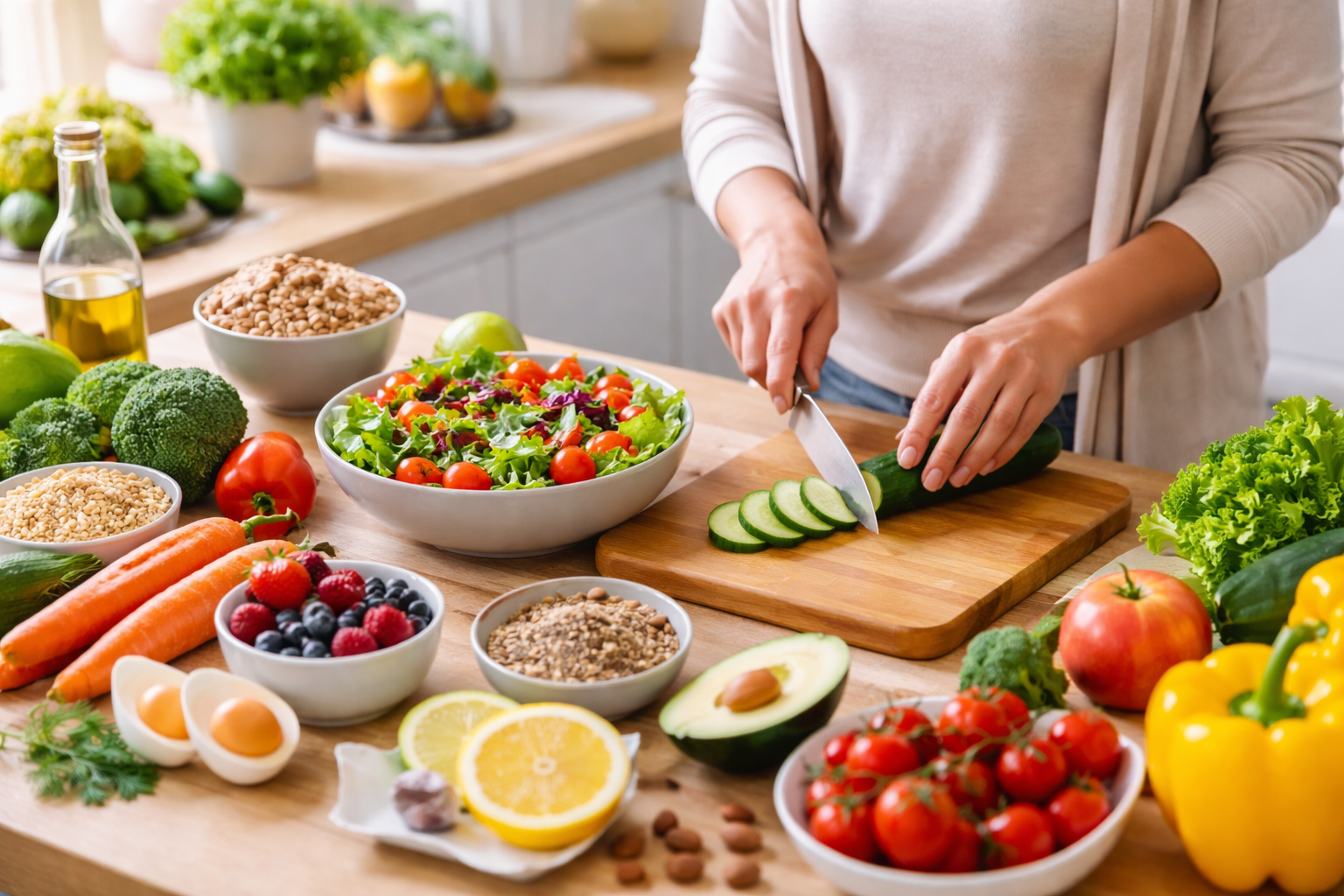

The quest for a healthier lifestyle often revolves around what we eat. Beyond the ingredients and nutritional content, how much we consume is a critical, yet frequently overlooked, aspect. This is where the art of portion control enters the picture – a nuanced approach to eating that empowers us to nourish our bodies effectively without overindulging, fostering satisfaction and long-term well-being. It’s not about deprivation but rather about mindful moderation.
Portion control, at its core, is the conscious management of the amount of food or drink we consume at each meal or snack. It differentiates itself from a “serving size”, which is a standardised measurement, often found on nutrition labels, and recommended by health organisations. A serving size is a guideline, while a portion is the actual amount we put on our plate and eat. The discrepancy between the two is a major contributor to overeating in modern society.
Why does portion control matter so profoundly? In an age of supersized meals and “all you can eat” buffets, it’s remarkably easy to consume far more calories than our bodies need. This consistent overconsumption leads to a caloric surplus, which fundamentally contributes to weight gain. Beyond weight management, proper portion control can improve digestion, stabilise blood sugar levels, and reduce the risk of chronic diseases such as type 2 diabetes and heart disease. It teaches us to listen to our bodies’ natural hunger and fullness cues, rather than relying on external factors like the size of the plate or the amount of food available.
The impact of portion distortion on our health is undeniable. Decades ago, a typical restaurant meal was significantly smaller than what is commonly served today. Our perception of what constitutes a “normal” portion has been skewed, making intentional portion control a vital skill to relearn.
The Science Behind Portion Control and Weight Management
The intricate relationship between portion control and weight management is firmly rooted in scientific principles. Our bodies operate on an energy balance equation: calories consumed versus calories expended. When we consistently consume more calories than we burn, the excess energy is stored, primarily as fat, leading to weight gain. Portion control directly addresses the “calories consumed” side of this equation.
Research has repeatedly shown that individuals who practise conscious portion control are more successful at achieving and maintaining a healthy weight. This is not solely due to calorie reduction but also because it fosters a greater awareness of food and eating habits. The brain’s satiety signals, which tell us when we’ve had enough, can be overridden by excessively large portions, encouraging us to eat beyond genuine hunger. When we eat smaller, more controlled portions, these signals have a better chance of being registered, leading to a feeling of fullness and satisfaction without overconsumption.
Furthermore, the concept of “energy density” plays a significant role. Foods with high energy density (a lot of calories in a small volume, like processed snacks or fried foods) can easily lead to overeating even in seemingly small portions. Conversely, foods with low energy density (fewer calories in a larger volume, like fruits and vegetables) allow us to eat a more substantial amount for fewer calories, contributing to greater satiety. Portion control, therefore, encourages us to prioritise nutrient-dense, lower-energy-density foods, further supporting weight management goals.
Implementing portion control doesn’t require drastic overhauls; it’s about incorporating smart strategies into our daily routines.
Portion Control at Home
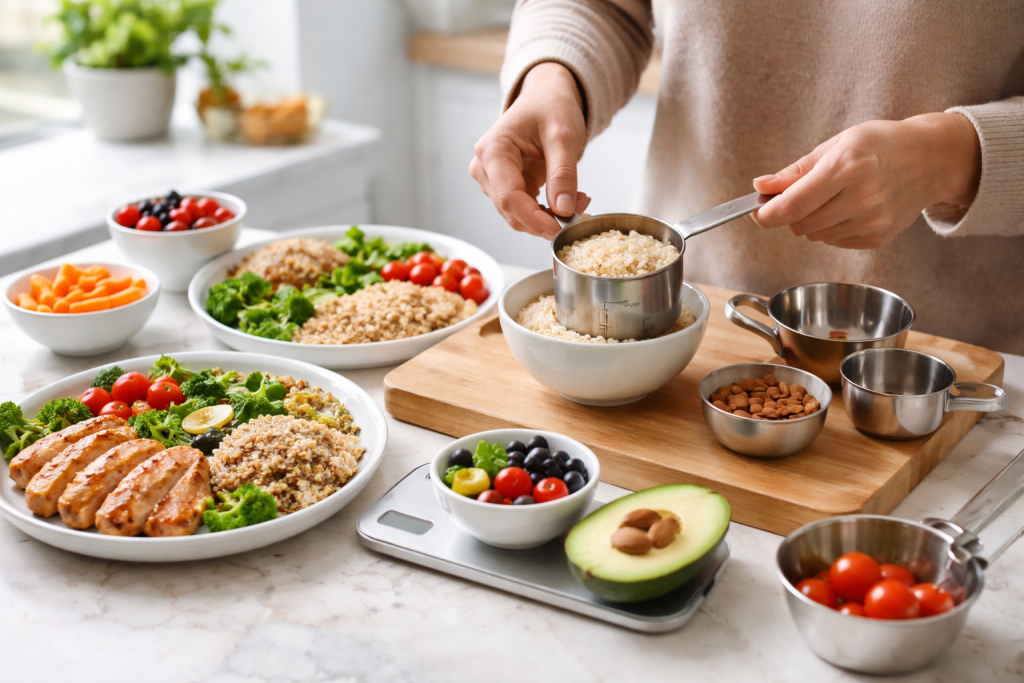
At home, we have the most control over our food environment. A great starting point is using smaller plates and bowls. This simple trick can psychologically make a portion appear larger, leading to greater satisfaction, and consciously forces us to take less food. Another effective strategy is to measure and weigh food, especially in the initial stages. While it might seem tedious, it helps calibrate our understanding of what a true serving size looks like. For instance, rather than free-pouring cereal, measure out the recommended serving.
Pre-portioning snacks into individual containers also prevents mindless grazing directly from a large bag. When cooking, intentionally portion out meals onto plates rather than leaving serving dishes on the table, which can encourage second and third helpings. Filling half your plate with non-starchy vegetables is another excellent visual cue for balancing meals and ensuring nutrient density while naturally controlling calorie intake.
Portion Control When Dining Out
Dining out presents a unique set of challenges for portion control due to typically larger restaurant portions. The key here is proactive planning and assertiveness. Before you even order, consider sharing an entrée with a dining companion or asking the server to box up half the meal before it even arrives at the table. This way, you’re not tempted to overeat simply because the food is there.
Don’t hesitate to ask for modifications. Request sauces or dressings on the side so you can control the amount. When faced with a bread basket, ask them to take it away after you’ve had one or two, or simply decline it. Prioritise appetisers that are vegetable-based, or opt for a side salad as your main course to avoid oversized entrees. Choosing grilled or baked options over fried also reduces caloric density. Remember, you are in control of what you consume, even in a restaurant setting.
Portion control is significantly enhanced when paired with mindful eating practices. Mindful eating is about paying full attention to the experience of eating – acknowledging hunger and fullness cues, savouring flavours, and recognising how food affects our body and mind.
To tune into hunger cues, pause before eating and ask yourself, “Am I truly hungry?” Assess your physical hunger level on a scale of 1 to 10. True hunger often presents as a growling stomach, low energy, or lightheadedness, not just a craving or boredom. Similarly, during the meal, periodically check in with your body. Eat slowly, put your fork down between bites, and chew thoroughly. These actions give your body time to register satiety signals, which can take about 20 minutes to reach your brain. When you start to feel comfortably full, not stuffed, that’s your cue to stop.
Distractions like screens, books, or work can override these cues, leading to mindless overeating. Try to create a calm, focused environment for meals, minimising external stimuli. Mindful eating transforms eating from a mechanical act into an intentional, enjoyable, and self-aware experience, naturally supporting effective portion control.
The goal of portion control isn’t merely to eat less; it’s to eat smarter and derive maximum nutritional value from each bite. This concept is intrinsically linked to nutrient density. Nutrient-dense foods are those that provide a high amount of vitamins, minerals, fibre, and other beneficial compounds for a relatively low number of calories.
When practising portion control, prioritising nutrient-dense foods becomes paramount. Filling your plate with a variety of colourful vegetables, lean proteins, whole grains, and healthy fats ensures that even smaller portions adequately nourish your body. For example, a small portion of a highly processed, sugary snack might provide calories but little else nutritionally, leaving you feeling unsatisfied and craving more soon after. Conversely, a controlled portion of roasted vegetables with a piece of grilled salmon offers sustained energy and essential nutrients and promotes lasting satiety.
By focusing on nutrient density, portion control transforms from a restrictive practice into an empowering strategy for optimal health. It encourages us to choose foods that truly fuel our bodies and minds, making every calorie count towards our well-being. This shift in focus ensures that we feel satisfied and energised, rather than deprived or hungry, demonstrating that quality is just as important as quantity.
Emotional eating, the act of consuming food not in response to physical hunger but to cope with emotions like stress, boredom, sadness, or anxiety, is a significant hurdle to effective portion control. Food, in these instances, becomes a temporary comfort or distraction.
Overcoming emotional eating begins with identifying the triggers. Keeping a food and mood journal can help pinpoint patterns – what emotions precede an urge to eat, and what foods are typically consumed? Once triggers are identified, developing alternative coping mechanisms is crucial. Instead of reaching for food when stressed, try deep breathing exercises, a short walk, listening to music, or calling a friend. If boredom is the culprit, engage in a hobby, read a book, or tackle a task you’ve been putting off.
It’s also important to differentiate between emotional hunger and physical hunger. Emotional hunger often comes on suddenly, craves specific comfort foods, and doesn’t subside even when full. Physical hunger, conversely, develops gradually, is satisfied by any food, and results in a feeling of fullness. Creating a buffer period – say, waiting 10-15 minutes before acting on an emotional eating urge – can provide enough time to assess true hunger and choose a non-food coping strategy. Seeking support from a therapist or nutritionist can also be immensely helpful in navigating complex emotional eating patterns.
Social gatherings, with their abundance of tempting foods and relaxed atmosphere, can easily derail portion control efforts. The key to navigating these situations successfully lies in preparation and strategic choices.
Before attending a party, eat a healthy, protein-rich snack. This prevents you from arriving famished and making impulsive choices. At the event, survey the food options before filling your plate. Identify the healthier choices – vegetables, lean proteins, and whole grains – and prioritise them. When taking food, use a smaller plate if available, and don’t feel obligated to try every dish. It’s perfectly acceptable to politely decline certain offerings or take only a small taste.
Focus on socialising rather than just eating. Engage in conversations, move around, and enjoy the company. Regarding drinks, alternate alcoholic beverages with water to stay hydrated and manage overall calorie intake. Remember, one meal or event won’t undo all your progress, but consistent overindulgence can. The goal is to enjoy the social aspect without letting food completely overshadow your health goals.
Meal planning is a powerful tool for consistent portion control. By strategically planning meals and snacks in advance, you eliminate guesswork and reduce the likelihood of impulsive, unhealthy choices.
Start by outlining your meals for the week, considering all food groups. Aim for balanced plates: about half should be non-starchy vegetables, a quarter lean protein, and a quarter whole grains or starchy vegetables. When preparing food, consider cooking in bulk. For example, roast a large batch of vegetables or cook a significant portion of chicken breast. Then, divide these into individual, pre-portioned containers for easy grab-and-go meals throughout the week.
This approach not only ensures appropriate portion sizes but also saves time and reduces stress during busy weekdays. Having healthy, portion-controlled meals readily available makes it much easier to resist the temptation of takeout or highly processed foods. Meal planning provides a framework for consistent healthy eating, making portion control a seamless part of your lifestyle.
Life in motion often leads to reliance on convenient, but often oversized and unhealthy, snacks. Mastering portion control for on-the-go eating is crucial to maintaining a healthy eating pattern.
The cornerstone of smart snacking is preparation. Always keep a supply of pre-portioned, healthy snacks readily available. Think small containers of nuts (a small handful), pre-cut vegetables with hummus, a piece of fruit, Greek yoghurt, or whole-grain crackers with a slice of cheese. Avoid buying large bags of chips or candy bars, as these are difficult to control once opened.
When faced with vending machines or convenience stores, make educated choices. Look for single-serving packages of healthier options. If you know you’ll be out for an extended period, pack a mini-cooler with a full, portion-controlled meal to avoid succumbing to unhealthy fast-food options. Smart snacking on the go is about anticipating hunger and proactively providing healthy, measured options, preventing reactive unhealthy choices.
Ultimately, the art of portion control isn’t a temporary diet; it’s a fundamental shift in how we approach food, designed to foster long-term health and well-being. It’s about building sustainable habits that can be maintained for a lifetime.
This sustainability comes from its focus on balance and moderation rather than extreme restriction. By consistently practising mindful eating, tuning into our body’s cues, and making conscious choices about serving sizes, we gradually retrain our brains and bodies. This leads to a natural adjustment in our perception of appropriate portions, making it less of a conscious effort and more of an ingrained habit.
The long-term benefits extend far beyond weight management. Consistent portion control, in conjunction with nutrient-dense food choices, supports sustained energy levels, improved cardiovascular health, better blood sugar regulation, and a reduced risk of various chronic diseases. It also cultivates a healthier relationship with food – one built on respect for our bodies and an understanding of genuine nourishment, rather than emotional dependence or external pressures. By embracing portion control, we invest in a healthier, more vibrant future, one mindful bite at a time.

About LifeViora
Welcome to LifeViora—your trusted guide to balanced living and everyday wellness.
At Life Viora, we believe that a healthy and fulfilling life is built on simple, consistent habits. Founded by Maya Ali, this platform shares practical tips and easy strategies to help you improve your daily life, stay healthy, and live with balance.